Early Pay Apps: Access Cash Before Payday
Discover how early paycheck access apps provide quick cash relief while navigating fees, risks, and smarter financial alternatives for everyday needs.

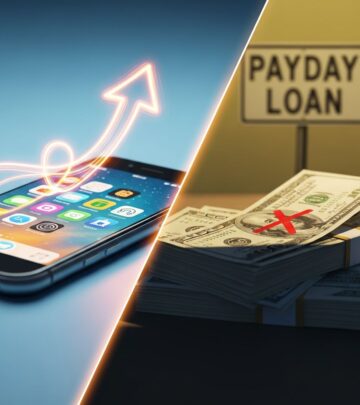
Early pay apps, also known as earned wage access services, allow workers to receive a portion of their upcoming earnings ahead of schedule. These digital tools connect to bank accounts and payroll systems to advance funds based on verified income, offering a modern alternative to traditional short-term borrowing.
How Early Pay Apps Deliver Funds Quickly
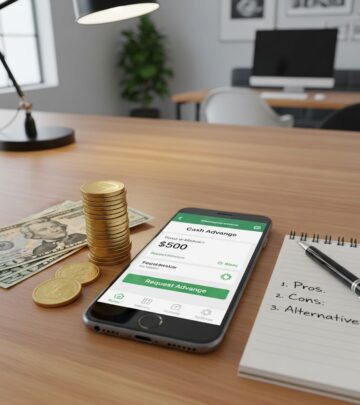
Users typically link their checking account and employment details to the app, which analyzes transaction history and direct deposit patterns to determine eligibility. Once approved, individuals can request advances ranging from $50 to $500, depending on the provider and user’s pay frequency. Funds arrive via standard bank transfer in 1-2 days or instantly for an extra charge.
Repayment occurs automatically on the next payday, either by debiting the bank account or deducting from the paycheck directly. This structure relies on steady income streams, making it less suitable for irregular earners like freelancers. Average advances hover around $120 per transaction, providing targeted relief for immediate expenses.
Key Advantages of Using Early Pay Services
- Low or No Mandatory Fees: Many apps operate on voluntary tips, subscriptions starting at $1-10 monthly, or employer-sponsored models with zero cost to employees.
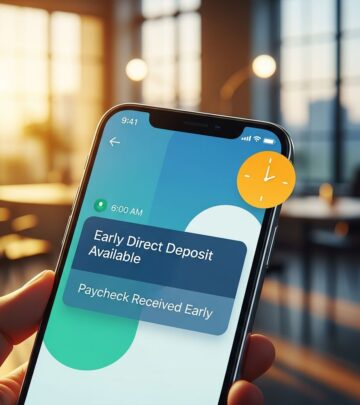
- Speedy Access: Instant transfers bypass the wait for payday, helping cover unexpected bills without high-interest credit.
- Guardrails for Safety: Limits on advance amounts and frequency prevent over-borrowing, with 97% repayment success rates reported in industry studies.
- Overdraft Avoidance: By front-loading pay, users sidestep bank overdraft charges averaging $34 per incident.
Employer-funded versions stand out as particularly user-friendly, eliminating third-party fees and integrating seamlessly with payroll.
Common Costs and Charges to Watch For
While marketed as fee-free, expenses can accumulate through various channels. Here’s a breakdown:
| Fee Type | Typical Range | Description |
|---|---|---|
| Subscription | $1-$10/month | Ongoing access to advances and extras like budgeting tools. |
| Per-Use/Express | $1-$10 | Charged for each advance or faster delivery. |
| Tips | 0%-10% voluntary | Optional but often prompted, effectively acting as a fee. |
| Membership | $5-$15/month | Required for premium features or higher limits. |
Frequent use can lead to effective costs rivaling payday loans, especially with repeated tips or express fees.
Major Risks and Pitfalls of Frequent Reliance
Despite conveniences, these apps pose significant hazards. Chronic borrowing patterns emerge where users advance funds repeatedly, borrowing from future pay to cover current shortfalls. This cycle reduces net income over time, hindering budgeting and savings growth.
- Overdraft Traps: Repayment debits during low-balance periods trigger bank fees, exacerbated by algorithm errors around holidays.
- Debt Dependency: Short repayment windows leave little recovery time, with some users borrowing multiple times monthly.
- No Credit Building: Transactions rarely report to credit bureaus, offering no positive impact on scores.
- Workforce Impacts: Employee stress from fees and cycles leads to absenteeism and turnover, costing employers in productivity.
Data collection is another concern, as apps track spending, location, and income patterns, potentially sharing with third parties.
Who Benefits Most and Who Should Avoid Them
These services suit occasional users facing genuine emergencies, like car repairs or medical bills, with predictable paychecks. Low-wage workers gain from avoiding predatory lenders, but those living paycheck-to-paycheck risk deepening instability.
Gig economy participants often face ineligibility due to inconsistent deposits. Experts recommend them only as a bridge, not a lifestyle, emphasizing the need for underlying financial health improvements.
Comparing Popular Early Pay App Features
| App Example | Max Advance | Fees | Transfer Speed | Unique Perk |
|---|---|---|---|---|
| General Provider A | $500 | Tip-based | Instant (fee) | Location verification |
| General Provider B | $750 | Subscription | 1-2 days free | Budgeting tools |
| Employer-Sponsored | Varies | None | Next day | No user cost |
Steps to Use Early Pay Apps Responsibly
- Verify eligibility with consistent direct deposits and positive bank history.
- Opt for standard transfers to skip express fees.
- Set personal limits on advance frequency and size.
- Track usage to prevent habitual borrowing.
- Build an emergency fund to reduce future needs.
Review app permissions and privacy policies before linking accounts.
Alternatives to Early Pay Apps for Cash Flow
- Employer Advances: Direct requests often fee-free via HR.
- Credit Union Loans: Lower rates with flexible terms.
- Side Gigs: Platforms for quick, one-off earnings.
- Budgeting Apps: Track and cut expenses preemptively.
- Community Aid: Non-profits for emergency grants.
Regulatory Landscape and Future Outlook
Calls grow for transparency in fee disclosures and credit law applications to these products. Studies highlight the need to protect paychecks from erosion by tips and subscriptions. As adoption rises, employer-sponsored models may dominate, minimizing consumer risks.
Frequently Asked Questions
Do early pay apps affect my credit score?
No, most do not report activity to credit agencies, so they neither help nor directly harm scores.
Are there truly free options?
Yes, tip-optional or employer-paid versions exist, but watch for indirect costs like mandatory memberships.
Can gig workers use them?
Limited; they favor steady payroll deposits over variable income.
What if repayment causes an overdraft?
Users bear bank fees; choose apps with balance-aware algorithms.
How do they make money without interest?
Via subscriptions, tips, express fees, and data insights sales.
References
- The Benefits and Dangers of Paycheck Advance Apps — Consumer Reports. 2023-10-01. https://www.consumerreports.org/hidden-costs/paycheck-advance-apps-benefits-and-dangers-a6358016504/
- Paycheck Advance Apps: Is There a Catch? — BankFive. 2022-12-01. https://www.bankfive.com/blogs/december-2022/paycheck-advance-apps-is-there-a-catch
- Pros and Cons of Using Cash Advance Apps — JG Wentworth. 2024-01-15. https://www.jgwentworth.com/resources/mp-pros-and-cons-cash-advance-apps
- 2026 Guide to Avoiding Hidden Dangers of Cash Advance Apps — MoneyLion. 2026-01-01. https://www.moneylion.com/learn/avoid-hidden-dangers-of-cash-advance-apps
- Payday Loan Apps — Center for Responsible Lending. 2023-05-20. https://www.responsiblelending.org/research-publication/payday-loan-apps
- What To Know About Lending Apps — Office of Financial Readiness (finred.usalearning.gov). 2025-02-10. https://finred.usalearning.gov/Money/LendingApps
Similar Articles








Read full bio of Sneha Tete