Duplicate Checks: Guide To Benefits, Risks, And Alternatives
Master duplicate checks: Learn how they work, their benefits, drawbacks, and whether they're right for you.
Understanding Duplicate Checks
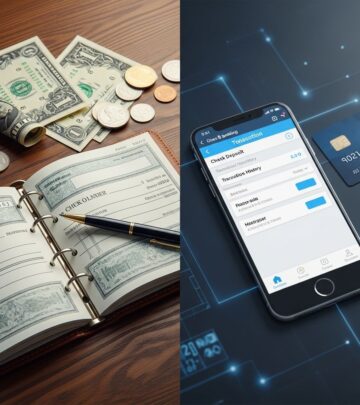
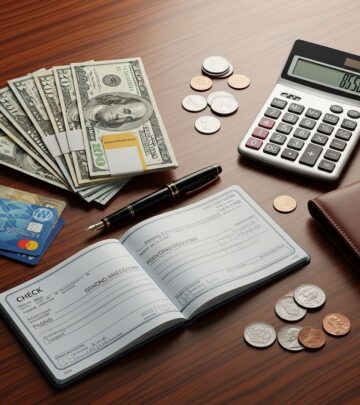
Duplicate checks are a specialized form of checkbook designed to simplify record-keeping for individuals and businesses that regularly write checks. These checks work by creating an automatic carbon copy of every check you write, providing an instant physical record of your payment without requiring manual entry into a check register. Understanding how duplicate checks function and evaluating whether they meet your financial needs can help you make informed decisions about your banking practices.
What Are Duplicate Checks?
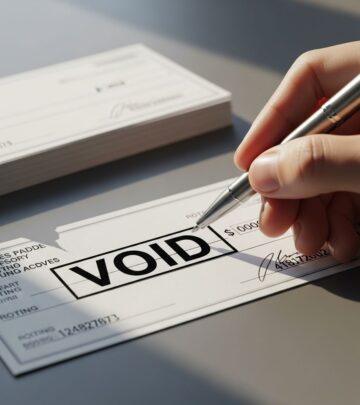
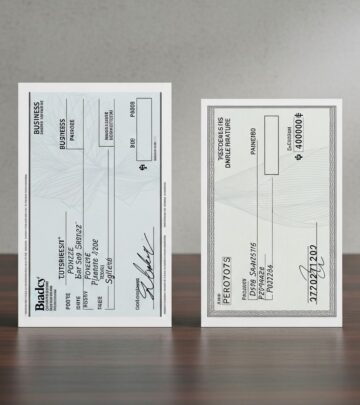
A duplicate check is an exact copy of a standard check, created through a carbonless or carbon paper system built into the checkbook design. The duplicate checkbook typically comes as a double-pad system, where each original check has a thin sheet of carbon or carbonless paper attached directly beneath it. When you write on the original check using a pen or pencil, the pressure from your writing transfers through the top sheet onto the duplicate copy positioned underneath.
Both the original check and the duplicate copy contain identical information, including the check number, date written, payee name, amount, and your signature. However, there is one critical distinction: the duplicate remains in your checkbook as a permanent record, while the original check is given to or mailed to the payee. This automatic record-keeping system eliminates the need to manually write down transaction details in a separate check register.
How Duplicate Checks Work
The mechanics of duplicate checks are straightforward and require no special training or additional steps beyond regular check writing. Here’s the process:
The Carbon Transfer System: Each page in a duplicate checkbook contains a thin layer of carbon or carbonless paper positioned between the original check and the duplicate sheet. When you fill out the original check by writing the payee name, amount, date, and your signature, the pressure from your pen automatically transfers this information onto the duplicate sheet beneath.
Automatic Record Creation: Unlike traditional checkbooks where you must manually record each transaction, duplicate checks create this record automatically. As soon as you finish writing the check, the duplicate is complete and ready for your files. You don’t need to write the information twice or maintain a separate ledger.
Organization and Storage: The duplicate copy remains bound in your checkbook, creating a sequential record of all checks you’ve written. Since each duplicate has the same check number as its corresponding original, matching transactions to specific checks becomes effortless when reconciling your bank statement.
Are Duplicate Checks Legal?
Yes, duplicate checks are completely legal and recognized by banks and credit unions as a legitimate convenience feature. The duplicate itself cannot be deposited, cashed, or used as an official form of payment—it serves exclusively as a record for your personal files. Banks understand that duplicates are copies intended solely for the account holder’s record-keeping purposes, not as negotiable instruments that could be used to withdraw funds.
The legal distinction is important: only the original check is a negotiable instrument that can clear through your bank account. The duplicate copy has no banking authority and cannot be processed for payment under any circumstances. However, legal problems may arise if someone steals your checkbook and attempts to use either the original or duplicate check to commit fraud or unauthorized transactions.
Key Benefits of Duplicate Checks
Duplicate checks offer several meaningful advantages for individuals and businesses who prioritize organized financial record-keeping:
Automatic Record-Keeping: The most significant benefit is the elimination of manual record-keeping tasks. You no longer need to write down check details separately in a register or rely solely on online banking to track your transactions. This automatic documentation can be especially valuable if you frequently write checks and prefer having a physical backup to digital records.
Simplified Reconciliation: Reconciling your bank statement becomes considerably easier when you have exact copies of every check you’ve written. You can quickly verify that check amounts match your bank statement and identify any discrepancies or unauthorized transactions by comparing your duplicates with bank records.
Enhanced Fraud Detection: Check copies serve as useful tools for detecting and investigating potential fraud or discrepancies. If an unauthorized person attempts to alter a check or create a fraudulent duplicate, you have a legitimate copy showing what you actually wrote. This makes it easier to dispute fraudulent transactions and work with your bank to resolve issues.
Safety and Security: Duplicate checks are safer than carrying large amounts of cash. If your checkbook is lost or stolen, you can contact your bank to stop payment on checks that haven’t yet cleared, preventing unauthorized withdrawals. The physical paper trail also provides evidence of legitimate transactions for dispute resolution.
Budget Tracking and Tax Purposes: The built-in paper trail helps with budgeting, tracking tax-deductible expenses, and maintaining organized financial records for business purposes. Having copies of checks paid for deductible expenses simplifies tax preparation and provides documentation if the IRS requests verification.
Disadvantages and Limitations
Despite their benefits, duplicate checks also have several drawbacks worth considering:
Higher Cost: Duplicate checks typically cost more than standard single-copy checkbooks. The additional carbon paper and double-pad printing increase production costs, which banks pass on to customers. Over time, these higher costs can add up, especially for businesses that write hundreds of checks annually.
Privacy Concerns: Physical copies of your checks contain sensitive financial information including your account number, routing number, and signature. If your checkbook is lost or stolen, this sensitive data could potentially be misused. Additionally, maintaining physical copies requires secure storage to prevent unauthorized access.
Declining Check Usage: Check usage has declined significantly as digital payment methods have become more prevalent. Many financial institutions and businesses no longer accept checks for payments, making duplicate checks less relevant for modern financial transactions. Younger generations particularly prefer digital payment methods over paper checks.
Storage and Organization: Maintaining and organizing physical check copies requires space and effort. Unlike digital records that can be easily searched and filed electronically, physical duplicates require physical storage and manual sorting.
Duplicate Checks vs. Standard Checks: Comparison
Understanding the differences between duplicate and standard checks helps you decide which option best suits your needs:
| Feature | Duplicate Checks | Standard Checks |
|---|---|---|
| Automatic Copy | Yes – carbon copy included | No – requires manual recording |
| Record-Keeping | Built-in with each check | Relies on check register or online banking |
| Cost | Higher per checkbook | Lower per checkbook |
| Convenience | Minimal effort required | Manual effort needed for records |
| Best For | Frequent check writers and businesses | Occasional check users |
Modern Alternatives to Duplicate Checks
Several contemporary payment and record-keeping methods can provide similar or superior benefits compared to duplicate checks:
Online Banking: Most banks offer comprehensive online account access where you can view all transactions, including cleared checks, in real-time. This digital record-keeping eliminates the need for physical copies.
Digital Payment Applications: Services like PayPal, Venmo, Zelle, Cash App, Apple Pay, and Google Pay allow you to send money instantly without writing a check, with automatic digital records of every transaction.
Debit or Credit Cards: Transactions made with debit or credit cards appear instantly in your account statements and can be tracked electronically. Most modern cards offer transaction categorization and budgeting tools.
Personal Finance Software: Applications such as Mint, YNAB (You Need A Budget), Quicken, Rocket Money, Personal Capital, and Monarch Money automatically track all spending and provide detailed financial records without requiring physical documentation.
Check Registers: Traditional check registers remain a simple, low-cost alternative for those who prefer written records without the added cost of duplicate checks.
Who Should Use Duplicate Checks?
Duplicate checks work best for specific categories of users:
Business Owners: Companies that regularly write checks for vendor payments, employee reimbursements, or customer refunds benefit significantly from the automatic record-keeping that duplicate checks provide.
Frequent Check Writers: Individuals who write multiple checks monthly for various purposes find duplicate checks convenient for maintaining organized records without additional effort.
Detail-Oriented Individuals: People who prefer physical documentation and like maintaining meticulous records appreciate having a paper trail for all financial transactions.
Those Without Regular Online Banking Access: Individuals who don’t consistently check their accounts online may find duplicate checks valuable for tracking transactions.
Security Considerations for Duplicate Checks
While duplicate checks offer organizational benefits, security remains an important consideration. Your checkbook contains sensitive information including your account number, routing number, and signature. If lost or stolen, this information could potentially be misused. To protect your duplicate checks:
Store your checkbook in a secure location, separate from your wallet. Monitor your bank statements regularly for unauthorized transactions. Contact your bank immediately if your checkbook is lost or stolen so they can stop payment on uncleared checks. Consider whether the information contained in your checks justifies the security risks for your particular situation.
Frequently Asked Questions
Q: Can you cash a duplicate check?
A: No, you cannot cash a duplicate check. The duplicate is solely a record copy for your files. Only the original check can be cashed or deposited. The duplicate cannot be processed by any financial institution.
Q: What’s the difference between a duplicate check and the original?
A: Both contain identical information including check number, date, payee, and amount. However, the original check is a negotiable instrument that can be cashed, while the duplicate is a non-negotiable copy meant exclusively for your records.
Q: Are duplicate checks worth the extra cost?
A: This depends on your check-writing frequency and personal preference. If you write many checks and want organized records without manual entry, the extra cost may be justified. For occasional check writers or those using digital payments, standard checks or alternatives may be more economical.
Q: How do I get duplicate checks from my bank?
A: Contact your bank directly. Most banks and credit unions offer duplicate check options when ordering new checkbooks. You can typically request them through online banking, by phone, or in person at a branch. Online check printers also provide duplicate check options.
Q: Should I use duplicate checks for business purposes?
A: Duplicate checks can be valuable for businesses that frequently write checks and need detailed records for accounting and tax purposes. They provide automatic documentation that simplifies reconciliation and audit trails.
Q: What should I do if my duplicate checkbook is lost?
A: Contact your bank immediately to stop payment on any uncleared checks and order a replacement checkbook. Review your account statements carefully for any unauthorized transactions.
Q: Are there privacy risks with duplicate checks?
A: Yes, duplicate checks contain sensitive financial information including your account and routing numbers. Secure storage is important to prevent unauthorized access to this information.
Making Your Decision
Duplicate checks represent a practical solution for individuals and businesses that prioritize organized record-keeping and write checks frequently. The automatic carbon copy feature eliminates manual data entry and creates an organized paper trail of all transactions. However, the higher cost compared to standard checks, combined with the availability of modern digital alternatives, means duplicate checks aren’t ideal for everyone.
Consider your specific circumstances: how often you write checks, your preference for physical versus digital records, your budget constraints, and your comfort level with modern payment applications. If you write numerous checks regularly and prefer having physical documentation, duplicate checks may justify their additional cost. Conversely, if you write checks infrequently or prefer digital solutions, standard checks or alternative payment methods might better suit your needs.
Ultimately, the choice between duplicate and standard checks depends on balancing the convenience of automatic record-keeping against the higher cost and the availability of digital alternatives that may serve your financial tracking needs equally well.
References
- Duplicate Check Fraud — Alogent. Accessed 2025. https://www.alogent.com/banking-definitions/duplicate-check-fraud
- What Are Duplicate Checks? — PNC Insights. 2025. https://www.pnc.com/insights/personal-finance/spend/what-are-duplicate-checks.html
- What Is a Duplicate Check? — Simple Fast Loans. 2025. https://simplefastloans.com/blog/what-is-a-duplicate-check/
- Guide to Duplicate Checks — SoFi. 2025. https://www.sofi.com/learn/content/what-is-a-duplicate-check/
- Check Fraud / Counterfeit Checks — Georgia Department of Banking and Finance. 2025. https://dbf.georgia.gov/check-fraud-counterfeit-checks
Similar Articles








Read full bio of medha deb