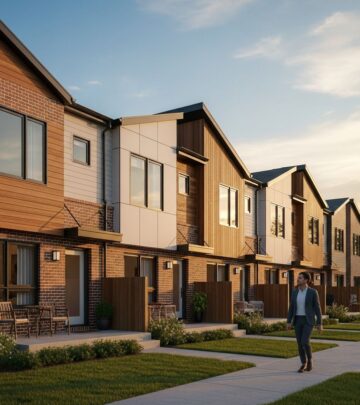
Duplex Homes: 4 Common Configurations And Buyer Benefits
Discover the essentials of duplex properties, from definitions and designs to investment potential and buying tips for smart homeowners.
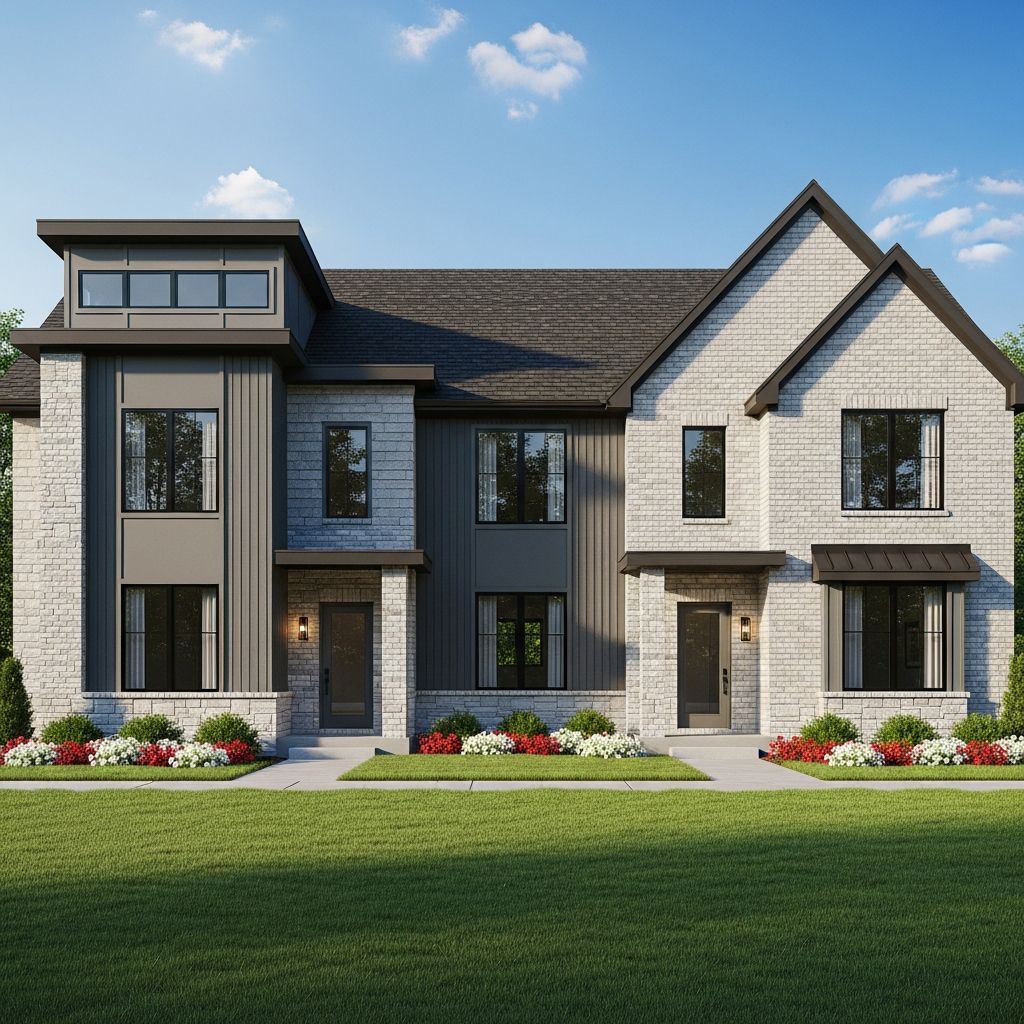
Duplex homes represent a versatile option in residential real estate, combining the comforts of single-family living with the income potential of multi-unit properties. These structures feature two distinct living units within one building, allowing owners to reside in one while renting the other or leasing both for profit.
Defining Duplex Properties
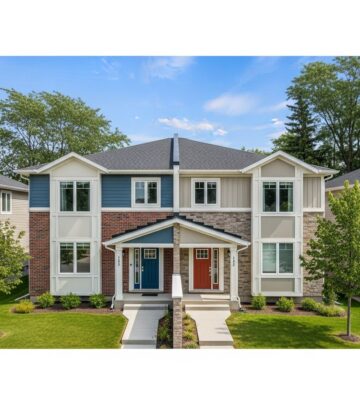
A duplex is fundamentally a building divided into two separate residences, either positioned side by side or one atop the other. Each unit includes its own entrance, kitchen, bathroom, and living areas, promoting independence for occupants. Unlike larger apartment complexes, duplexes maintain a house-like appearance and are typically situated on a single lot with shared outdoor spaces such as yards or driveways.
Key identifiers include separate utility meters for each unit, compliance with local zoning for multi-family use, and adherence to building codes ensuring safety and privacy. This setup distinguishes duplexes from single-family homes, where only one household resides.
Variations in Duplex Configurations
Duplex designs adapt to diverse needs and land constraints. Common configurations include:
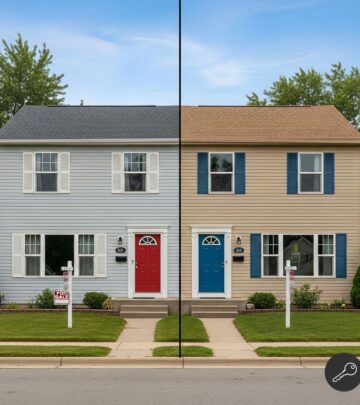
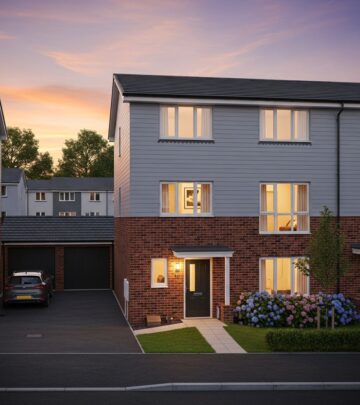
- Side-by-Side Layouts: Units align horizontally, sharing a single wall. This format suits wider lots and provides symmetrical facades with individual garages or parking spots.
- Stacked Arrangements: One unit occupies the ground floor, the other the upper level, connected by a shared floor/ceiling. Ideal for narrower parcels, these often feature rear yards.
- Front-to-Back Models: Units face opposite directions, with the front offering street access and the back providing seclusion. This maximizes privacy on elongated lots.
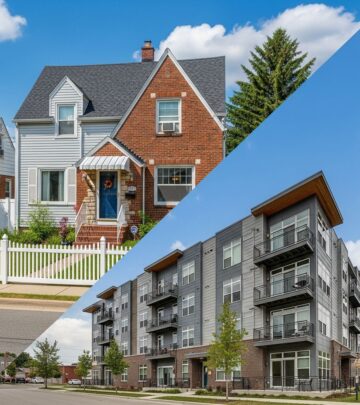
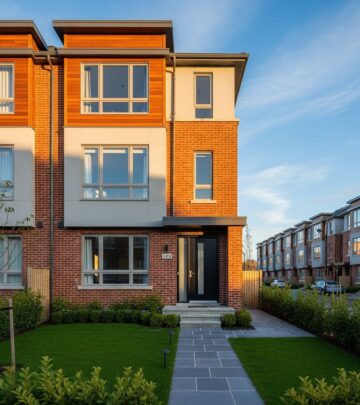
- Low-Rise or Modern Variants: Compact builds emphasizing balconies, open interiors, and efficient space use for urban settings.
Modern duplexes incorporate mirrored floor plans for balance, with each unit typically spanning 1,000 to 1,500 square feet, including 2-4 bedrooms and 1-2 bathrooms.
Standout Features and Amenities
Contemporary duplexes prioritize functionality and appeal. Essential elements often encompass:
- Open-concept kitchens with islands seating 3-4 people.
- Large windows flooding spaces with natural light.
- Soundproofing and fire-rated separations between units.
- Energy-efficient insulation via shared walls, reducing utility costs.
- Dedicated garages or carports, sometimes centrally placed to buffer noise.
Outdoor perks like shared patios or private gardens enhance livability, blending community with autonomy.
Advantages of Owning a Duplex
Duplex ownership appeals to first-time buyers, families, and investors due to multifaceted benefits.
| Benefit | Description |
|---|---|
| Income Generation | Rent one unit to offset mortgage payments, creating passive revenue. |
| Affordability | Lower entry cost than two separate homes; shared maintenance cuts expenses. |
| Family Accommodation | Housing for multigenerational setups, like aging parents or grown children. |
| Equity Growth | Appreciation in a single property with dual income streams. |
| Efficiency | Improved insulation lowers energy bills; easier oversight of one building. |
Tax deductions on mortgage interest, property taxes, and depreciation further sweeten the deal for landlords.
Potential Drawbacks to Consider
Despite attractions, duplexes present challenges:
- Landlord Duties: Managing tenants involves screening, repairs, and legal compliance.
- Higher Upkeep: Double the wear on systems like roofing or plumbing.
- Zoning Limits: Not all areas permit multi-family dwellings.
- Privacy Issues: Proximity demands good neighbor relations and insulation.
- Financing Hurdles: Lenders scrutinize rental income viability.
Comparing Duplexes to Similar Properties
Duplexes occupy a niche amid other housing types. Here’s a breakdown:
| Property Type | Shared Walls | Ownership | Land | Amenities |
|---|---|---|---|---|
| Duplex | One wall (side-by-side) or floor/ceiling (stacked) | Single owner for both units | Single lot | Private yards, garages |
| Condo | Multiple (above, below, sides) | Individual units; HOA-managed building | HOA-owned | Shared pools/clubs |
| Townhome | Sides only | Individual; owner handles exterior | Separate lots often | Yards, no units above |
| Twin Home | One wall | Separate owners/lots; line through wall | Adjacent lots | Individual yards |
Duplexes outshine condos in privacy and control but demand more hands-on management than rentals.
Financing Your Duplex Purchase
Securing a mortgage for a duplex mirrors single-family processes but with investment overlays. Lenders like Fannie Mae back loans up to four units, evaluating 75% of projected rental income alongside borrower salary. Expect 15-25% down payments, higher than owner-occupied singles. FHA loans suit owner-occupants with 3.5% down, provided one unit is primary residence.
Pre-approval strengthens offers; calculate cash flow by subtracting expenses (taxes, insurance, vacancies) from rents. Tools like cap rates (net income/property value) gauge profitability.
Steps to Acquire a Duplex
- Research Markets: Target landlord-friendly areas with strong rental demand.
- Inspect Thoroughly: Check for separate meters, code compliance, roof condition.
- Project Finances: Use 50% rent rule (rent covers half mortgage).
- Consult Experts: Engage realtors, lenders, attorneys versed in multi-family deals.
- Secure Tenants: Screen via credit, references post-purchase.
Real Estate Investment Potential
Duplexes excel for wealth-building, offering forced appreciation via improvements and leverage through mortgages. In growing markets, dual rents accelerate payoff. Long-term, convert to full owner-use or sell at premium. Risks like vacancies or repairs necessitate 6-month reserves.
FAQs
Can I live in one unit and rent the other?
Yes, this ‘house hacking’ strategy qualifies for favorable financing and builds equity.
Are duplexes more expensive to insure?
Typically yes, due to multi-unit risks, but shop policies covering rentals.
How many bedrooms per unit?
Commonly 2-3, accommodating small families or roommates.
Do duplexes appreciate faster?
Often, thanks to income appeal and scarcity in certain zones.
What’s the difference from a triplex?
Triplexes have three units, amplifying income but costs.
References
- What Is a Duplex? Should You Consider Owning One? — SoFi. 2023. https://www.sofi.com/learn/content/what-is-a-duplex/
- Understanding What Is a Duplex: Multi-Unit Housing Guide — Derek Leippi. 2023. https://www.derekleippi.com/blog/87651/understanding-what-is-a-duplex-multi-unit-housing-guide
- What is a Duplex House? Definition, Benefits, and Floor Plan Ideas — RoomSketcher. 2023. https://www.roomsketcher.com/blog/what-is-a-duplex-house/
- What Is a Duplex House: All Explained — Ashok Nandavanam. 2023. https://www.ashoknandavanam.com/blog/what-is-a-duplex-house-all-explained
- What Is A Duplex? — Bankrate. 2025-02-01. https://www.bankrate.com/real-estate/what-is-a-duplex/
Similar Articles








Read full bio of Sneha Tete