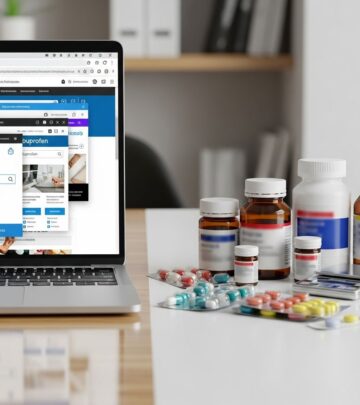
Drug Formularies: Your Guide to Affordable Prescriptions
Learn how drug formularies help reduce prescription costs and find affordable medication options.

Prescription medication costs can be one of the largest expenses in your healthcare budget, but understanding how drug formularies work can help you significantly reduce what you pay. A drug formulary is a carefully managed list of prescription medications that your health insurance plan covers, and knowing how to navigate it effectively can save you hundreds or even thousands of dollars each year.
What Is a Drug Formulary?
A drug formulary is a continually updated list of covered prescription medications that health insurance plans and pharmacy benefit managers (PBMs) develop to balance clinical effectiveness with financial considerations. Essentially, it’s the health plan’s approved list of drugs—both generic and brand-name medications—that your insurance will help pay for when prescribed by your doctor.
The formulary process involves a multidisciplinary Pharmacy and Therapeutics (P&T) committee made up of physicians, pharmacists, and other healthcare professionals. This committee is responsible for developing, reviewing, and updating the formulary list to ensure it reflects the most current clinical guidelines, FDA-approved prescribing protocols, published literature, and the latest clinical trial results. This evidence-based approach ensures that the medications covered are both safe and effective.
The power of a formulary lies in its ability to influence your prescription choices. When a drug is listed “on formulary,” your insurance covers it entirely or partially. When a medication is “off formulary,” you typically must pay the full cost out of pocket, unless you request a formulary exception. This structure gives health plans significant control over managing prescription drug costs while ensuring patients have access to safe, effective treatments.
How Do Drug Formularies Help Control Costs?
Health insurance companies use formularies as a powerful cost-management tool. By directing patients toward lower-cost medications that are clinically equivalent to more expensive alternatives, insurers can significantly reduce overall drug spending. This approach benefits both the insurance company and patients, as lower costs often translate to more affordable premiums and out-of-pocket expenses for enrollees.
Formularies help control costs through several mechanisms:
- Negotiating purchasing power: PBMs aggregate the purchasing power of millions of patients, allowing them to negotiate lower drug prices with pharmaceutical manufacturers and pharmacies.
- Promoting generic medications: By preferring lower-cost generic drugs over brand-name equivalents, formularies significantly reduce medication expenses.
- Prior authorization requirements: Many plans require doctors to obtain approval before prescribing certain expensive medications, ensuring they’re medically necessary.
- Step therapy policies: These require patients to try lower-cost, lower-tier drugs before moving to more expensive alternatives.
- Drug benefit caps: Some plans limit coverage or impose spending caps to control costs.
Ultimately, formularies help reduce healthcare spending because they promote the use of cost-effective and safe medications while limiting the use of overpriced or clinically unnecessary drugs. These lower drug costs can also improve medication adherence, which improves health outcomes and can reduce hospitalizations.
Understanding Drug Formulary Tiers
One of the most important concepts to understand about formularies is their tiering system. Formulary tiers are value-based classifications that determine the level of coverage your health plan will provide. The tier your medication is placed in directly affects how much you’ll pay out of pocket when filling a prescription.
Most health plans organize their formularies into three to five tiers, with costs increasing as you move up the tier structure:
| Tier | Drug Type | Patient Cost | Coverage Preference |
|---|---|---|---|
| Tier 1 | Generic medications | Lowest copays | Most preferred |
| Tier 2 | Nonpreferred generics or preferred brand-name drugs | Moderate copays | Preferred |
| Tier 3 | Nonpreferred brand-name medications | Higher copays | Less preferred |
| Tier 4-5 | Specialty drugs and highest-cost medications | Highest out-of-pocket costs | Least preferred |
The tiering system helps insurers and PBMs manage costs by encouraging the use of lower-cost medications over higher-cost alternatives. Drugs in the lowest tier typically have the smallest patient cost-sharing and are most preferred by the formulary. Those in the top tiers—usually brand-name and specialty drugs—have the highest patient out-of-pocket costs.
When shopping for a health insurance plan, it’s crucial to check where your current medications fall on the formulary tier list. A medication in Tier 1 might cost you $10-15 per prescription, while the same medication in Tier 3 could cost $50 or more.
Why Are Some Medications Excluded From Formularies?
You may notice that certain medications aren’t covered by your health plan’s formulary. There are several reasons why medications are excluded:
- They are considered less effective or less safe compared to alternatives
- They cost significantly more than other medications that work just as well
- A generic version is available at a lower cost
- Newer drugs with limited clinical data are not yet approved for coverage
- The medication is deemed clinically unnecessary for most patients
Health plans use these exclusions strategically to help manage costs and ensure the use of medications that are safe and effective. However, exclusion from a formulary doesn’t mean you can’t access a medication—it just means you may need to pay more out of pocket or request a formulary exception.
What Is a Formulary Exception?
If you need a medication that’s not on your health plan’s formulary, or if your doctor believes a higher-tier medication is necessary for your treatment, you can request a formulary exception. This allows you and your prescriber to ask your insurance company to make an exception and cover the non-formulary or higher-tier medication.
To request a formulary exception, you’ll typically need:
- A written request from your healthcare provider explaining the medical necessity
- Documentation that you’ve tried lower-cost alternatives without success
- Clinical evidence supporting the use of the requested medication
- Your insurance plan’s exception request form
While formulary exceptions are not guaranteed to be approved, many insurance companies will grant them when there’s documented medical necessity. This process can take a few days to several weeks, so plan accordingly if you need a non-formulary medication.
Generic vs. Brand-Name Medications
One of the most effective ways to save money on prescriptions is understanding the difference between generic and brand-name medications. Generic medications are products that work the same way as brand-name medications but usually cost significantly less.
Once a drug patent expires, other companies can request permission from the FDA to manufacture and sell their own version of the brand-name drug. The generic version must have the same active ingredients, dosage, strength, and method of administration as the brand-name drug. Additionally, generic drugs must undergo the same rigorous testing and FDA review for quality, efficacy, and safety as brand-name drugs before approval.
Because generic manufacturers don’t have to repeat the expensive research and development that the original manufacturer did, they can charge significantly less. This cost savings is passed on to consumers—generic drugs often cost 50-80% less than their brand-name counterparts. Because of these savings, generic medications are usually placed in the lowest tier (Tier 1) on most formularies, making them the most affordable option for patients.
Practical Strategies to Save Money Using Formularies
Now that you understand how formularies work, here are practical strategies you can use to minimize your prescription costs:
1. Review Your Plan’s Formulary Before Enrollment
Before selecting a health insurance plan, always check its formulary to see if your current medications are covered and what tier they’re on. Most insurance companies provide their formulary lists online. If your essential medications are in higher tiers, you may want to choose a different plan with lower out-of-pocket costs for those drugs.
2. Ask Your Doctor About Generic Alternatives
When your doctor prescribes a medication, ask if a generic alternative is available. In most cases, the generic version is just as effective but significantly cheaper. Don’t be shy about discussing cost with your healthcare provider—they want to help you get treatment that’s both effective and affordable.
3. Use Tier 1 Medications When Possible
If your condition can be treated with multiple medications, ask your doctor if prescribing a Tier 1 medication is appropriate. Since these are typically generic drugs with the lowest copays, you’ll save substantially on prescription costs.
4. Understand Prior Authorization and Step Therapy
If your doctor prescribes an expensive medication, it may require prior authorization or step therapy approval from your insurance company. Don’t view this as a barrier—these requirements ensure medical necessity and can help you avoid paying for unnecessary expensive medications. Work with your doctor’s office to expedite the approval process.
5. Consider Mail-Order Pharmacy Services
Many health plans offer mail-order pharmacy services for maintenance medications (drugs you take regularly). These services often provide discounts, especially for 90-day supplies, and can save you money compared to retail pharmacy copays.
6. Compare Pharmacy Prices
Pharmacy prices can vary significantly, even for the same medication and insurance plan. Use pharmacy price comparison tools or call local pharmacies to compare costs. Some independent pharmacies offer better pricing than large chains for certain medications.
Understanding Your Prescription Drug Plan
A formulary is the foundation of your prescription drug coverage, but it’s just one part of how your prescription drug plan works. When you enroll in a health insurance plan with prescription drug coverage, you’re getting access to a negotiated network of pharmacies and a list of covered medications organized by tier.
Your prescription drug plan works by having your insurance company—or the PBM acting on their behalf—negotiate prices with pharmaceutical manufacturers and pharmacies. When you fill a prescription, your copay or coinsurance is typically much less than what the pharmacy is actually charging, with your insurance covering the rest. This system benefits everyone: you pay less out of pocket, pharmacies get volume business, and pharmaceutical manufacturers get guaranteed distribution.
The tiering and formulary management policies your plan uses help control overall costs, which helps keep your premiums lower than they would be without these cost-control mechanisms.
Frequently Asked Questions About Drug Formularies
Q: Is a drug list the same thing as a formulary?
A: Yes, a drug list and a formulary are the same thing. Both refer to the set of medications that are covered by your health plan.
Q: What happens if I need a medication that’s not on my formulary?
A: If a medication is not on your formulary, your health plan doesn’t cover it under normal circumstances. However, you can request a formulary exception. You and your prescriber can ask your insurance company to make an exception and cover it. Many insurance companies will approve exceptions when there’s documented medical necessity.
Q: Are generic drugs as effective as brand-name drugs?
A: Yes, generic drugs are just as effective as brand-name drugs. They contain the same active ingredients and must meet the same FDA standards for quality, efficacy, and safety. The main difference is the price—generic drugs typically cost 50-80% less than brand-name alternatives.
Q: Why do formularies have tiers?
A: Formulary tiers help health plans manage costs by organizing medications based on their cost and preferred status. Lower tiers have lower copays and encourage patients to use more affordable medications, while higher tiers have higher copays and are reserved for more expensive drugs that may be necessary for some patients.
Q: Can I switch to a different tier medication if my current one is too expensive?
A: In many cases, yes. If your current medication is in a higher tier and you’re paying more than you can afford, talk to your doctor about lower-tier alternatives. However, if your doctor determines that a higher-tier medication is medically necessary for your condition, you may need that specific drug despite the higher cost.
Q: How often are formularies updated?
A: Formularies are continually updated lists that are reviewed and revised regularly as new medications become available, clinical evidence changes, and drug prices fluctuate. Your health plan may update its formulary annually or make changes throughout the year. Always check your plan’s website for the most current formulary information.
Conclusion: Taking Control of Your Prescription Costs
Understanding drug formularies is one of the most powerful ways to take control of your prescription medication costs. By knowing how tiering works, recognizing the value of generic medications, and strategically navigating your health plan’s formulary, you can dramatically reduce what you pay for prescriptions.
When selecting a health insurance plan, always review the formulary to ensure your necessary medications are covered. When your doctor prescribes a medication, ask about generic alternatives and the formulary tier. If you face high out-of-pocket costs, don’t hesitate to request a formulary exception or discuss more affordable alternatives with your healthcare provider. With these strategies in place, you can access the medications you need while keeping your prescription costs manageable.
References
- Drug Formulary Explained: Benefits, Types, and How They Work — Truveris. 2025. https://truveris.com/drug-formulary/
- What Is a Formulary? Definition, Tiers, and Costs — GoodRx. 2025. https://www.goodrx.com/insurance/health-insurance/medication-formulary
- What Is a Formulary? Understanding Prescription Drug Lists — SmithRx. 2025. https://smithrx.com/blog/what-is-a-formulary-understanding-prescription-drug-lists
- Formulary Management — AMCP (Academy of Managed Care Pharmacy). 2025. https://www.amcp.org/concepts-managed-care-pharmacy/formulary-management
- Understanding Drug Tiers — Patient Advocate Foundation. 2025. https://www.patientadvocate.org/explore-our-resources/understanding-health-insurance/understanding-drug-tiers/
Similar Articles








Read full bio of medha deb