Driving Without Insurance Penalties
Understand the severe fines, license suspensions, and other risks of driving uninsured across U.S. states with a focus on key examples.

Operating a motor vehicle without proper insurance coverage exposes drivers to significant legal and financial repercussions. Across the United States, states enforce strict laws requiring proof of financial responsibility, typically through liability insurance meeting minimum coverage limits. Violations under statutes like California’s Vehicle Code 16029 trigger immediate penalties that escalate with repeat offenses or involvement in collisions. These measures aim to protect public safety and ensure victims of accidents receive compensation.
Why Insurance is Mandatory for Drivers
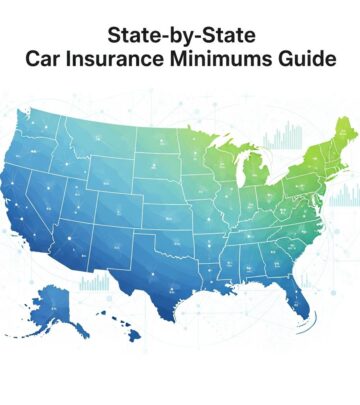
Every state mandates some form of auto insurance to cover potential damages or injuries caused to others. In California, for instance, drivers must carry at least $15,000 for injury or death to one person, $30,000 for injury or death to more than one person, and $5,000 for property damage. This minimum liability coverage, known as 15/30/5, serves as evidence of financial responsibility. Alternatives like cash deposits with the state treasurer exist but are rarely practical. Exemptions apply only to specific vehicles, such as certain farm equipment or government-operated ones.
Failure to maintain this coverage leaves drivers vulnerable. If pulled over, officers request proof alongside a license and registration. Without it, citations follow, leading to court appearances and added fees. Nationally, about 13% of drivers remain uninsured, heightening risks for all road users.
Immediate Consequences of a Traffic Stop
When law enforcement stops a driver for any violation and discovers no insurance, penalties activate swiftly. For a first offense in California, the base fine ranges from $100 to $200. However, penalty assessments—additional surcharges for state funds like victim restitution—multiply this amount. Each $10 of the base fine incurs $26 in assessments, potentially turning a $100 fine into approximately $450 total.
Officers hold discretion to impound the vehicle on the spot, incurring towing and storage costs that can exceed $1,000 within days. No license suspension occurs immediately for standalone violations without accidents, but points accumulate on driving records, affecting future rates.
Escalating Penalties for Repeat Violations
Second or subsequent offenses within three years carry steeper fines of $200 to $500 base. Assessments push totals to $900 for a $200 fine or up to $2,500 for $500. Impoundment remains likely, and the DMV may suspend registration if insurance lapses go unreported or unremedied.
For persistent offenders, license suspension extends up to four years. Reinstatement demands an SR-22 form—a high-risk certificate filed by an insurer verifying coverage—and proof of continuous responsibility for three years. Fees for reinstatement add hundreds more.
Penalties Intensify After Accidents
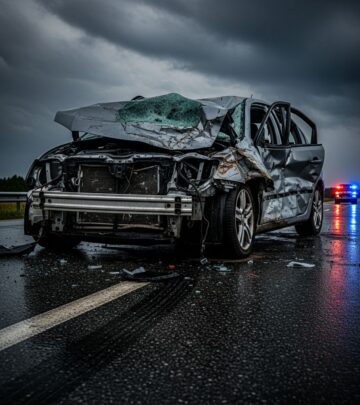
Collisions amplify consequences, as California law requires reporting incidents with over $750 in property damage, injuries, or fatalities. Uninsured at-fault drivers face a mandatory one-year license suspension for first offenses post-crash, plus fines mirroring traffic stop amounts. Courts often order impoundment until fees clear.
Repeat post-collision offenses trigger up to four-year suspensions, with SR-22 maintenance needed during the final three years. Civil liabilities compound this: uninsured drivers pay out-of-pocket for others’ medical bills, repairs, or lost wages, potentially bankrupting them.
Penalty Comparison Table
| Offense Type | Base Fine | Total with Assessments | License Impact | Other |
|---|---|---|---|---|
| First Offense (No Crash) | $100-$200 | $260-$520 approx. | None immediate | Possible impound |
| Second+ Offense (No Crash) | $200-$500 | $520-$1,300 approx. | Up to 4 years suspension | Impound likely |
| First Offense After Crash | $100-$200 | $260-$520 approx. | 1-year suspension | Impound; SR-22 for 3 years |
| Second+ After Crash | $200-$500 | $520-$1,300 approx. | Up to 4 years; SR-22 last 3 | Impound |
This table summarizes California penalties based on multiple sources; actual amounts vary by jurisdiction and case details.
National Variations in Enforcement
While California exemplifies strict no-insurance laws, penalties differ statewide. Florida suspends licenses and registrations outright, requiring reinstatement fees. Washington’s first-offense fines start at $550 plus penalties. Hawaii extremes range $100-$5,000. Most impose license suspensions for first offenses, unlike California’s graduated approach. Repeat national penalties often include jail time in severe cases.
Long-Term Financial and Legal Impacts
Beyond immediate fines, uninsured driving inflates future insurance premiums by 20-50% upon reinstatement, as insurers view it as high-risk. SR-22 requirements last 3-5 years, costing $20-50 monthly extra. Credit scores suffer from unpaid fines, and criminal records may form for egregious repeats.
Employers checking driving records for jobs involving vehicles deny opportunities. In accidents, personal assets like homes or savings face lawsuits without coverage limits.
Steps to Reinstate Driving Privileges
- Pay all fines and court fees in full.
- File SR-22 with DMV if suspended.
- Provide proof of insurance for required period.
- Pay DMV reinstatement fee ($50-$200 typically).
- Complete any mandated traffic school.
Early compliance shortens suspensions; delays compound issues.
Preventing Uninsured Driving Risks
Shop competitive quotes annually, as California averages $2,148 yearly—less than cumulative fines. Set payment reminders to avoid lapses. Non-owner policies suit infrequent drivers. Report changes promptly to DMV via insurer electronic filings.
Frequently Asked Questions
Can out-of-state drivers get cited in California?
Yes, all drivers on California roads must show proof, regardless of residency.
What if insurance lapses briefly?
DMV notifies of cancellations; replace within 45 days or face registration suspension.
Does impoundment happen every time?
No, officer discretion applies, but common for uninsured stops.
How long does SR-22 last?
Typically 3 years without violations post-reinstatement.
Are fines the only cost?
No; add towing ($200+), storage ($50/day), and premium hikes.
Conclusion: Prioritize Coverage for Peace of Mind
Avoiding insurance invites cascading penalties far exceeding policy costs. Maintain continuous coverage to safeguard finances, license, and freedom. Consult DMV or legal aid for personalized guidance.
References
- Penalties for Driving Without Insurance in California — ValuePenguin. 2023. https://www.valuepenguin.com/auto-insurance/california/penalties-driving-without-insurance
- California’s Penalty for Driving without Insurance is Nearly Toothless — Lederer & Nojima. N/A. https://www.lederernojima.com/californias-penalty-for-driving-without-insurance-is-nearly-toothless/
- Driving without Insurance in California (VC 16029) — WK Law. 2023. https://www.wklaw.com/practice-areas/fight-traffic-ticket-california/driving-without-insurance-in-california/
- What Are The Consequences For Driving With No Insurance In California? — J&Y Law. 2023. https://jnylaw.com/blog/what-are-the-consequences-for-driving-with-no-insurance-in-california/
- Driving Without Insurance – California — Avrek Law Firm. 2023. https://www.avrek.com/blog/driving-without-insurance-in-california/
- Driving Without Insurance California: Are There Any Penalties? — Pronto Insurance. N/A. http://www.prontoinsurance.com/blog/driving-without-insurance-california/
- What Happens If You Get Caught Driving Without Insurance? — Bankrate. 2023. https://www.bankrate.com/insurance/car/driving-without-insurance/
- Financial Responsibility, Insurance Requirements, and Collisions — California DMV. 2023. https://www.dmv.ca.gov/portal/handbook/california-driver-handbook/financial-responsibility-insurance-requirements-and-collisions/
Similar Articles








Read full bio of Sneha Tete