Driving Stick: Can Manual Transmission Save Money?
Discover if choosing a manual transmission car can lower your costs on purchase price, fuel, insurance, and maintenance in 2026.
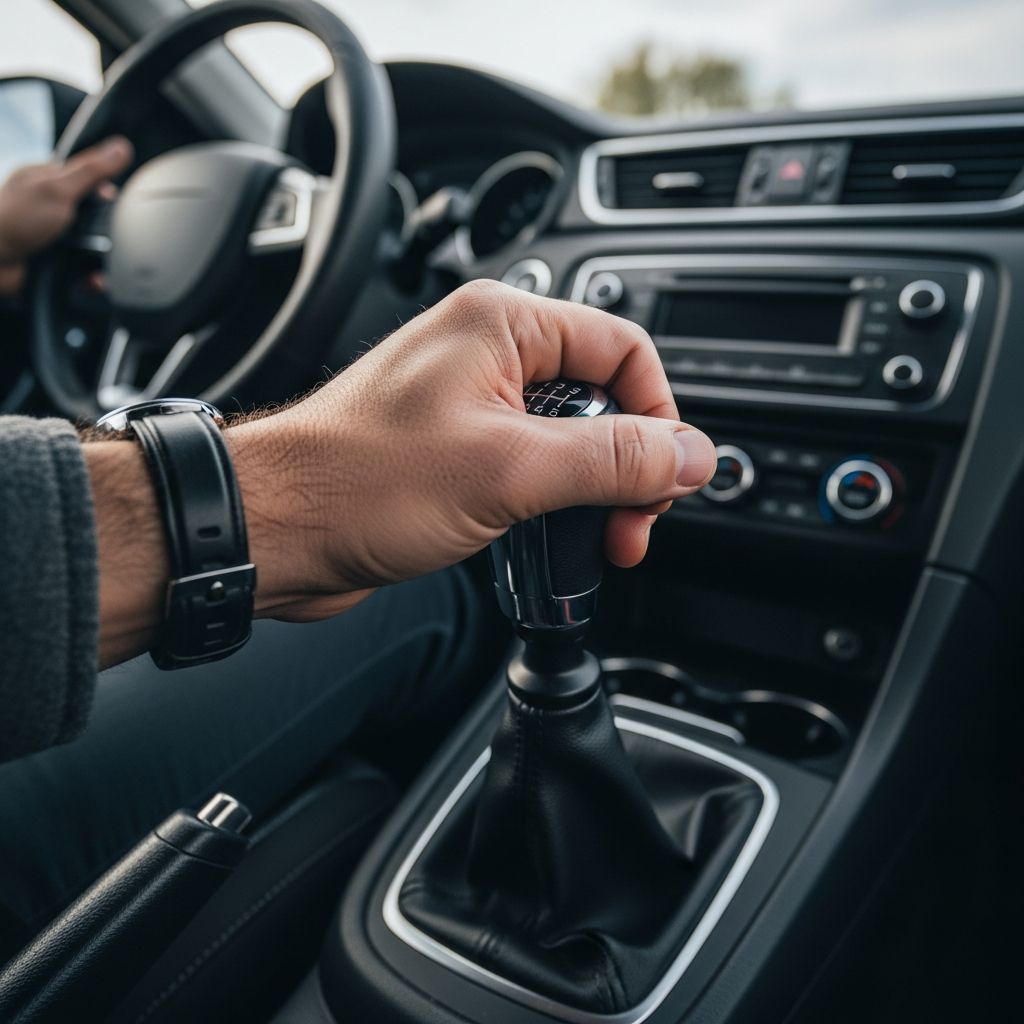
In an era dominated by advanced automatic transmissions, CVTs, and dual-clutch systems, the manual gearbox—often called a stick shift—persists as a niche choice. But does opting for a manual transmission car actually save money? This article breaks down the costs across purchase price, fuel economy, insurance, maintenance, resale value, and more, using real-world data and expert insights to help you decide if driving stick is a smart financial move in 2026.
Upfront Savings: Manuals Are Cheaper to Buy
One of the clearest financial advantages of manual transmissions is the lower purchase price. Manufacturers typically price manual versions of the same model $800 to $2,000 less than their automatic counterparts. This gap stems from simpler construction: manuals lack the complex hydraulics, torque converters, and electronics found in automatics.
For example, in compact cars like the Hyundai i30, the manual variant saves buyers around $1,500 upfront. Over a 5-year ownership period, this translates to immediate cash flow benefits, especially for budget-conscious drivers. Even used manuals on the market command lower asking prices, making them accessible entry points into reliable transportation.
- Average savings: $800–$2,000 new; proportional on used models.
- Why cheaper? Fewer parts (no torque converter, fewer gears in some cases), less manufacturing complexity.
- Best models: Honda Civic, Toyota Corolla, Subaru WRX—manual options often undercut autos by 5–10%.
Fuel Efficiency: Myth or Reality?
The age-old belief that manuals always beat automatics on gas mileage is largely a myth today, thanks to modern multi-gear automatics, CVTs, and DCTs. While manuals can edge out older automatics by 2–5 mpg in skilled hands, advanced automatics often match or exceed them.
Official EPA-style ratings show small gaps: Hyundai i30 manual at 7.3L/100km vs. auto at 7.4L/100km; diesel widens to 4.5 vs. 4.7L/100km. However, CVTs flip the script—Subaru WRX CVT sips 8.6L/100km vs. manual’s 9.2L/100km; Toyota 86 auto at 7.1L vs. manual 8.4L. Real-world tests, like a 2015 AAA study, note manuals can exceed ratings by 17% with optimal shifting, but this requires driver skill.
| Model | Manual (L/100km) | Auto/CVT (L/100km) | Difference |
|---|---|---|---|
| Hyundai i30 Petrol | 7.3 | 7.4 | Manual better |
| Hyundai i30 Diesel | 4.5 | 4.7 | Manual better |
| Subaru WRX | 9.2 | 8.6 (CVT) | CVT better |
| Toyota 86 | 8.4 | 7.1 (Auto) | Auto better |
Skilled manual drivers save fuel by controlling RPM—keeping it low (under 2,500) in higher gears minimizes consumption. Autos handle this automatically but may lag in stop-go traffic without lock-up torque converters. Bottom line: Savings are marginal (0–5%) unless you’re an expert shifter.
Insurance Discounts for Stick Shifts
Manual cars often qualify for lower insurance premiums because they demand active driver engagement, potentially reducing accident rates. Insurers view stick shifts as theft-deterrents—fewer joyriders master clutch work—and safer in skilled hands. Discounts range from 5–15%, saving $100–$300 annually on average policies.
- Theft protection: Harder to steal impulsively.
- Driver focus: Shifting demands attention, curbing distractions.
- Tip: Shop insurers like Progressive or Geico, which factor transmission type.
However, if you’re inexperienced, higher claim risks could negate discounts. Always disclose your skill level.
Maintenance and Repair Costs: Manuals Win Big
Manual transmissions shine in longevity and repair affordability. Clutches last 100,000–150,000 miles with proper use, costing $800–$1,500 to replace—far less than automatic rebuilds ($2,500–$5,000). No fluid changes needed every 30,000 miles, unlike autos.
Common issues: Clutch wear from riding the pedal. Preventive tips include smooth shifts, avoiding high-RPM launches. Automatics suffer torque converter failures, solenoid issues, and overheating in traffic—problems manuals dodge.
U.S. Department of Energy notes manuals have lighter components and fewer energy losses, extending transmission life. For high-mileage drivers, this means fewer shop visits and lower lifetime costs.
Resale Value: Manuals Hold Steady for Enthusiasts
Manuals depreciate slower in sports/performance segments (e.g., Mazda Miata, Honda Civic Si) due to enthusiast demand. Mainstream models lag, as automatics dominate used markets (90%+ preference). Expect 5–10% better retention for fun-to-drive manuals.
- Strengths: Niche appeal in sports cars.
- Weaknesses: Broader market favors autos.
- Strategy: Buy used manuals for max value.
Learning Curve: Time and Effort Investment
Mastering stick shift takes practice—expect 10–20 hours for proficiency. Hills, traffic, and parking challenge newbies, risking stalls or wear. Once learned, it’s second nature, offering control and engagement autos can’t match.
Cost of lessons: $50–$100/hour. Families pass skills generationally, amplifying long-term savings.
Performance and Driving Experience Perks
Beyond dollars, manuals deliver superior acceleration feel and driver involvement. Lighter weight aids handling; direct input enhances fun. Fuel tips for manuals: Shift at 2,000–2,500 RPM, coast in gear, anticipate stops.
Modern Alternatives: CVTs, DCTs, and AMTs
CVTs optimize RPM continuously for peak efficiency; DCTs mimic manuals with rapid shifts. AMTs blend clutch efficiency with auto ease. These often outperform manuals on fuel while costing less to maintain long-term.
Frequently Asked Questions (FAQs)
Are manual transmissions still more fuel-efficient than automatics?
No, modern automatics and CVTs often match or beat manuals on paper and in real-world tests. Skilled drivers can eke out 2–5 mpg extra.
How much cheaper are manual cars upfront?
Typically $800–$2,000 less new, proportional used.
Do manuals save on insurance?
Yes, 5–15% discounts common due to theft deterrence and engagement.
What’s the clutch replacement cost?
$800–$1,500, vs. $2,500+ for auto rebuilds.
Are manuals harder to resell?
In mainstream cars yes; in sports models, no—enthusiasts pay premiums.
Best tips for fuel-efficient stick shifting?
Shift early (2,000 RPM), use highest gear possible, avoid lugging or revving high.
Is a Manual Right for You?
Manuals save money upfront, on maintenance/insurance, and slightly on fuel—if you’re skilled. For most, advanced automatics offer better overall efficiency and convenience. Test drive both; crunch your numbers (mileage, commute, budget). In 2026, stick shifts thrive for purists seeking savings and soul.
References
- Myth-Busting: Manual transmissions fuel efficient — Practical Motoring. 2023. https://practicalmotoring.com.au/car-advice/myth-busting-manual-transmissions-fuel-efficient/
- Manual Transmission and Saving Gas — LoanMart. 2024. https://www.800loanmart.com/blog/manual-transmission-and-saving-gas/
- Five Myths About Stick Shifts — Edmunds. 2025-06-15. https://www.edmunds.com/fuel-economy/five-myths-about-stick-shifts.html
- How to Improve Fuel Efficiency — National Transmission (citing U.S. Dept. of Energy, Consumer Reports). 2024-03-20. https://www.nationaltransmission.ca/how-to-improve-fuel-efficiency/
- Maintaining Fuel Efficiency as You Drive — Mister Transmission. 2024. https://www.mistertransmission.com/maintaining-fuel-efficiency/
- 5 Manual Transmission Tips That Could Improve Your Vehicle’s MPG — SlashGear. 2024-01-10. https://www.slashgear.com/1519335/manual-transmission-tips-improve-mpg/
Similar Articles








Read full bio of Sneha Tete