Driver’s License Number Stolen: Action Plan
Discover immediate steps to safeguard your identity when your driver's license number falls into the wrong hands and prevent further damage.
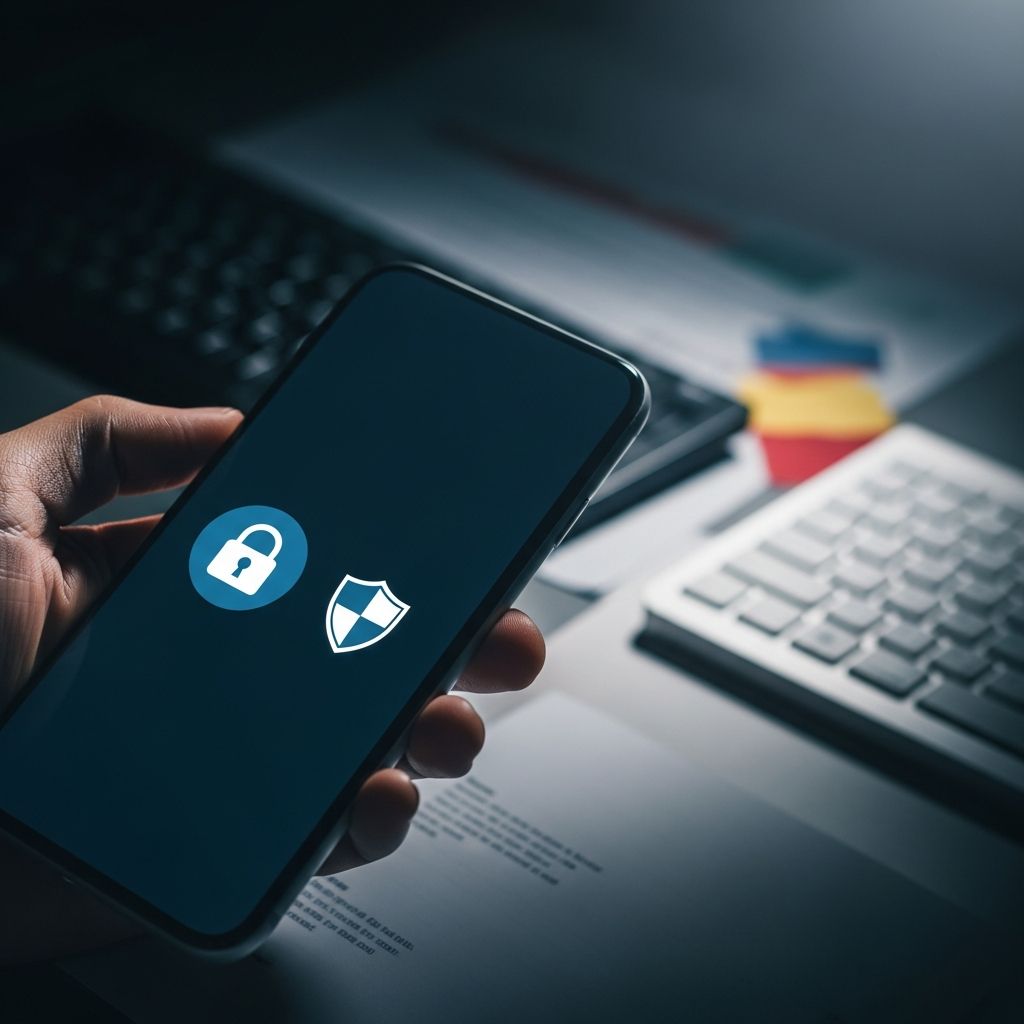
Your driver’s license number is a key piece of personal information that, if stolen, can open doors to serious fraud. Thieves might use it to impersonate you, open accounts, or commit crimes in your name. Acting quickly limits the damage and restores your security.
Understanding the Risks of a Compromised License Number
A driver’s license number alone provides thieves with valuable data like your full name, birth date, and address. Combined with other details, it enables synthetic identity theft, where fraudsters mix real and fake info to create new profiles for loans or benefits.
Criminals can redirect your mail using this number, intercepting checks or statements. They might forge IDs for underage drinking, traffic violations, or even vehicle registrations leading to accidents charged to you.
On the dark web, these numbers fetch high prices—around $150 each—fueling broader scams. Data breaches have exposed over 150 million U.S. drivers’ licenses since 2017, amplifying the threat.
Immediate Reporting: First Line of Defense
Start by documenting the incident officially to create a paper trail for disputes.
- File a Police Report: Call your local non-emergency line immediately. Provide details like when you last used the license, any suspicious activity on your motor vehicle record, or fraudulent accounts. This report is crucial for later claims and investigations.
- Notify Your State DMV: Contact your Department of Motor Vehicles via their website or office. Request your motor vehicle report (MVR) to spot anomalies like fake tickets or suspensions. Ask for a replacement license; some states offer new numbers with proof of theft.
For commercial driver’s licenses (CDLs), inform your employer promptly to avoid liability from impersonators.
Protecting Your Financial Identity
Thieves often pair license numbers with fabricated Social Security details for credit fraud.
| Action | How to Do It | Why It Matters |
|---|---|---|
| Fraud Alert | Contact Equifax, Experian, TransUnion (one notifies all) | Requires creditors to verify identity before new accounts; lasts 1 year (7 years for active duty military) |
| Credit Freeze | Free at each bureau online/phone; use PIN to lift | Blocks new credit access entirely; ideal for high-risk cases |
| Identity Theft Report | File at IdentityTheft.gov | Creates FTC recovery plan; supports disputes |
Place alerts or freezes promptly to halt unauthorized loans or cards.
Monitoring and Verification Steps
Proactive checks uncover hidden misuse early.
- Run a Self-Background Check: Search public records for unfamiliar arrests, tickets, or addresses linked to your name.
- Check Mail Forwarding: Review USPS records for change-of-address requests in your name.
- Scan the Dark Web: Use free tools or services to detect if your data is circulating online.
- Request MVR: Ensures no phantom violations taint your driving history.
Consider “Verify ID” flags where available, alerting police to demand extra proof during stops.
Obtaining Replacements and Long-Term Safeguards
Replace your license swiftly to minimize duplicates in circulation. Visit DMV in person or online, bringing ID proofs. Fees vary by state, but urgency trumps cost.
For ongoing protection:
- Enroll in identity theft monitoring services for real-time alerts on data misuse.
- Update passwords and enable two-factor authentication everywhere.
- Shred documents with sensitive info before disposal.
- Carry minimal ID; use digital wallets or apps for verification.
State-Specific Variations and Resources
Procedures differ by state. Texas DPS, for example, emphasizes police reports and credit alerts. Nevada DMV provides nationwide contacts. Always check your state’s motor vehicle site first.
Frequently Asked Questions
Can I get a new driver’s license number?
Yes, in many states with a police report and identity theft proof. Otherwise, replacements keep the same number.
How long does a credit freeze last?
Indefinitely until you lift it with your PIN. It’s free and reversible.
What if my license was stolen with my wallet?
Report all items to police, cancel cards, and file with FTC via IdentityTheft.gov for comprehensive recovery.
Is my info safe if only the number was stolen?
Not entirely—combined with public data, it enables fraud. Monitor closely.
Who do I contact for data breach exposure?
Your state attorney general, FTC, and credit bureaus. Track breaches via reliable tools.
Preventing Future Incidents
Avoid carrying unnecessary originals; photograph them securely instead. Use RFID-blocking wallets. Regularly review credit reports annually for free at AnnualCreditReport.com.
Stay vigilant: question unexpected bills, verify addresses, and educate family on risks. Identity protection isn’t reactive—build habits now.
References
- What to do if someone has your driver’s license number: 8 steps — Norton LifeLock. 2023. https://lifelock.norton.com/learn/identity-theft-resources/what-to-do-if-someone-has-your-drivers-license-number
- Stolen Driver’s License? Stay Calm — Here’s What To Do — Identity Guard. 2023. https://www.identityguard.com/news/what-happens-when-your-drivers-license-is-stolen
- What Can Someone Do With Your Driver’s License or ID? — Aura. 2023. https://www.aura.com/learn/can-someone-steal-your-identity-with-your-id
- Can Someone Steal Your Identity From Your Driver’s License — Identity Theft Resource Center. 2023. https://www.idtheftcenter.org/post/can-someone-steal-your-identity-from-your-drivers-license/
- Identity Theft Information Guide — Texas Department of Public Safety. 2023. https://www.dps.texas.gov/section/driver-license/identity-theft-information-guide
- Section 4: Lost or Stolen Driver License/ID Card — Texas Department of Public Safety. 2023. https://www.dps.texas.gov/section/driver-license/faq/section-4-lost-or-stolen-driver-licenseid-card
Similar Articles








Read full bio of Sneha Tete