Drink Your Tea: Types, Health Benefits, and How to Brew a Perfect Cup
Discover the world of tea: explore popular types, uncover impressive health benefits, and master the art of brewing the perfect cup every time.
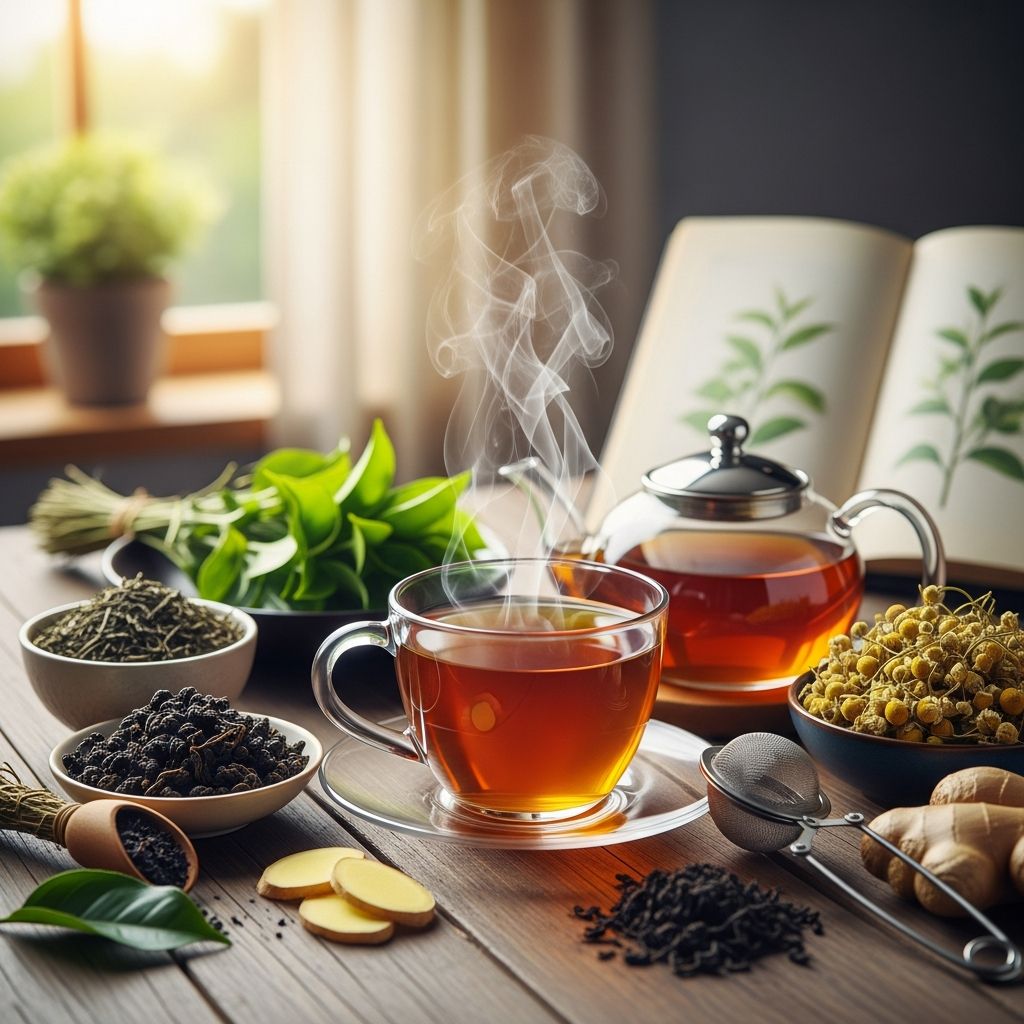
Tea is one of the most popular beverages worldwide, enjoyed for its comforting warmth, diverse flavors, and remarkable health benefits. Originating from the Camellia sinensis plant or various herbs, tea has been cherished for centuries across cultures. Whether you’re a seasoned tea drinker or just starting, understanding the types, benefits, and proper brewing methods can elevate your experience. This guide dives deep into the essentials, helping you select, prepare, and savor the perfect cup.
The History of Tea: A Brief Overview
Tea’s journey began over 5,000 years ago in ancient China, where legend has it that Emperor Shen Nong discovered it when leaves fell into boiling water. From there, it spread to Japan, Europe via trade routes, and eventually became a global staple. In Britain, it fueled the Industrial Revolution as a cheap energy source for workers. Today, tea production spans continents, with major producers like China, India, and Kenya leading the market. Its cultural significance—from Japanese tea ceremonies to British afternoon tea—highlights its enduring appeal.
True Teas from Camellia Sinensis
All true teas derive from the Camellia sinensis plant, differentiated by processing methods: oxidation levels determine color, flavor, and strength. Here’s a breakdown:
- Green Tea: Minimally oxidized, steamed or pan-fired to preserve freshness. Known for grassy notes and vibrant color.
- Black Tea: Fully oxidized, resulting in bold, malty flavors. Popular varieties include Assam, Darjeeling, and Earl Grey.
- White Tea: Least processed, made from young buds. Delicate, subtle sweetness with minimal bitterness.
- Oolong Tea: Partially oxidized, bridging green and black teas. Flavors range from floral to fruity, often rolled into unique shapes.
- Pu-erh Tea: Fermented and aged, earthy and robust. Improves with time like fine wine.
These teas share antioxidants like catechins and polyphenols, but their profiles vary widely.
Herbal Teas (Tisanes): Caffeine-Free Alternatives
Unlike true teas, herbal teas or tisanes are infusions of herbs, fruits, flowers, or spices—no Camellia sinensis involved. They’re naturally caffeine-free and offer therapeutic qualities:
- Chamomile: Calming flowers for relaxation and sleep.
- Peppermint: Mint leaves for digestion and refreshment.
- Ginger: Spicy root for nausea relief and warmth.
- Hibiscus: Tart red petals, rich in vitamin C.
- Rooibos: South African red bush, nutty and antioxidant-packed.
Blends like lemon-ginger or chai (black tea with spices) combine true and herbal elements for enhanced effects.
Health Benefits of Drinking Tea
Tea is more than a beverage—it’s a health powerhouse. Regular consumption links to numerous benefits, supported by research from institutions like the National Institutes of Health (NIH) and Harvard T.H. Chan School of Public Health.
Antioxidant Powerhouse
Teas brim with polyphenols, combating free radicals to reduce oxidative stress. Green tea’s EGCG is particularly potent, potentially lowering cancer risk.
Heart Health
Black and green teas improve cholesterol levels, reduce blood pressure, and enhance artery function. Studies show 3+ cups daily cut cardiovascular disease risk by 20-30%.
Weight Management
Catechins boost metabolism and fat oxidation. Oolong and green teas aid weight loss when paired with diet and exercise.
Brain Boost
L-theanine and caffeine synergy promotes focus without jitters. Long-term, teas may protect against cognitive decline.
Digestion and Immunity
Herbals like peppermint soothe IBS; ginger fights inflammation. All teas support gut health and immunity via vitamins and prebiotics.
Note: Benefits vary by type and individual; consult a doctor for medical advice.
How to Brew the Perfect Cup of Tea
Brewing elevates flavor and extracts maximum benefits. Key factors: water quality, temperature, time, and tools.
Essential Tools
- Tea kettle or electric kettle with temperature control
- Tea infuser, strainer, or teapot
- Timer
- Scale for precise measurements (1 tsp loose leaf per 8 oz water)
Water Temperature Guide
| Tea Type | Ideal Temperature | Steep Time |
|---|---|---|
| Green/White | 160-180°F (70-82°C) | 1-3 minutes |
| Black/Oolong | 200-212°F (93-100°C) | 3-5 minutes |
| Herbal | 212°F (100°C) | 5-7 minutes |
| Pu-erh | 212°F (100°C) | 3-5 minutes (rinse first) |
Step-by-Step Brewing
- Warm your vessel: Pour hot water into teapot/cup to preheat.
- Measure tea: 1 tsp loose leaf or 1 bag per 8 oz.
- Heat water precisely: Avoid boiling for delicate teas.
- Steep: Cover to retain heat; time accurately to prevent bitterness.
- Strain and enjoy: Add milk/honey if desired, but try plain first.
Pro tip: Use filtered water; hard water affects taste.
Common Brewing Mistakes and How to Avoid Them
- Wrong temperature: Scalding green tea makes it bitter—use a thermometer.
- Over-steeping: Tannins extract, turning tea astringent.
- Poor storage: Keep loose tea in airtight tins away from light/heat.
- Using microwaved water: Uneven heating; always boil fresh.
- Low-quality tea: Invest in loose-leaf from reputable sources.
Tea Pairings and Recipes
Elevate tea time with food pairings:
- Green: Sushi, salads
- Black: Scones, chocolate
- Herbal: Cookies, fruits
Simple Iced Tea Recipe
- Brew double-strength hot tea.
- Cool, add ice, lemon, and mint.
- Sweeten lightly if desired.
Chai Latte
Simmer black tea with cinnamon, cardamom, ginger, cloves, milk, and sugar.
FAQs
Frequently Asked Questions
Q: Is tea better than coffee?
A: Tea offers similar caffeine with L-theanine for smoother energy; it’s lower in acidity and richer in antioxidants.
Q: How many cups of tea per day is safe?
A: 3-5 cups for most adults; monitor caffeine intake (under 400mg daily).
Q: Can tea help with weight loss?
A: Yes, catechins boost metabolism, but combine with healthy habits.
Q: What’s the difference between loose leaf and tea bags?
A: Loose leaf provides superior flavor and quality; bags are convenient but often use dust.
Q: Does adding milk reduce benefits?
A: It may bind some antioxidants, but black tea with milk still offers heart benefits.
Choosing Quality Tea
Opt for organic, single-origin leaves. Avoid artificial flavors. Stores like Teavana or local shops offer samples. Experiment with samplers to find favorites.
Sustainable sourcing matters—look for Fair Trade certifications to support ethical farming.
Tea Around the World
– Morocco: Mint tea, sweet and social.- Japan: Matcha, whisked green powder.- India: Masala chai, spiced milk tea.- Turkey: Strong black çay in tulip glasses.
Embrace global traditions at home.
References
- Tea: A Detailed USDA Analysis — United States Department of Agriculture (USDA). 2023-05-15. https://www.ars.usda.gov/ARSUserFiles/80400525/articles/jafc49_3802-3806.pdf
- Antioxidants in Tea and Health Benefits — National Center for Complementary and Integrative Health (NCCIH), NIH. 2024-02-10. https://www.nccih.nih.gov/health/green-tea
- Tea and Cardiovascular Disease — Harvard T.H. Chan School of Public Health. 2023-11-20. https://www.hsph.harvard.edu/nutritionsource/food-features/tea/
- Global Tea Processing Standards — Food and Agriculture Organization (FAO), UN. 2022-09-01. http://www.fao.org/3/ca2279en/ca2279en.pdf
- Effects of Tea on Metabolism — PubMed Central (PMC), NIH. DOI: 10.3390/nu13061968. 2021-06-12. https://www.ncbi.nlm.nih.gov/pmc/articles/PMC8226789/
- Herbal Infusions Safety — World Health Organization (WHO). 2023-07-05. https://www.who.int/publications/i/item/9789240072867
Similar Articles








Read full bio of Sneha Tete