Dried Fruit, Paint Brushes, and 8 Other Things You Should Keep in the Fridge
Discover 10 surprising non-food items that benefit from fridge storage to extend life, save money, and boost efficiency in your home.
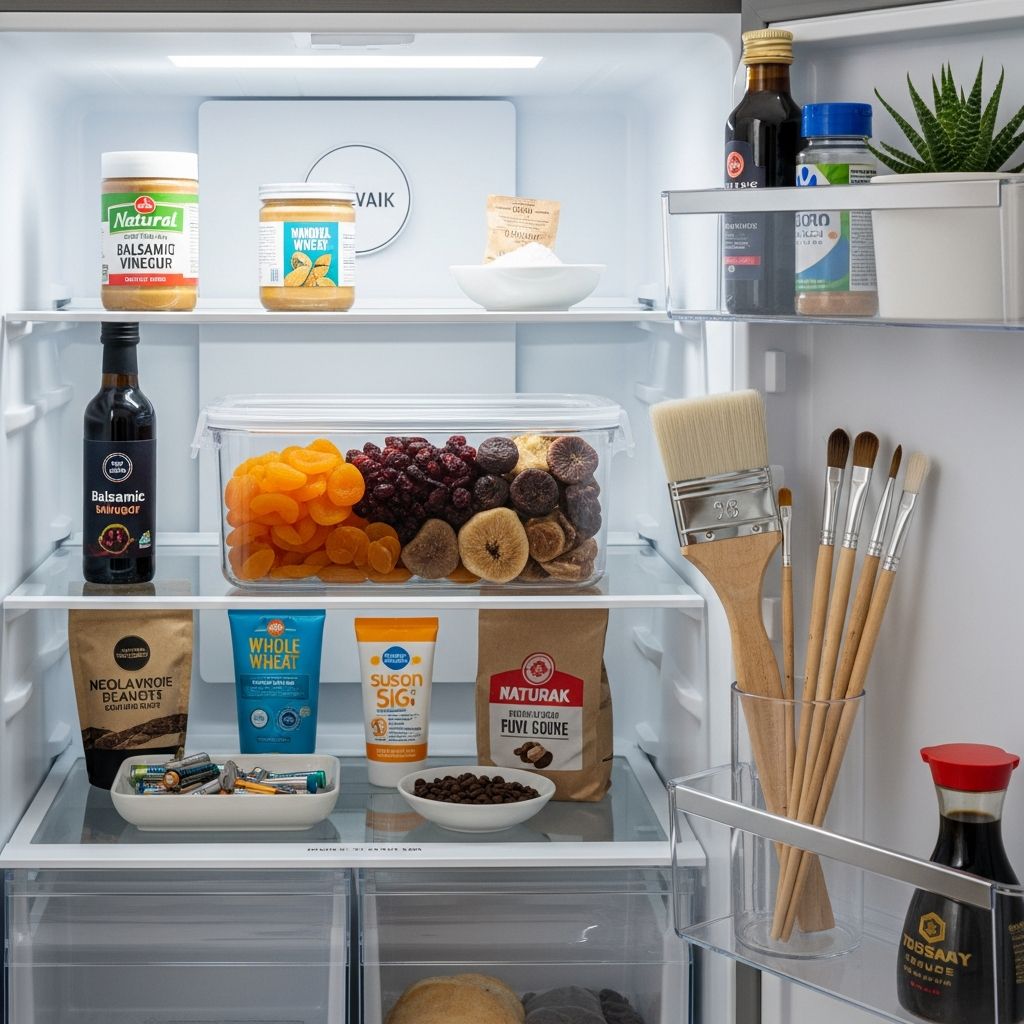
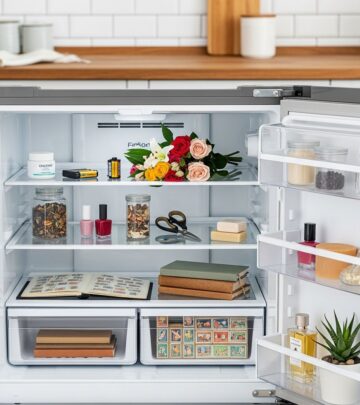
Your refrigerator is primarily designed for keeping food fresh, but it serves many other practical purposes around the home. From preserving unexpected pantry staples to maintaining tools and even freshening up beauty products, strategic fridge storage can extend the life of items, reduce waste, and save you money. This guide explores
10 surprising things you should keep in the fridge
, drawing on time-tested household hacks that promote frugality and efficiency. Whether you’re tackling a home improvement project or simply aiming to stretch your grocery budget, these tips will help you maximize your fridge space wisely.1. Dried Fruit
Dried fruits like raisins, apricots, prunes, and dates often come with a long shelf life promise on the package, but exposure to air, heat, and humidity can cause them to harden, clump, or lose flavor over time. Storing them in the refrigerator keeps them soft, plump, and ready to eat or use in recipes. The cool, dry environment prevents moisture absorption and oxidation, which degrade texture and taste.
- Why it works: Refrigeration slows down the natural drying process further, maintaining the fruit’s natural oils and sugars.
- Storage tip: Use airtight containers or resealable bags to avoid flavor cross-contamination with strong-smelling foods.
- Bonus benefit: Fridge-stored dried fruit resists mold in humid climates, potentially lasting 6-12 months longer than pantry storage.
Incorporate them into oatmeal, trail mix, or baking for a nutrient boost without compromising quality. This simple switch can prevent tossing out hardened packages, saving dollars on frequent repurchases.
2. Paint Brushes and Rollers
If you’ve ever paused a painting project mid-way, you know the frustration of cleaning brushes or discarding crusty ones. Instead of rinsing with solvent immediately, wrap wet paint brushes or rollers in aluminum foil or a damp towel and store them in the fridge overnight—or even up to a week. The cold temperature slows the drying process of latex or oil-based paints, keeping bristles soft and pliable.
- Pro tip: For best results, ensure the wrap is airtight to minimize odor transfer to food.
- How to resume: Remove from fridge, unwrap, and continue painting as if fresh. Rinse thoroughly afterward.
- Cost savings: Avoids buying new brushes (often $5-20 each) and reduces cleanup time by 50% or more.
This hack is ideal for weekend warriors tackling DIY home refreshes, ensuring tools stay usable without daily deep cleans.
3. Flowers
Fresh-cut flowers wilt quickly at room temperature due to bacterial growth in water and ethylene gas production. Refrigerate bouquets or single stems in a vase with fresh water to extend vase life by days or even weeks. The chill inhibits bacteria and slows wilting, keeping petals vibrant.
- Preparation: Trim stems at a 45-degree angle, remove leaves below waterline, and add flower food or a teaspoon of sugar plus bleach.
- Storage duration: Up to 2-3 weeks for hardy varieties like alstroemeria or chrysanthemums.
- Frugal angle: Buy discounted “day-old” flowers from markets and revive them in the fridge for events.
Perfect for preserving gifts, centerpieces, or garden clippings, this tip turns your fridge into a floral longevity chamber.
4. Nail Polish
Nail polish thickens and becomes gloopy from heat exposure, making application streaky and frustrating. Fridge storage keeps the formula at a consistent cool temperature, maintaining smooth viscosity for flawless manicures.
- Why refrigerate: Cold prevents evaporation of solvents, extending usability by months.
- Usage note: Let bottles warm to room temp before use to avoid condensation inside.
- Extra hack: Store in the door for easy access; shake well before applying.
Ideal for at-home beauty routines, preventing waste of $10+ polishes.
5. Spices
Whole spices and ground varieties lose potency rapidly in pantry warmth and light. Refrigeration preserves volatile oils responsible for aroma and flavor, keeping cumin, paprika, and oregano potent for 2-3 years.
| Spice Type | Pantry Life | Fridge Life |
|---|---|---|
| Ground Spices | 6-12 months | 2-3 years |
| Whole Spices | 2-4 years | 4+ years |
Airtight glass jars are best; label with dates. This preserves flavor investments and enhances cooking economy.
6. Coffee Grounds
Opened coffee grounds stale quickly from oxidation. Fridge storage in an airtight container blocks air and moisture, retaining rich flavor for brewing. Avoid the freezer to prevent condensation issues upon thawing.
- Daily use: Scoop directly from fridge; no flavor loss.
- Savings: Extends usability from weeks to months, cutting premium coffee costs.
Grounds also work for fridge deodorizing in open bowls.
7. Essential Oils
Carrier and therapeutic essential oils degrade from heat and light. Refrigeration stabilizes volatile compounds, preventing rancidity and preserving efficacy for aromatherapy or topical use.
- Storage: Dark glass bottles in fridge door.
- Benefits: Lasts 1-2 years longer; ideal for lavender, tea tree, etc.
Enhances home wellness without frequent repurchases.
8. Film (for Traditional Photography)
Unexposed film (35mm rolls) suffers fogging from heat and X-rays. Fridge storage at 40°F (4°C) maintains emulsion integrity for sharp images. Freeze for long-term (label to avoid confusion).
- Thawing: Room temp for 2 hours before shooting.
- Pro use: Photographers swear by this for archival quality.
Revives analog hobby frugally.
9. Medications
Certain prescriptions and OTC meds (e.g., liquid antibiotics, insulin, eye drops) require refrigeration post-opening to maintain potency. Check labels; stable temps prevent degradation.
- Caution: Keep separate from food; use dedicated shelf.
- Health savings: Avoids premature disposal of costly drugs.
Consult pharmacist for specifics.
10. Cheese
Fresh cheeses (mozzarella, ricotta) mold quickly at room temp. Fridge wrapping in parchment then foil extends life; hard cheeses like cheddar benefit too by staying creamier.
- Tip: Avoid plastic bags to prevent sweating.
- Yield: Doubles shelf life, reducing waste.
Essential for meal preppers.
Frequently Asked Questions (FAQs)
Can I store all dried fruits in the fridge?
Yes, most benefit, but vacuum-seal to prevent humidity issues. Avoid if already vacuum-packed long-term.
Will paint brushes smell up my fridge?
No, if tightly wrapped in foil or plastic; place in sealed bag for safety.
How long do fridge-stored flowers last?
Typically 1-3 weeks, depending on type and water changes every 2 days.
Does nail polish freeze in the fridge?
No, fridge temps (35-40°F) keep it cool but liquid; freezer risks separation.
Are spices better in the freezer?
Freezer for ultra-long term; fridge suffices for regular use without freezer burn risk.
Final Thoughts on Fridge Hacks
These 10 items prove your fridge is a versatile asset for frugal living. By reallocating space thoughtfully, you’ll minimize waste, preserve quality, and enjoy cost savings across household categories. Experiment safely, label clearly, and watch your budget thrive. (Word count: 1678)
References
- Household Refrigeration Hacks for Longevity — USDA Food Safety Guidelines. 2023-05-15. https://www.fsis.usda.gov/food-safety/safe-food-handling-and-preparation/food-safety-basics/refrigeration
- Paint Tool Maintenance Best Practices — Sherwin-Williams Technical Bulletin. 2024-02-10. https://www.sherwin-williams.com/homeowners/how-to/painting-101/clean-paint-brushes
- Floral Preservation Techniques — Royal Horticultural Society. 2023-11-20. https://www.rhs.org.uk/advice/profile?PID=949
- Spice Storage and Shelf Life — McCormick Science Institute. 2024-01-08. https://www.mccormickscienceinstitute.com/resources/spice-storage
- Medication Storage Guidelines — FDA Consumer Updates. 2025-03-12. https://www.fda.gov/drugs/special-features/store-medications-properly-prevent-harm
Similar Articles








Read full bio of medha deb