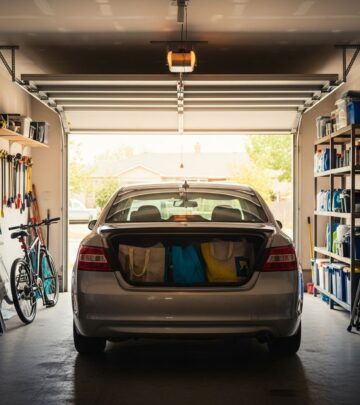
Downsizing to One Car: Smart Family Strategy
Explore the financial perks, lifestyle shifts, and practical tips for transitioning to a single-vehicle household while maintaining family harmony.

Transitioning to a single vehicle household offers substantial financial relief for many families, potentially slashing expenses by thousands yearly through reduced payments, insurance, and upkeep costs. This shift demands careful planning around daily routines but rewards with simplified finances and stronger family bonds.
Financial Advantages of Single Vehicle Ownership
Opting for one car eliminates duplicate costs that accumulate quickly in multi-vehicle setups. Families often redirect these savings into emergency funds or debt reduction, fostering long-term stability.
- Eliminated Loan Payments: Dropping a second car loan frees up hundreds monthly, allowing direct allocation to savings or investments.
- Lower Insurance Premiums: Insuring one vehicle halves coverage costs, with averages saving $1,000+ annually depending on location and policy.
- Reduced Registration and Taxes: State fees, inspections, and property taxes apply only once, cutting overhead significantly.
- Fewer Maintenance Expenses: Repairs, oil changes, and tires for one car mean less frequent and lower total spending.
- Gas Savings: Single usage patterns optimize fuel efficiency, especially with coordinated trips.
Real families report annual savings nearing $2,000 from insurance and gas alone, not counting avoided repairs on idle vehicles. These funds compound when invested wisely.
Lifestyle Benefits Beyond the Wallet
Beyond dollars, one-car living reshapes daily habits positively. It curbs spontaneous outings, promoting mindful spending and more home-centered activities.
- Enhanced family coordination builds communication skills as schedules align.
- Less driving reduces stress and environmental impact through fewer miles logged.
- More time at home encourages productive pursuits like meal prep or hobbies.
Parents note fewer impulse buys, as access to stores requires planning, naturally tightening budgets. Environmentally, lower emissions align with sustainability goals.
Potential Drawbacks and Realistic Challenges
While appealing, single-car life isn’t seamless. Conflicts arise from mismatched schedules, demanding flexibility.
| Challenge | Impact | Mitigation Tip |
|---|---|---|
| Scheduling Overlaps | Work, school, errands clash | Shared digital calendars |
| Vehicle Breakdowns | Total immobility | Reliable mechanic, rental insurance |
| Limited Spontaneity | Fewer outings | Batch errands weekly |
| Public Transit Gaps | Rural area struggles | Bike/walk options |
Urban families adapt easier with transit; rural ones face steeper hurdles without backups like carpool networks.
Assessing Your Family’s Readiness
Not every household suits this model. Evaluate based on work flexibility, location, and family size.
- Commute Compatibility: Remote or staggered work hours ideal.
- Vehicle Reliability: Choose durable models with warranties.
- Proximity to Essentials: Walkable neighborhoods simplify transitions.
- Backup Plans: Friends, rentals, or rideshares for emergencies.
Test runs, like parking one car for weeks, reveal true feasibility before selling.
Step-by-Step Guide to Making the Switch
A structured approach minimizes disruption. Start with financial review, then logistics.
- Audit Expenses: Calculate two-car costs vs. one over 12 months.
- Select Keeper Vehicle: Prioritize space, fuel economy, safety ratings.
- Sell the Extra: Price competitively via private sale or trade-in.
- Update Insurance: Shop policies covering rentals.
- Build Routines: Map shared calendars, batch tasks.
- Monitor and Adjust: Track savings, tweak as needed.
Families succeeding emphasize communication, often gaining 1-2 extra hours daily from synced commutes.
Real Family Success Stories
Countless households thrive on one car. One couple saved $1,920 yearly on insurance/gas, redirecting to family vacations. Another gained ‘daddy time’ by carpooling commutes, turning drives into bonding. Large families with vans fit all, avoiding payments while homebound moms tackle projects.
Having one reliable car transformed our budget—fewer repairs, more savings, and surprisingly, less stress from decisions.—Anonymous Family Blog
Overcoming Common Obstacles
Address breakdowns with trusted mechanics and rental coverage. Scheduling apps sync appointments seamlessly. For kids’ activities, prioritize or carpool. Rural families leverage community support or e-bikes.
Long-Term Financial Impact
Over years, savings snowball. No second depreciation means preserved equity. Redirected payments build emergency funds covering repairs swiftly. Some buy cash outright next time, avoiding loans entirely.
Frequently Asked Questions
Is one-car living feasible for working parents?
Yes, with flexible jobs or aligned shifts; many succeed via planning.
How much can families save annually?
Typically $1,500-$3,000, varying by location and vehicles.
What if the car breaks down?
Opt for insurance with rental reimbursement and reliable maintenance.
Best vehicle for one-car families?
Minivans or SUVs with high safety, space, and MPG.
Does it work in rural areas?
Challenging but possible with strong community ties and backups.
Environmental and Health Perks
Less driving cuts carbon footprints. Walking/biking boosts fitness, aligning with wellness trends. Families report calmer lifestyles sans constant shuttling.
References
- AAA Auto Blog: How to Become a One-Car Household — AAA. 2023-05-15. https://www.acg.aaa.com/connect/blogs/5c/auto/how-to-become-a-one-car-household
- One Car Family Experience (Pros and Cons) — Frugal Confessions. 2022-08-10. https://www.frugalconfessions.com/cars/one-car-family/
- Why I Don’t Mind Being a One-Car Family — The Prudent Homemaker. 2021-11-20. https://theprudenthomemaker.com/why-i-don-t-mind-being-a-one-car-family/
- Becoming A One Car Family | Pros, Cons, Factors — Ryan Gibson UK. 2023-02-14. https://ryangibson.uk/becoming-a-one-car-family/
- Should You Downsize to be a One Car Family — Chase Personal Auto Education. 2024-06-01. https://www.chase.com/personal/auto/education/selling/one-car-family
Similar Articles








Read full bio of medha deb