Doomsday Bunkers for Sale: Affordable Apocalypse Homes
Explore doomsday bunkers for every budget, from $25,000 starter units to multi-million dollar luxury compounds.
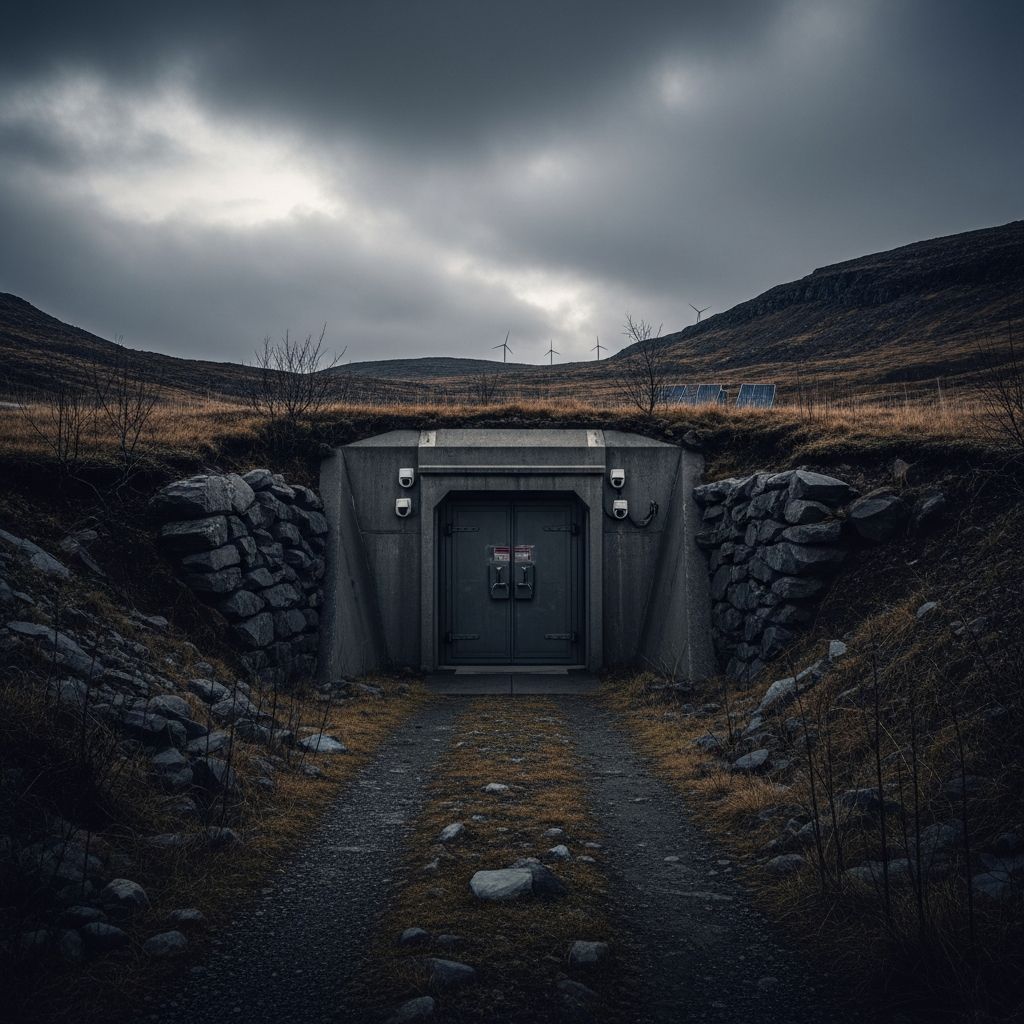
In an era of increasing uncertainty, preparedness has transitioned from fringe thinking to mainstream consideration. What was once dismissed as paranoid speculation has evolved into a legitimate real estate category, with doomsday bunkers and survival properties attracting serious buyers across all economic strata. The market for apocalypse-ready homes has expanded dramatically, offering options ranging from modest underground shelters priced at $25,000 to multi-million-dollar luxury compounds equipped with state-of-the-art protective systems and amenities that rival five-star resorts.
The proliferation of these properties reflects a fundamental shift in how people approach personal security and family preparedness. Whether driven by concerns about natural disasters, economic collapse, nuclear threats, or other catastrophic scenarios, buyers are increasingly willing to invest in comprehensive survival solutions. The diversity of available options means that virtually anyone, regardless of budget constraints, can now access some form of bunker infrastructure or survival property.
Understanding the Doomsday Bunker Market
The contemporary bunker market operates across multiple price tiers, each serving different demographic groups and preparedness philosophies. Entry-level options provide basic underground shelter and essential survival infrastructure, while premium offerings include luxury amenities, advanced life support systems, and community features. This democratization of bunker accessibility represents a significant departure from the Cold War era, when such facilities were primarily government-controlled or accessible only to the ultra-wealthy.
Market analysis reveals that buyers view these properties through various lenses: practical investment diversification, insurance against catastrophic scenarios, or lifestyle enhancement for remote properties. Real estate professionals in this niche recognize that the traditional property valuation metrics apply alongside specialized assessments of bunker functionality, redundancy systems, and long-term sustainability features.
Budget-Friendly Options: Starting at $25,000
South Dakota Underground Co-op
The most affordable entry point into bunker ownership is represented by the Vivos xPoint development in South Dakota, offering individual units starting at $25,000. This ambitious project, built on a former military base decommissioned in 1967, positions itself as the largest survival community on Earth. The development currently encompasses 575 hardened concrete off-grid bunkers strategically buried in the grasslands near the Wyoming border, with expansion plans targeting up to 5,000 individual units.
Vivos xPoint transcends the traditional bunker concept by incorporating community infrastructure designed to support long-term habitation. Planned amenities include a general store for shared resource distribution, hydroponic gardens for sustainable food production, recreational facilities such as a hot tub spa and shooting ranges, and even a community theater for social engagement and psychological well-being during extended shelter periods. This cooperative approach acknowledges that survival extends beyond physical protection to encompass psychological and social needs.
Mid-Range Properties: $300,000 to $1 Million Range
Affordable Midwest Compound: $399,000
Located approximately two hours southwest of St. Louis, this mid-range property demonstrates how substantial survival infrastructure can be integrated into traditional residential real estate at accessible price points. The above-ground structure comprises a modest 1,860-square-foot brick dwelling featuring two bedrooms and two bathrooms, providing comfortable living space for a small family or prepping group.
The property’s true value lies in its comprehensive survival features and strategic isolation. Situated on 160 secluded acres densely populated with wildlife including wild turkeys, deer, foxes, and squirrels, the estate provides both natural camouflage and hunting opportunities for food procurement. The land features two productive ponds and multiple storage structures for supplies and equipment. The centerpiece underground bunker measures 30 by 60 feet and represents significant hardened shelter infrastructure. Constructed from reinforced concrete with structural support provided by metal I-beams, the bunker provides critical protection while remaining fully equipped with electricity, water supply systems, and dual airshafts for ventilation and pressure regulation. The realtor’s description characterizes the bunker as “practically impossible to find,” emphasizing its concealment and defensive positioning.
Texas Preppers Dream Home: $985,000
This sophisticated property located 140 miles west of Dallas represents the luxury segment of the mid-range market, combining refined above-ground living with comprehensive underground survival capability. The primary residence encompasses 4,500 square feet of meticulously finished space featuring three bedrooms, four-and-a-half bathrooms, and commercial-grade kitchen appliances suitable for both daily living and sustained occupation during emergency scenarios.
The property’s design maximizes quality of life during normal conditions while maintaining strategic preparedness. The above-ground environment includes expansive prairie and lake views that enhance property value and livability, complemented by premium amenities including a private golf putting green for recreation and psychological well-being. Below the surface, a 1,000-square-foot bunker structure provides hardened shelter accommodating twelve occupants with bunk sleeping arrangements, a dedicated kitchen for meal preparation, and laundry facilities supporting extended habitation.
Advanced protective features distinguish this property within its price category. The bunker incorporates reinforced steel walls capable of withstanding significant external pressure and trauma. A periscope system enables residents to visually assess external conditions without exposing themselves, critical for intelligence gathering in post-apocalyptic scenarios. Two hidden escape hatches provide secondary egress routes, ensuring residents can evacuate if primary exits become compromised. The NBC (nuclear, biological, chemical) filtration system protects against airborne contamination from various disaster scenarios, while the hydroponic plant-growing system enables sustainable food production using minimal space and resources. The property includes six backup oxygen tanks and provisions for ten years of emergency ready-to-eat meals, representing substantial material preparation for extended isolation.
Premium Properties: $1 Million and Beyond
Wyoming Survival Ranch: $1.19 Million
This premium property exemplifies how substantial acreage combined with diverse survival infrastructure creates a comprehensive self-sufficient ecosystem. The 104-acre ranch in central Wyoming includes a newly constructed three-bedroom, two-bath ranch residence providing comfortable family living space in normal conditions. The property features a heated barn with 800 square feet of additional living space on its upper floor, doubling residential capacity while providing agricultural and equipment storage.
The bunker structure, wedged into a hillside for natural camouflage and thermal regulation, measures 400 square feet and is reinforced with repurposed tire bunches—an innovative approach to creating blast-resistant construction using recycled materials. While the bunker remains unfinished internally, it is fully prepared for habitation with electrical and water infrastructure already installed. Power generation capacity is provided through dual generators connected to an underground 2,000-gallon propane tank, ensuring extended operational capability during grid failure scenarios.
Former Missile Silo Installation
Among the most dramatic property offerings is a decommissioned Cold War-era intercontinental ballistic missile facility, representing the ultimate in hardened protection. The installation features a launch control center surrounded by three-foot-thick reinforced concrete capable of withstanding nuclear detonation effects. The primary silo structure measures 180 feet in height and 52 feet in diameter, with the majority buried underground, providing owners with unlimited repurposing opportunities for long-term habitation or specialized functions.
Originally constructed in 1961 at a cost exceeding $3 million (equivalent to $26.5 million in contemporary dollars), the facility was purchased for only $48,000 during the early 1980s when Cold War tensions had diminished. Subsequent renovations have modernized the facility with solar panel arrays for renewable energy generation, diesel generators for backup power, and an 11,000-square-foot underground garage featuring a 47-ton drive-in door for vehicle storage and protection. The above-ground component consists of a separate 750-square-foot residence, while the surrounding 34 acres provide agricultural potential with productive fruit orchards (walnuts, apples, and pears), a stocked fishing pond, and chicken coops supporting self-sufficient food production. Recent listing descriptions note that historical water infiltration issues have been addressed through comprehensive “cleaning and dewatering” operations.
Arizona Underground Command Center: $550,000
A distinctive property near Tucson, Arizona offers unique value through unconventional design. The three-story command structure features a 40-foot diameter cylindrical design surrounded by 12-inch-thick blast doors and buried beneath ten feet of protective soil overburden. Listed on eBay with a “Buy It Now” price of $550,000, the raw structure is described as “ready for sandblasting and paint,” offering motivated buyers an opportunity to customize the interior according to specific requirements and preferences. This pricing structure and presentation format demonstrate how alternative marketing channels are expanding access to specialized survival properties.
Luxury Bunker Solutions and Premium Features
At the ultra-luxury segment of the market, specialized manufacturers and developers create bespoke facilities incorporating amenities that extend far beyond basic survival functions. Companies like Oppidum offer fully custom designs beginning at $2 million, with premium models like the Model L’Heritage reaching $60 million and encompassing 12,380 square feet across five bedrooms and seven bathrooms. These luxury installations incorporate comprehensive protective systems including blast protection, gas-tight sealing, energy independence through renewable systems, seismic protection for earthquake resilience, and CBRN (chemical, biological, radiological, and nuclear) protection capabilities. Optional luxury amenities expand possibilities to include private gardens, cinema screening rooms, swimming pools, art galleries, fitness centers, and spa facilities.
High-end bunker developments in Kansas, including the Survival Condo projects, demonstrate how former missile silos can be transformed into sophisticated underground communities. These facilities integrate multiple specialized systems including full-service medical operating rooms, modern plumbing infrastructure, hydroponic and aquaculture food production systems, and accommodation for 75 or more occupants, creating essentially self-contained underground cities capable of supporting long-term independent habitation.
Key Features and Protective Systems
Essential Infrastructure
Modern doomsday bunkers incorporate multiple redundant systems ensuring sustained functionality during extended isolation periods. Water supply systems typically include underground storage tanks (commonly 300-gallon capacity) providing three-month supplies for families of four. Electrical systems combine solar panel arrays with diesel generator backup and battery storage, eliminating dependence on grid infrastructure. Ventilation systems incorporate specialized filtration removing radioactive particles, biological agents, and chemical contaminants from external air supplies.
Structural Protection Elements
Advanced bunkers employ concrete reinforcement with metal I-beams and blast doors to withstand external pressure and thermal effects. Underground burial depths of six feet or greater maintain internal temperatures within habitable ranges (52-60 degrees Fahrenheit) through natural earth insulation. NBC filtration systems provide defense against airborne threats, while escape hatch redundancy ensures viable evacuation options if primary exits become compromised.
Considerations for Bunker Ownership
Practical Habitability
Experts in survival preparedness emphasize that prospective bunker owners should develop familiarity with their facilities before emergency situations necessitate actual occupation. Extended periods in confined underground spaces present psychological challenges, requiring mental preparation and practical acclimatization. Visitors who have not previously spent significant time in their bunkers frequently report post-hoc regrets about design choices or spatial configurations that seemed acceptable in theory but prove problematic during actual habitation.
Water Management and Environmental Challenges
Water infiltration represents one of the primary threats to bunker longevity and functionality. Specialized manufacturers design drainage systems and elevated foundation configurations to prevent water accumulation, which can compromise structural integrity and render facilities uninhabitable. Geographic considerations significantly influence vulnerability to specific disaster scenarios—hurricane exposure in Florida, earthquake and wildfire risks in California, and other region-specific threats require tailored protective strategies.
The Broader Prepping Movement
The bunker real estate market exists within a broader context of preparedness consciousness that has achieved mainstream visibility through television programming, documentary content, and celebrity adoption. What was previously stigmatized as extremist thinking has evolved into socially acceptable risk management, with bunker ownership representing one strategic component of comprehensive family preparedness plans.
Whether motivated by climate change anxieties, geopolitical tensions, economic instability concerns, pandemic preparedness, or simply desire for self-sufficiency, buyers view bunker properties through diverse rational frameworks. The expanding market demonstrates that survival preparedness appeals across demographic categories, income levels, and philosophical orientations toward risk management.
Frequently Asked Questions
Q: What is the most affordable bunker option available?
A: The Vivos xPoint South Dakota Underground Co-op offers the most accessible entry point at $25,000 per unit, providing membership in a cooperative community of 575 individual bunkers with planned amenities and shared resources.
Q: Do bunkers require ongoing maintenance?
A: Yes, bunkers require regular maintenance including water system checks, generator servicing, air filtration system replacement, and structural inspections to ensure protective systems remain functional.
Q: Can bunkers be customized with specific features?
A: Premium bunker manufacturers like Oppidum offer fully customizable designs accommodating specific requirements, from basic survival functions to luxury amenities including swimming pools, theaters, and medical facilities.
Q: What is the average lifespan of a bunker installation?
A: Well-constructed and properly maintained bunkers can remain functional for decades or longer. Former military installations dating to the 1960s continue operating after renovation, demonstrating multi-generational durability potential.
Q: Are bunker properties good investments?
A: Bunker properties offer both tangible preparedness value and potential real estate appreciation. Market demand continues increasing as awareness of preparedness grows, though properties remain specialized real estate with niche buyer bases.
Q: How long can bunkers sustain occupancy?
A: Duration depends on stored supplies and resource production capacity. Properties equipped with hydroponic gardens, aquaculture systems, and renewable energy can theoretically sustain indefinite occupancy, while facilities relying solely on stored provisions may support 3-10 year isolation periods.
References
- Doomsday Bunkers for Sale: Affordable Apocalypse Homes — Money Magazine. 2025. https://money.com/doomsday-bunkers-survive-apocalypse-sale/
- The Billionaires and Their Doomsday Bunkers — InsideHook. 2025. https://www.insidehook.com/culture/doomsday-bunkers-billionaires
- How the 1% Will Survive an Apocalypse — PAPER Magazine. July 16, 2019. https://www.papermag.com/luxury-bunkers-apocalypse-extreme
- Why Billionaires Are Burying Their Wealth In Bunkers — YouTube. 2025. https://www.youtube.com/watch?v=Y6doBVxZVAs
Similar Articles








Read full bio of medha deb