Don’t Ruin an Antique: How to Tell If You Should Refinish Wooden Furniture
Learn essential tips to identify if your wooden furniture is an antique worth preserving or safe to refinish yourself.
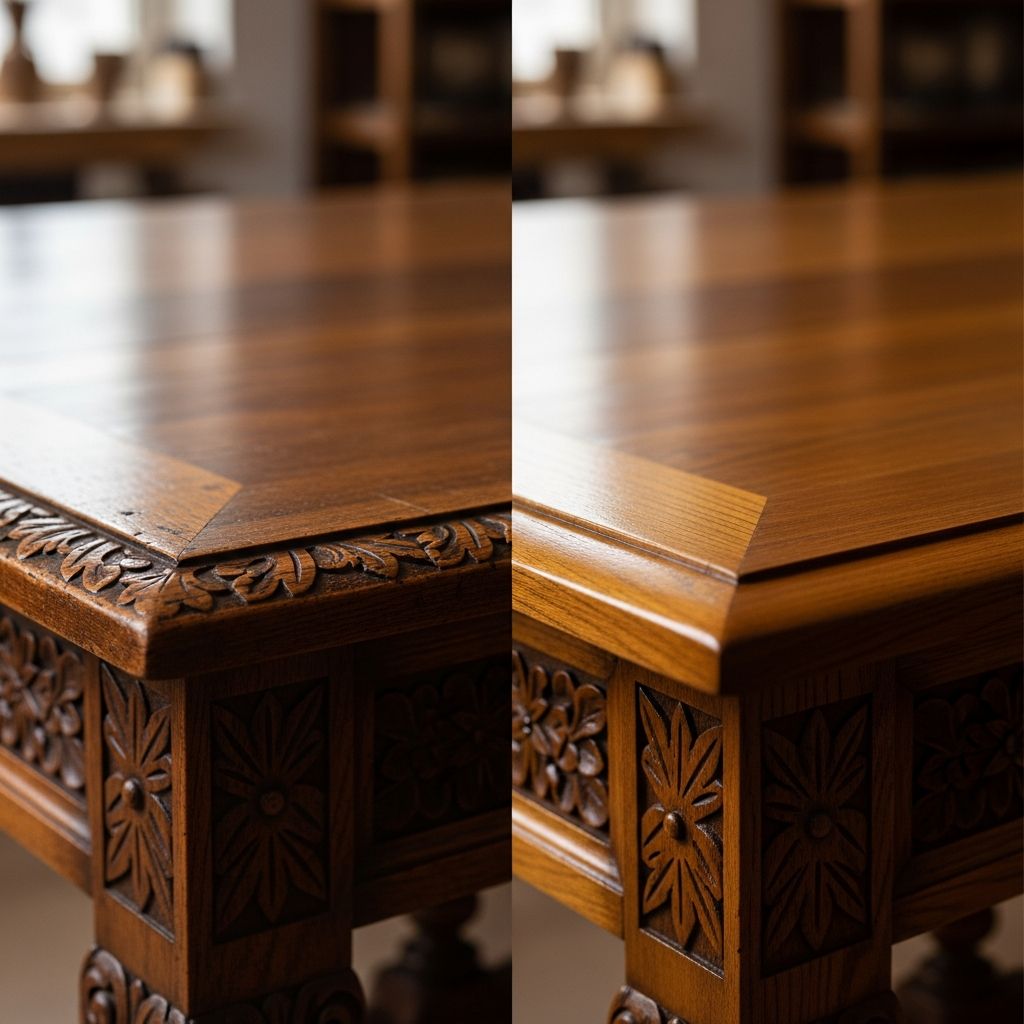
Old wooden furniture can add timeless charm to your home, but deciding whether to refinish it requires caution. Refinishing reveals the wood’s natural beauty but risks destroying an antique’s value if mishandled. This guide helps you identify valuable pieces, evaluate condition, and choose the right restoration path.
Why Refinishing Matters
Refinishing wooden furniture restores its appearance and protects the wood from further damage. However, for antiques—typically pieces over 100 years old—stripping original finishes can erase historical patina, drastically reducing monetary and sentimental value. Always assess before acting: is the piece structurally sound, or does it show signs of wear like peeling paint or watermarks? Proper evaluation prevents irreversible mistakes.
Common motivations for refinishing include updating styles, removing grime buildup, or repairing surface damage. Yet, rushing into DIY projects on potentially valuable items often leads to regret. Professionals recommend thorough inspection first, considering factors like wood type, joinery, and hardware.
Signs Your Furniture Might Be an Antique
Distinguishing antiques from everyday vintage pieces is crucial. Antiques hold collector value due to age, craftsmanship, and rarity. Look for these hallmarks:
- Hand-cut dovetails or mortise-and-tenon joints: Machine-made joints appear uniform; handmade ones are irregular, indicating pre-1830s construction.
- Solid wood construction: Antiques rarely use plywood or particleboard, common in mid-20th-century reproductions.
- Original hardware: Brass knobs or pulls with patina, not modern replacements.
- Wood grain and figure: High-quality hardwoods like mahogany, walnut, or oak with natural figuring.
- Labels or stamps: Maker’s marks from known periods, such as Chippendale or Victorian eras.
If multiple signs are present, research the piece’s style and era using reliable guides. Exposed wood showing intricate grain or unusual construction warrants professional appraisal before any refinishing.
Evaluate the Furniture’s Condition
Before deciding on refinishing, inspect thoroughly. Minor issues like surface scratches can often be addressed without full stripping, preserving patina.
| Condition Issue | Refinish? | Action |
|---|---|---|
| Peeling or flaking finish | Yes, if not antique | Strip and refinish; pros for valuables |
| Watermarks or rings | Possibly | Light sanding; avoid full strip |
| Sticky or uneven surface | Yes | Clean and refinish |
| Exposed raw wood | Yes | Protect immediately |
| Structural damage (loose joints) | No, repair first | Professional stabilization |
Extensive damage like fire or water warping may render refinishing futile. Assess functionality: does it serve its purpose? Even imperfect pieces can be saved with added features like new drawers. For antiques, patina— the aged glow from years of polishing—adds value; stripping it removes history.
Refinishing vs. Painting: Which to Choose?
Refinishing highlights the wood’s inherent beauty, ideal for quality pieces. Painting hides imperfections, suits modern decor, and offers color versatility but conceals original materials.
- Refinishing pros: Showcases grain, increases value if done right, durable long-term protection.
- Refinishing cons: Labor-intensive, risks value loss on antiques, reveals flaws.
- Painting pros: Covers damage, customizable, quicker for DIY.
- Painting cons: Hides wood quality, harder to reverse, may peel over time.
Choose refinishing for solid antiques; paint lesser pieces. Water-based finishes dry faster with less odor but require more coats; oil-based offer thicker coverage but fume heavily.
DIY Refinishing: Pros, Cons, and When to Skip It
DIY appeals for cost savings and personal satisfaction but demands skill.
DIY Pros
- Cost-effective: Save on labor, use savings for premium materials.
- Personal touch: Customize to your style.
- Learning experience: Great for non-valuable thrift finds.
DIY Cons
- Time-intensive: Sanding and finishing span weeks.
- Risk of damage: Harsh strippers or improper sanding ruin antiques.
- Tool costs: Quality sanders, strippers add up.
- Irreversible errors: Loss of patina devalues pieces.
DIY suits modern or damaged furniture. Steps include: clean, strip (use citrus-based for safety), sand progressively (80-220 grit, with grain), apply stain/sealant, and cure. Patience is key—90% effort in initial sanding.
When to Call a Professional
For antiques or complex repairs, hire experts. Pros preserve value using period-appropriate techniques, match original finishes, and stabilize structures.
- Signs for pros: Potential antique, valuable wood, intricate carvings, structural issues.
- Benefits: Expertise avoids pitfalls, warranty on work, appraisal services.
Expect higher costs but long-term value. Research restorers via antique societies for credentials.
Finish Options for Refinished Furniture
Choosing the right finish protects and enhances wood.
- Oil (e.g., Danish, tung): Penetrates deeply, natural feel; reapply periodically.
- Polyurethane (water/oil-based): Durable topcoat; water-based low-VOC, oil-based glossier.
- Lacquer: High gloss, fast-drying; spray for best results.
- Epoxy: Ultra-durable for tabletops, but tricky on curves.
Test on scraps. Water-based: quick dry (2hrs), no amber tint; oil-based: thicker coats, amber hue.
Frequently Asked Questions (FAQs)
Q: How do I know if my furniture is an antique?
A: Check for handmade joints, solid wood, original hardware, and maker marks. Consult an appraiser for confirmation.
Q: Is refinishing antiques ever okay?
A: Rarely DIY; professionals can match originals without stripping patina.
Q: What’s the best DIY finish for beginners?
A: Water-based polyurethane—easy cleanup, low odor, multiple thin coats.
Q: Can I paint over an antique?
A: Avoid if valuable; it hides identifying features and reduces resale potential.
Q: How long does refinishing take?
A: DIY: 1-4 weeks; pros: varies by piece complexity.
Preserving Your Furniture’s Future
Regular care prevents the need for full refinishing: dust gently, use coasters, avoid direct sun. With informed decisions, your wooden treasures will endure for generations. Balance sentiment, function, and value to choose wisely.
References
- How to Decide Whether You Should Refinish or Paint Your Old Furniture — Evolution Furniture Company. 2018-04-27. https://www.evolutionfc.com/2018/04/27/refinish-or-paint-old-furniturea
- Refinishing Old Furniture — Instructables. N/A. https://www.instructables.com/Refinishing-Old-Furniture/
- Antique Furniture Restoration: DIY vs. Hiring a Professional — Lanciaño Furniture. N/A. https://lancianofurniture.ca/antique-furniture-restoration-diy-vs-hiring-a-professional/
- Should You Refinish Antique Furniture? Pros, Cons, and Expert Advice — Scottland on Antiques. N/A. https://www.scottlandonantiques.com/blogs/news/should-you-refinish-antique-furniture-pros-cons-and-expert-advice
- What Goes into Antique Furniture Repair & Why It’s Worth It — Mumford Restoration. N/A. https://mumfordrestoration.com/blog/what-goes-into-antique-furniture-repair
Similar Articles








Read full bio of medha deb