Payment Apps: Expert Tips To Stop Parking Your Cash
Payment apps like Venmo and PayPal offer convenience but serious risks—experts warn against storing significant funds there for security and financial reasons.
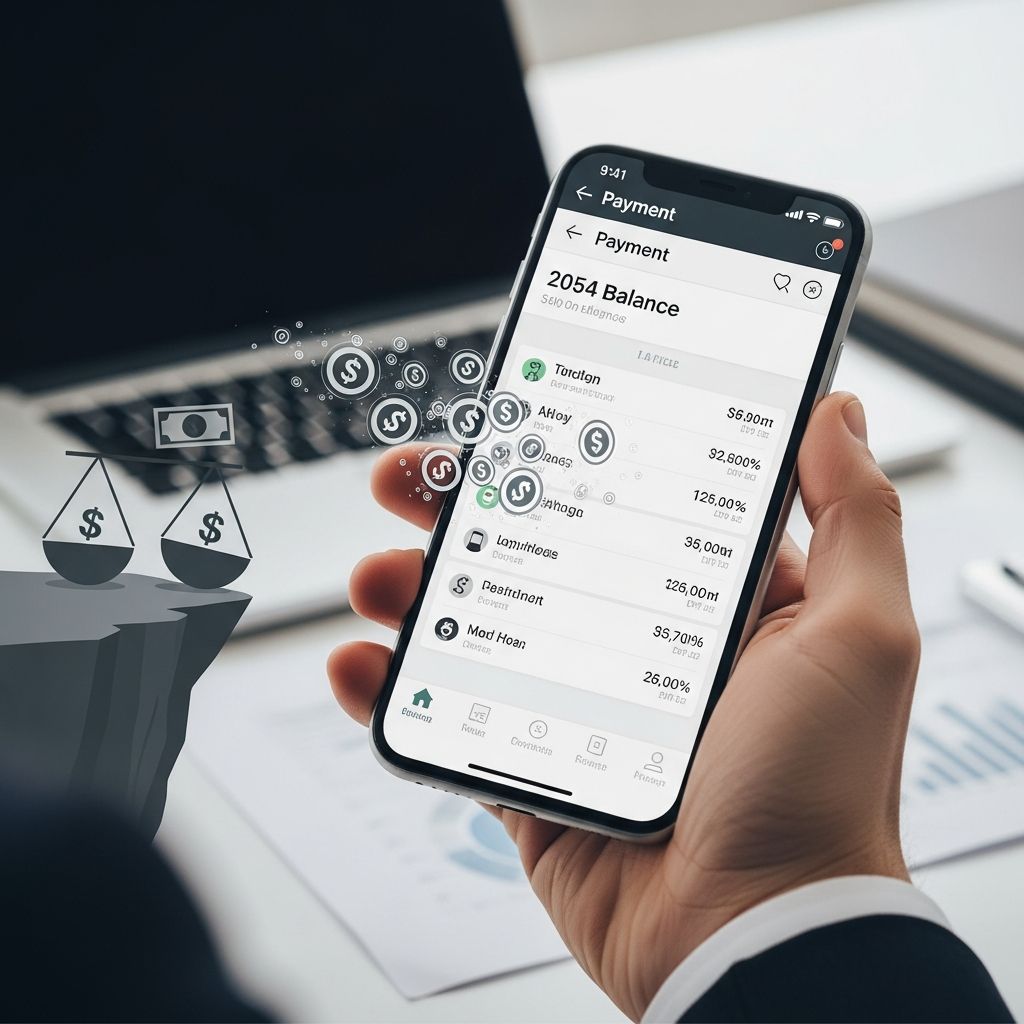
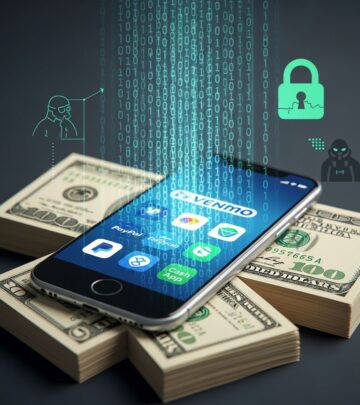
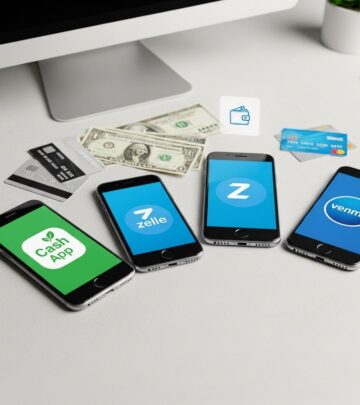
Payment apps have exploded in popularity, making it easier than ever to send money to friends, split bills, or pay for small purchases. Apps like Venmo, PayPal, Cash App, Zelle, and Apple Pay are household names, with more than three-quarters of U.S. adults reporting they’ve used one, according to Pew Research Center data. Transaction volumes are skyrocketing, projected by the Consumer Financial Protection Bureau (CFPB) to surge from $893 billion to $1.6 trillion by 2027. But amid this convenience lies a major pitfall: storing your money in these apps.
Financial experts, regulators, and even recent hacking victims are sounding the alarm. The federal government, through the CFPB, explicitly warns against parking significant funds in payment apps due to security gaps, lack of insurance, and opportunity costs. This article breaks down the key risks, real-world examples, best practices, and better alternatives to keep your money safe and growing.
Why Payment Apps Aren’t Built for Storing Money
Payment apps were designed for quick, peer-to-peer transactions—not as digital wallets or savings accounts. While they’re fantastic for sending $20 to a friend for dinner or receiving gig economy payments, they’re ill-equipped for holding larger balances. Here’s why experts like Sacramento-based financial specialist Shane Corea Fernandez urge users to treat them as transaction tools only.
- Convenience Over Security: Apps prioritize speed, which often means lighter security protocols compared to traditional banks. Hackers exploit this, as Fernandez learned firsthand when her account was breached via a merchant she’d used her digital card with.
- No Standard Protections: Unlike banks, payment apps don’t universally offer the same fraud safeguards or recovery processes. Getting money back after a hack can be a “nightmare,” Fernandez notes.
- Growing Scam Sophistication: In our digital world, scammers are more savvy than ever, targeting app users with phishing, malware, and account takeovers.
The CFPB highlights that funds in payment apps often lack insurance, leaving users exposed if the company fails or funds are stolen. In stark contrast, bank deposits are FDIC-insured up to $250,000 per depositor, per insured bank. This federal backstop provides peace of mind that no payment app can match.
The Security Risks: Hackers Love Payment Apps
Security breaches in payment apps are not rare horror stories—they’re increasingly common. Fernandez’s experience is emblematic: Hackers accessed her digital card through a third-party merchant, draining her Venmo balance before she could react. “It was pretty brutal,” she shared, emphasizing how quickly digital thieves operate.
Common attack vectors include:
- Phishing emails or texts mimicking the app to steal login credentials.
- Malware on devices that captures card details during transactions.
- Weak passwords or reused credentials across apps, enabling credential stuffing attacks.
- Merchant data breaches exposing linked payment info.
Recovery is arduous. While some apps like PayPal offer purchase protection, balances held in the app aren’t always covered the same way. Users must file claims, provide evidence, and wait—often weeks or months—while scammers spend freely. Banks, with robust fraud monitoring and instant alerts, offer faster resolutions and legal protections under federal law like Regulation E.
| Risk Factor | Payment Apps | Banks |
|---|---|---|
| FDIC Insurance | Usually none for balances | Up to $250,000 |
| Fraud Alerts | Basic notifications | Real-time AI monitoring |
| Recovery Time | Weeks to months | 10 business days max |
| Hack Prevalence | High (digital-first) | Lower (regulated) |
This table illustrates the stark differences. Data from the CFPB underscores that payment app vulnerabilities are a systemic issue, not isolated incidents.
Missed Earnings: No Interest in Payment Apps
Beyond security, keeping money in payment apps means forfeiting interest. Traditional balances earn nothing, while high-yield savings accounts (HYSAs) at online banks offer 4-5% APY as of 2026—potentially hundreds of dollars yearly on modest savings.
Some apps have stepped up: Cash App and PayPal now offer separate FDIC-insured HYSA products with competitive rates. However, these are opt-in features, often with limits or requirements like direct deposit. Most users leave funds idle in zero-interest wallets, unaware of the drag on their finances.
- Example: $5,000 at 4.5% APY earns $225/year in a HYSA vs. $0 in Venmo.
- Inflation Erosion: With inflation hovering around 2-3%, idle app cash loses purchasing power daily.
Financial advisors recommend sweeping app balances to banks weekly to capture earnings without sacrificing convenience.
What the Feds Say: CFPB’s Official Warning
The Consumer Financial Protection Bureau (CFPB), a key federal regulator, has issued clear guidance: Don’t store substantial money in payment apps. Their reports detail rising complaints about unauthorized transactions and disputes. Key points from CFPB:
“Funds stored on payment apps often lack [FDIC] insurance. In contrast, when you store your money in an FDIC-insured bank, you are protected from losses up to $250,000.”
CFPB data projects explosive growth in app usage, amplifying risks as more money flows through unsecured channels. They advocate for users to minimize balances and use apps transiently.
Real User Stories and Expert Advice
Shane Corea Fernandez keeps just $200 max in Venmo: “Definitely don’t want to park a large sum of money”. Her hacked account prompted immediate action—setting alerts, quick claims, and balance transfers.
Best practices from experts:
- Minimize Balances: Only load what you need for immediate transactions. Transfer out promptly.
- Enable Alerts: Get texts for every transaction, login, or unusual activity.
- Act Fast on Issues: Don’t wait—call support immediately if something’s off.
- Use Strong Security: Enable 2FA, unique passwords, and biometric logins.
- Link to Banks Wisely: Use debit over credit to limit exposure; monitor statements.
Users on forums echo these tips, with many swearing by weekly transfers to avoid overexposure.
Better Alternatives: Where to Park Your Cash
Move to FDIC-insured options for safety and growth:
- High-Yield Savings Accounts: Ally, Marcus by Goldman Sachs—5%+ APY, no fees, easy transfers.
- Checking Accounts: Capital One 360, SoFi—interest-bearing with app integration.
- Credit Unions: NCUA-insured equivalents, often with better rates.
Apps like these link seamlessly to Venmo/Zelle for P2P, combining the best of both worlds. Some payment apps’ own HYSAs (e.g., PayPal Savings) are viable if FDIC-passed through partner banks.
Frequently Asked Questions (FAQs)
Is money in Venmo FDIC-insured?
No, standard Venmo balances aren’t FDIC-insured. Only their separate cash-a-check or opted-in savings may qualify via partners.
What happens if my payment app is hacked?
You may recover via disputes, but it’s slower and less guaranteed than banks. Act immediately with alerts and claims.
Can I earn interest in Cash App?
Yes, Cash App offers a high-yield FDIC-insured savings option, but transfer idle funds there manually.
How much should I keep in payment apps?
Experts like Fernandez suggest $100-200 max for transactions only.
Are Zelle and Apple Pay safer?
Zelle pushes transactions bank-to-bank (safer), but stored Apple Cash lacks full FDIC unless in savings.
Take Action Today: Protect Your Money
Payment apps revolutionized money movement, but they’re no substitute for secure banking. Review your app balances now—transfer excesses to an FDIC-insured HYSA, enable all alerts, and use apps mindfully. Your future self (and wallet) will thank you. With transaction volumes set to double by 2027, proactive habits are essential.
References
- Consumer Financial Protection Bureau (CFPB) Report on Payment Apps and Digital Wallets — CFPB (Primary federal regulator). 2025-2026. https://www.consumerfinance.gov/data-research/research-reports/
- Pew Research Center Survey on Payment App Usage — Pew Research Center (.edu affiliated). 2024-09-15. https://www.pewresearch.org/short-reads/2024/09/15/
- FDIC Insurance Overview — Federal Deposit Insurance Corporation (.gov). 2026-01-01. https://www.fdic.gov/resources/deposit-insurance/
- Payment App Security Risks and Best Practices — Federal Trade Commission (FTC .gov). 2025-11-20. https://consumer.ftc.gov/articles/protect-your-money-payment-apps
- High-Yield Savings Trends 2026 — Federal Reserve Economic Data (FRED .gov). 2026-01-10. https://fred.stlouisfed.org/series/
Similar Articles








Read full bio of medha deb