Don’t Get Taken: How to Evaluate an Exchange Rate
Master evaluating exchange rates to avoid hidden fees and poor deals when traveling or transferring money abroad.
You need cash for your trip abroad, but make sure that exchange rate is fair before you make the deal with your bank, airport kiosk, or local currency exchange. Poor exchange rates can significantly inflate your travel costs or international transfer expenses. This guide breaks down everything you need to know about understanding, evaluating, and securing the best rates.
What Is an Exchange Rate?
An
exchange rate
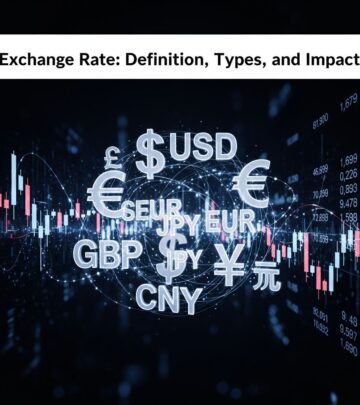
represents the value of one currency in terms of another. It fluctuates constantly due to a wide range of factors, from macroeconomic trends like inflation and interest rates to political events and large-scale trades by institutions. For everyday users, the key is distinguishing the truemid-market rate
—the real-time rate between banks and financial institutions—from the marked-up rates offered to consumers.Currency pairs, such as
EUR/USD
, show how much of the second currency (USD) is needed to buy one unit of the first (EUR). These rates are quoted as either the amount you’ll receive (selling your currency) or pay (buying foreign currency). Understanding this baseline is crucial before evaluating any offer.How Exchange Rates Are Determined
Exchange rates are set by the
foreign exchange (forex) market
, the world’s largest financial market with trillions traded daily. Supply and demand drive these rates: high demand for a currency strengthens it, while oversupply weakens it. Central banks intervene through policies like interest rate adjustments or quantitative easing, impacting global values.Other influences include:
- Economic indicators: GDP growth, employment data, and inflation reports.
- Political stability: Elections, trade wars, or geopolitical tensions.
- Speculation: Traders betting on future movements based on news.
- High-value trades: Large institutional orders that temporarily shift rates.
For travelers or remitters, these forces mean rates change hourly—always check live quotes.
Finding the Real Mid-Market Rate
The
mid-market rate
is the purest exchange rate, averaging bid (sell) and ask (buy) prices without provider markups. It’s what Google, XE.com, or Reuters display when you search a pair like “GBP to EUR”.Steps to find it:
- Search Google for the currency pair (e.g., “EUR/USD”).
- Use trusted converters like OANDA, Bloomberg, or central bank sites (e.g., ECB.europa.eu for EUR rates).
- Avoid airport or hotel displays—they’re often outdated or inflated.
Example: If GBP/EUR shows 1.19, £1 buys €1.19 at mid-market. Banks rarely match this exactly.
Why You Rarely Get the Mid-Market Rate
Banks, ATMs, and exchange kiosks add a
spread
—the gap between buy and sell rates—to profit. This can be 3-7% or more, especially at airports (up to 15%). PayPal or credit card foreign transaction fees add another layer, often 3% flat.Factors widening spreads:
- Location: Airports and tourist spots charge premiums for convenience.
- Amount: Small exchanges (<$500) have higher relative fees.
- Currency pair: Exotic pairs (e.g., USD to THB) have wider spreads than majors like USD/EUR.
- Timing: Weekends or holidays see less liquidity, bigger markups.
Always compare the offered rate to the mid-market snapshot taken at the same time.
Step-by-Step: How to Evaluate an Offered Rate
To spot if you’re getting ripped off, calculate the
markup percentage
. Here’s how:- Find mid-market rate: Note GBP/EUR = 1.19.
- Get provider’s rate: Bank quotes 1.13.
- Calculate difference: 1.19 – 1.13 = 0.06.
- Markup %: (0.06 / 1.19) × 100 = 5.04%.
A 1-2% markup is acceptable for cash; over 3% screams overcharge.
Quick Calculation Table
| Mid-Market Rate | Offered Rate | Difference | Markup % | Good Deal? |
|---|---|---|---|---|
| 1.19 GBP/EUR | 1.18 | 0.01 | 0.84% | Yes |
| 1.19 GBP/EUR | 1.13 | 0.06 | 5.04% | No |
| 1.30 USD/EUR | 1.22 | 0.08 | 6.15% | No |
Use apps like Wise or XE for instant comparisons.
Common Places to Exchange and Their Pitfalls
Banks: Convenient but 2-5% spreads; pre-order foreign cash online for better rates.
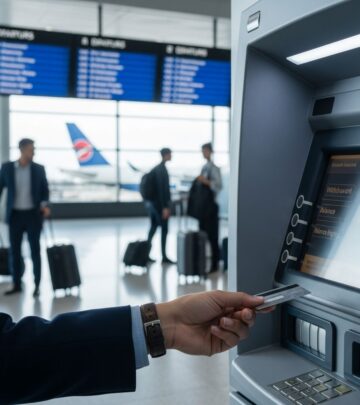
Airports: Worst offender—up to 15% markup plus commissions.
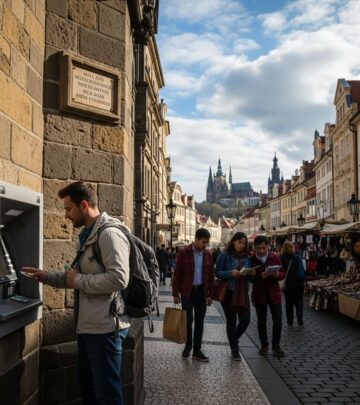
ATMs abroad: Dynamic currency conversion (DCC) tempts with home rates; always refuse and pay local.
Currency kiosks: Check rates vs. mid-market; haggle if possible.
Credit cards: 0-3% foreign fees; choose no-fee cards like Capital One.
Smart Strategies for Better Rates
- Use transfer services: Wise, Revolut offer mid-market with low fees (0.4-1%).
- Order online: Banks like Chase give better walk-in rates if pre-ordered.
- ATMs wisely: Use fee-free networks (e.g., Charles Schwab) and withdraw large amounts.
- Multi-currency accounts: Hold balances in destination currency to avoid conversion.
- Avoid DCC and cash advances.
For transfers, services beat banks: Wise is 6x cheaper, using true mid-market.
Example Scenarios: Real-World Calculations
Scenario 1: UK Pensioner in Spain
£400 pension, EUR/GBP = 0.84 (1 EUR = £0.84).
€ needed: £400 / 0.84 ≈ €476. No markup = fair.
Scenario 2: Rent Payment
€500 rent, reverse: €500 × 0.84 = £420.
If bank marks up to 0.89: €500 × 0.89 = £445 (6% extra loss).
Tools and Apps for Monitoring Rates
- Google/Apple Stocks: Live pairs.
- XE Currency: Alerts for best rates.
- Wise app: Real-time quotes, transfers.
- Bank apps: Compare their rates side-by-side.
Set rate alerts to time exchanges.
Frequently Asked Questions (FAQs)
What is the mid-market exchange rate?
The mid-market rate is the midpoint between global buy/sell prices, free of retail markups—check via Google or Wise.
How much markup is normal for cash exchange?
0.5-2% for banks/online; avoid anything over 3%, especially at airports.
Should I exchange money before travel?
Yes, small amount ($100) for emergencies; use ATMs for rest with good cards.
What’s Dynamic Currency Conversion (DCC)?
A scam where merchants charge in your home currency at poor rates—always choose local currency.
Is Wise better than my bank for transfers?
Yes, mid-market rate + low transparent fees vs. banks’ 4-6% total cost.
Final Tips to Never Get Taken
Always verify against mid-market, calculate markups, and opt for digital services. Small vigilance saves hundreds on trips or transfers. Promote financial literacy by sharing these steps.
References
- How to read and calculate exchange rates? — Wise. 2023-10-15. https://wise.com/us/blog/calculate-exchange-rate
- Don’t Get Taken: How to Evaluate an Exchange Rate — Wise Bread. 2010-06-01. https://www.wisebread.com/dont-get-taken-how-to-evaluate-an-exchange-rate
- Foreign Exchange Rates — European Central Bank. 2026-01-12. https://www.ecb.europa.eu/stats/policy_and_exchange_rates/euro_reference_exchange_rates/html/index.en.html
- Currency Converter — XE.com. 2026-01-12. https://www.xe.com/currencyconverter/
- Consumer Financial Protection: Foreign Currency Exchange — U.S. Federal Reserve. 2024-05-20. https://www.federalreserve.gov/publications/files/foreign-exchange-202405.pdf
Similar Articles








Read full bio of Sneha Tete