How to Donate Plasma for Money: A Complete Guide
Earn $50–$1,000 monthly by donating plasma. Learn requirements, payment, and top centers.
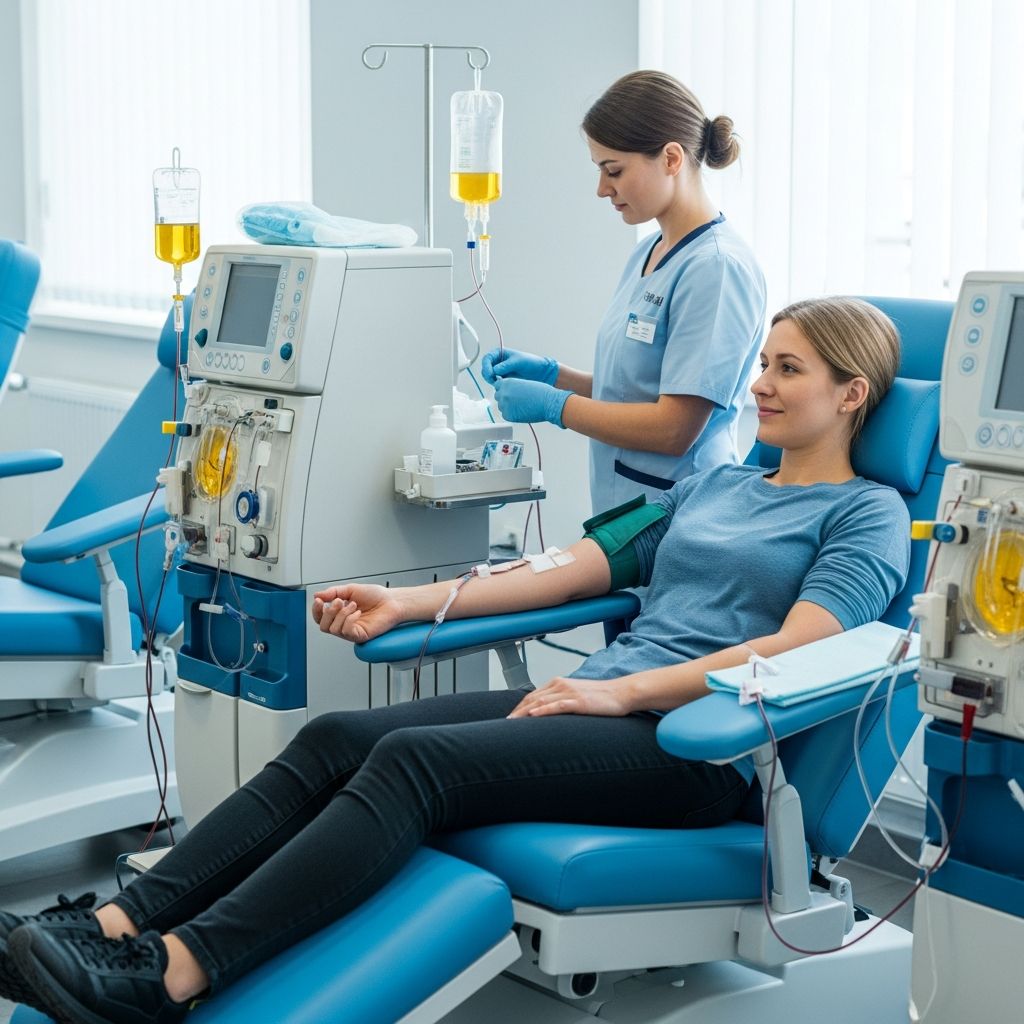
Donating plasma is one of the easiest ways to earn extra income without a traditional job. Unlike whole blood donation, which is typically unpaid, plasma donation is compensated because the process is more complex and time-consuming. The separation of plasma from blood requires specialized equipment and trained medical personnel, making it a valuable contribution to the medical field.
If you’re looking to earn between $50 and $1,000 per month, plasma donation could be your answer. This comprehensive guide covers everything you need to know about getting paid to donate plasma, from eligibility requirements to maximizing your earnings.
Is Plasma Donation Paid?
Yes, plasma donation is paid compensation. This stands in sharp contrast to traditional blood donation, which is generally offered on a voluntary, unpaid basis. Commercial plasma centers compensate donors to account for their time and commitment. The compensation structure varies by center and location, but most donors can expect to earn between $30 and $70 per donation session.
The reason plasma donation is compensated relates to the complexity of the plasmapheresis process. During plasmapheresis, blood is drawn from your body, plasma is separated using specialized equipment, and the remaining blood components (red blood cells, white blood cells, and platelets) are returned to your body. This process takes significantly longer than whole blood donation and requires more medical oversight.
Eligibility Requirements for Plasma Donors
Before you can start earning money from plasma donations, you must meet specific eligibility criteria. While requirements may vary slightly between donation centers, most follow these general guidelines:
Basic Donor Requirements
- Be between 18 and 70 years old
- Weigh at least 110 pounds
- Be in overall good health
- Pass a medical exam and comprehensive health screening
- Have valid government-issued photo identification
- Provide proof of Social Security number
- Have proof of permanent residency (if applicable)
Tattoo and Piercing Guidelines
Good news for those with tattoos and piercings: plasma centers do accept donors with body modifications. However, timing matters. If you recently received a tattoo or piercing, you’ll need to wait 4 to 12 months before donating plasma. This waiting period ensures your body has fully healed and reduces infection risk.
Medical Screening Process
During your first visit, you’ll undergo a thorough medical examination that includes checking your vital signs, reviewing your complete medical history, and answering detailed health questionnaires. Centers want to ensure you’re healthy enough to donate safely and that your plasma meets quality standards for therapeutic use.
The Plasma Donation Process
Understanding what happens during the donation process helps you prepare mentally and physically. Here’s what to expect:
First Donation Timeline
Your first plasma donation typically takes at least two hours. This extended time accounts for the initial medical screening, paperwork completion, health history review, and the actual donation process. Plan accordingly and bring items to keep yourself entertained, such as books, phones, or music devices.
Subsequent Donations
After your first donation, subsequent visits generally take about one hour. You’ll still undergo some screening, but it’s streamlined since your medical history is already on file. Regular donors can typically donate plasma twice per week (with specific waiting periods between donations).
The Donation Procedure
The actual plasmapheresis procedure involves a trained phlebotomist inserting a needle into your arm. Blood flows through specialized equipment that separates the plasma from other blood components. The remaining blood cells and platelets are returned to your body through the same needle or a second needle in your other arm. This separation process takes 1 to 2 hours depending on your weight, protein levels, and plasma volume.
Pre-Donation Tips
To ensure a smooth donation experience and maximum compensation eligibility, follow these preparation guidelines:
- Stay well-hydrated by drinking plenty of water 24 hours before donation
- Eat a healthy, protein-rich meal before your appointment
- Avoid fatty foods, which can affect plasma quality
- Get adequate sleep the night before
- Wear comfortable clothing with loose sleeves for easy needle access
- Bring valid photo identification and required documentation
- Bring items to occupy yourself during the donation
Plasma Donation Compensation: How Much Can You Earn?
Compensation for plasma donation varies significantly depending on your location, the specific donation center, donor status, and current promotions. Understanding the payment structure helps you maximize your earnings.
Typical Payment Ranges
Most plasma donors earn between $30 and $70 per donation session. However, new donors often receive higher compensation for initial donations as an incentive to establish a regular donation routine. Experienced donors who donate twice weekly can earn $300 to $400 monthly, while frequent donors may make up to $1,000 per month.
Major Plasma Center Compensation Breakdown
| Plasma Center | First Donation | Subsequent Donations | Bonuses & Incentives |
|---|---|---|---|
| PlasmaSource | $50 | $60–$70 | Up to $200 bonus for 8 donations within 56 days; $240 for platelet donations |
| BioLife Plasma | Variable | Variable | Bonuses and first-time donor promotions available |
| DB Plasma | $50–$100 | Up to $100 | Bonus for donating twice in one calendar week |
| Grifols/CSL Plasma | $50–$100 | Up to $100 | $10 minimum if donation cannot be used; loyalty bonuses |
| Red Cross (Specialized Program) | $50 prescreen | Up to $350 | Based on specific collection type and program participation |
New Donor Promotions
Most plasma centers offer generous new donor bonuses to encourage first-time donors. For example, PlasmaSource offers new donors the opportunity to earn more than $700 for their first 8 donations. These promotions typically involve higher payments for initial donations and completion bonuses if you donate within specific timeframes (usually 30–56 days).
Platelet Donation Premium Pay
If you qualify for platelet donation (which requires specific characteristics and additional screening), you can earn significantly more. Platelet donors earn approximately $240 per donation, making it the highest-paying donation type since platelets are in high demand for medical treatments.
Payment Methods and Timing
Understanding how and when you receive payment is crucial for planning your finances. Most plasma centers use the following payment methods:
Debit Card Payments
BioLife and most other major plasma centers compensate donors using a reloadable debit card. After each successful donation, your compensation is loaded directly onto this card, typically within 24 hours. This method provides convenient access to your earnings without requiring a trip to cash a check.
Payment Timing
Compensation is processed quickly after donation completion. Most centers deposit funds within one day of your donation. If you don’t receive payment within 24 hours, contact your local center or customer service to inquire about the delay.
Bonus Payments
Completion bonuses and promotional incentives are also loaded to your debit card. Make sure to meet the specific requirements (such as completing donations within a set timeframe) to qualify for these additional earnings.
Plasma Donation Frequency and Maximum Earnings
Federal regulations limit how frequently you can donate plasma to protect your health. Most centers allow qualified donors to donate plasma twice per 7-day period, with at least 48 hours between donations. This means you can potentially donate 104 times per year if you maintain a regular schedule.
At maximum frequency, donating twice weekly at $60–$100 per donation could generate $6,240 to $10,400 annually, though most regular donors earn between $300 and $400 monthly by donating once or twice weekly.
Tax Implications of Plasma Donation Income
One significant advantage of plasma donation is the tax treatment. Most plasma centers do not issue tax documents (such as 1099 forms) for plasma donation compensation. This is because the payments are typically considered reimbursement for your time and effort rather than taxable income in many jurisdictions.
However, tax laws vary by location and individual circumstances. If you earn significant income from plasma donation, consult with a tax specialist to understand your specific tax obligations, as they know your complete financial situation and local tax requirements.
Frequently Asked Questions About Plasma Donation
Q: How long does the plasma donation process take?
A: Your first donation typically takes at least two hours, including medical screening and paperwork. Subsequent donations usually take about one hour, with the actual plasmapheresis process lasting 1–2 hours depending on individual factors.
Q: Can I donate plasma if I have tattoos or piercings?
A: Yes, plasma centers accept donors with tattoos and piercings. However, you must wait 4–12 months after getting a tattoo or piercing before donating to ensure complete healing.
Q: What’s the maximum I can earn monthly from plasma donation?
A: Regular donors can earn $300–$400 monthly by donating twice weekly, while frequent donors may make up to $1,000 per month depending on center-specific compensation and promotions.
Q: How often can I donate plasma?
A: Qualified donors can donate plasma twice per 7-day period, with at least 48 hours between donations. This allows up to 104 donations annually.
Q: Do I need to pay taxes on plasma donation income?
A: Most plasma centers don’t issue tax documents for donation compensation as it’s typically considered time reimbursement. However, consult a tax specialist about your specific situation.
Q: What if my donation cannot be used?
A: Many centers still compensate you, typically offering a minimum payment of $10 if your donation doesn’t meet quality standards due to volume, hyperlipidemia, or excessive red blood cells.
Q: How is payment received?
A: Most centers use a reloadable debit card for compensation, with funds typically deposited within 24 hours of your donation.
Getting Started with Plasma Donation
To begin earning money from plasma donation, locate a plasma center near you and schedule your initial appointment. During your first visit, bring valid photo identification, proof of Social Security number, and proof of residency. Complete the medical screening and health questionnaire, and if you pass all requirements, you can donate immediately.
Many plasma centers are conveniently located near public transportation and offer flexible scheduling to accommodate work and personal commitments. New donors should start by researching local centers, comparing compensation offers, and understanding their specific requirements and policies.
Plasma donation offers a legitimate way to earn supplemental income while helping patients who depend on plasma-derived therapies. With proper preparation, regular donations, and awareness of available bonuses, plasma donation can contribute meaningfully to your monthly finances.
References
- Plasma Donor Compensation: What You Need to Know — BioLife Plasma. 2025. https://www.biolifeplasma.com/blog/plasma-donor-compensation
- How Much Do You Get for Donating Plasma? — PlasmaSource. 2025. https://www.plasmasource.org/get-paid/get-paid
- Compensation — DB Plasma. 2025. https://dbplasma.com/donors/compensation/
- How Much Can You Really Make from Donating Plasma? — ABO Plasma. 2025. https://aboplasma.com/how-much-can-make-from-donating-plasma/
- Give Plasma — U.S. Department of Health and Human Services. 2025. https://www.hhs.gov/oidp/topics/blood-tissue-safety/giving-plasma/index.html
- Specialized Donor Program — American Red Cross. 2025. https://www.redcrossblood.org/donate-blood/dlp/specialized-donor-program.html
- Honorarium — Grifols. 2025. https://giveplasma.ca/donors/compensation/
Similar Articles








Read full bio of Sneha Tete