Does Zero Credit Utilization Boost Your Score?
Explore if keeping 0% credit utilization truly optimizes your credit score or if some activity is better for long-term financial health.
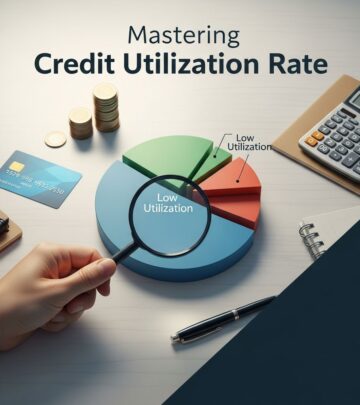
Credit utilization represents the portion of available revolving credit currently in use, serving as a key determinant in credit scoring models like FICO and VantageScore. While maintaining low utilization generally supports higher scores, achieving exactly 0% may not provide the maximum benefit and could even signal limited credit activity to lenders. Optimal management involves balancing usage to demonstrate responsible credit handling without overextension.
Understanding Credit Utilization Fundamentals
Credit utilization ratio calculates as (total balances ÷ total credit limits) × 100. For instance, with $300 owed across $1,000 limits, utilization stands at 30%. This metric falls under “amounts owed,” comprising 30% of FICO scores and influencing VantageScore similarly.
Lenders interpret low ratios as signs of financial discipline, indicating capacity to manage additional debt responsibly. Conversely, high ratios suggest risk of default, potentially lowering scores significantly. Unlike payment history (35% of FICO), utilization impacts scores rapidly upon reporting changes.
Optimal Utilization Levels for Maximum Scores
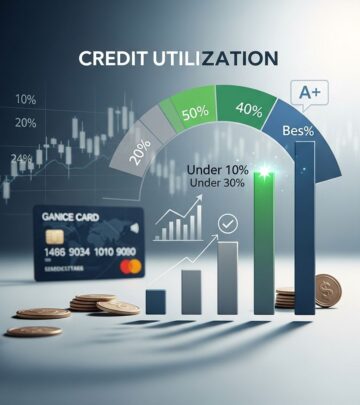
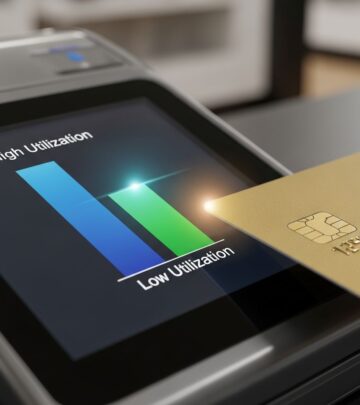
Experts consistently advise keeping overall and per-account utilization under 30% for strong scores. However, aiming for 1-10% often yields superior results, showcasing credit access without heavy reliance.
| Utilization Range | Score Impact | Recommendation |
|---|---|---|
| 0-10% | Excellent | Ideal for top scores |
| 11-30% | Good | Acceptable, monitor closely |
| 31-50% | Fair | Potential negative effect |
| 51-70% | Poor | Caution advised |
| 71%+ | Very Poor | Serious score damage |
Data from scoring models shows FICO 8 particularly sensitive to high per-card utilization, even if overall remains low. VantageScore 4.0 and FICO 10T incorporate utilization trends over time.
Is Zero Utilization the Best Strategy?
A 0% ratio avoids overextension risks but may not optimize scores. Some models view no activity as insufficient credit management proof, especially with thin files. Low but positive usage (under 10%) better demonstrates revolving credit handling.
- Zero utilization prevents negative impacts from balances.
- Lacks demonstration of repayment ability on revolving accounts.
- Best for those rebuilding after high debt.
- May limit score potential compared to minimal responsible use.
High single-card utilization harms more than spread-out high overall, per FICO analysis. Newer models track monthly trends, rewarding consistent low usage.
Overall vs. Individual Account Utilization
Overall utilization aggregates all revolving accounts; individual measures each separately. Both influence scores, with highest individual rate carrying extra weight.
Example: Three cards ($500, $1,000, $2,000 limits) with $50, $200, $100 balances yield overall 15% ($350/$3,500) but 20% max individual. Keeping all under 30% optimizes.
Fast Impact of Utilization Changes
Most models use latest reported data, enabling quick score boosts via timely payments before statement closing. Paydown effects appear within 30 days of bureau reporting. High utilization persists as damage until updated.
Trended models (VantageScore 4.0, FICO 10T) analyze 12-24 month patterns, where sudden spikes hurt more.
Proven Strategies to Optimize Utilization
- Pay balances before statements close: Reduces reported balances without affecting available credit.
- Request credit limit increases: Lowers ratio if spending stable (avoid if risking more spending).
- Add revolving accounts responsibly: Diversifies limits, but new credit inquiries may temporarily dip scores.
- Automate payments: Ensures on-time history while managing utilization.
- Monitor via free tools: Track ratios monthly.
Avoid closing old accounts post-payoff, as this shrinks total limits and raises ratios.
Common Myths About Credit Utilization
- Myth: Maxing cards once then paying off helps scores. No—reported high utilization damages before paydown.
- Myth: Utilization matters less than payments. Second-most weighted factor after payments.
- Myth: 0% is always best. Low positive use often superior.
- Myth: Only overall matters. Per-account critical too.
Utilization for Different Credit Profiles
Building credit: Minimal use on secured cards shows responsibility without risk.
Excellent credit: Maintain 1-9% spread across cards leverages history strength.
High debt recovery: Prioritize paydown to <30%, then optimize lower.
Thin files amplify utilization effects; multiple accounts mitigate.
Tools and Monitoring Best Practices
Free weekly reports from AnnualCreditReport.com and services like Credit Karma provide utilization snapshots. Set alerts for 25% thresholds. Apps track spending to prevent creep.
Frequently Asked Questions
Can high utilization hurt scores long-term?
Yes, until new lower balances report; trended models extend impact.
Does paying in full monthly count as 0%?
If reported post-payment, yes—but aim low positive for optimal.
How many cards ideal for utilization?
3-5 revolving accounts balance mix without overapplying.
Does utilization affect mortgage approvals?
Absolutely; lenders scrutinize for debt-to-income alongside scores.
Can I improve score without spending?
Limit increases or new accounts help, but activity demonstrates use.
Long-Term Financial Wellness Integration
Pair utilization management with budgeting, emergency funds. Low ratios unlock better rates on loans, cards—saving thousands long-term. Consistent habits build generational wealth.
Utilization mastery empowers financial freedom, proving reliability to lenders while preserving liquidity.
References
- How Does Credit Utilization Affect Your Credit Score? — Centier Bank. 2023. https://www.centier.com/resources/articles/article-details/how-does-credit-utilization-affect-your-credit-score
- Understanding Credit Utilization: How it impacts your score — Lafayette Federal Credit Union. 2024. https://www.lfcu.org/news/managing-money-credit/understanding-credit-utilization-how-it-impacts-your-score/
- What is credit card utilization and how does it affect your credit scores? — Credit Karma. 2025-03-15. https://www.creditkarma.com/credit/i/credit-card-utilization-and-your-credit-score
- What Is a Credit Utilization Rate? — Experian. 2025-02-20. https://www.experian.com/blogs/ask-experian/credit-education/score-basics/credit-utilization-rate/
- Everything You Need To Know About Credit Utilization Ratio — Bankrate. 2025-01-10. https://www.bankrate.com/credit-cards/advice/credit-utilization-ratio/
- What Is a Credit Utilization Ratio? — Equifax. 2024-11-05. https://www.equifax.com/personal/education/debt-management/articles/-/learn/credit-utilization-ratio/
Similar Articles








Read full bio of medha deb