Does Your House Suck? Here’s How to Sell It Anyway
Struggling to sell a problematic property? Discover proven strategies to highlight strengths, fix flaws affordably, and attract buyers fast.

Your home has been on the market for months with no bites. Open houses are ghost towns, and showings are rare. You wonder if it’s time to pull the listing or slash the price. Before you despair, consider this: even homes with significant drawbacks can sell. The key lies in strategic adjustments that make your property irresistible to the right buyer. This comprehensive guide draws from real estate expertise to walk you through proven steps, ensuring your ‘sucky’ house finds a buyer without major overhauls.
Assess the Situation
The first step in selling a challenging property is a brutally honest evaluation. Why isn’t your house selling? Common culprits include overpricing, poor presentation, location stigma, or visible defects like outdated kitchens or structural quirks. Start by reviewing feedback from showings. Buyers’ agents often note issues such as cluttered spaces, strong odors, or dated decor. If feedback is scarce, consult your realtor for a comparative market analysis (CMA). This data-driven approach reveals how your home stacks up against recent sales in the neighborhood.
Examine listing photos critically—blurry images or poor lighting can deter clicks. Check online reviews of your property on sites like Zillow or Redfin. Negative comments about peeling paint or overgrown yards signal urgent fixes. According to the National Association of Realtors (NAR), homes with professional staging and photography sell 73% faster on average. Document everything in a checklist: structural issues (roof leaks, foundation cracks), cosmetic flaws (carpet stains, chipped walls), and market factors (proximity to busy roads or poor schools).
- Price Check: Is your asking price aligned with comps? Overpriced listings linger 50% longer.
- Condition Audit: Walk through as a stranger—note odors, clutter, and first impressions.
- Market Timing: Spring and summer see higher buyer traffic; winter sales require aggressive pricing.
Armed with this assessment, prioritize high-impact, low-cost changes. This prevents emotional decisions and focuses efforts on what moves the needle.
Find the Positives
Every home, no matter how flawed, has redeeming qualities. Shift focus from negatives to assets that appeal to specific buyers. A spacious yard might attract families despite an old roof. Proximity to amenities like parks or transit can outweigh interior datedness. Highlight these in your listing description: ‘Charming 3-bed with oversized lot perfect for gardeners—minutes from top schools!’
Conduct a feature inventory. Measure square footage accurately—many buyers overlook gems in basements or attics. Test appliances and systems; working HVAC or a newer water heater is gold. Emphasize unique selling points (USPs) like hardwood floors under carpet or a flexible floorplan for home offices, especially post-pandemic. Use virtual tours to showcase positives dynamically.
| Common Negatives | Positive Spin |
|---|---|
| Outdated Kitchen | Ample cabinet space and eat-in area for updates |
| Small Bedrooms | Cozy nooks ideal for nurseries or offices |
| Busy Street Location | Walkable to shops, cafes, and public transit |
| No Garage | Extra off-street parking and landscaped front yard |
Rephrase your listing to lead with positives. NAR data shows listings with benefit-oriented descriptions get 49% more views. Target investor buyers for fixer-uppers by noting ‘great bones for renovation enthusiasts.’
Keep It Clean and Tidy
Immaculate presentation is non-negotiable. Clutter and dirt scream neglect, turning off 90% of buyers who form opinions in the first 30 seconds. Deep clean every surface: scrub grout, polish fixtures, and steam carpets. Eliminate odors—pet smells, smoke, or mildew—with ozone machines or baking soda. Declutter ruthlessly: box up 50% of furniture and personal items. Rent a storage unit if needed; empty homes show space better.
Daily maintenance is crucial during showings: make beds, wipe counters, and hide trash. Hire professionals for window washing and power washing exteriors—curb appeal boosts offers by 7%, per HomeLight studies. Stage neutrally: fresh towels, vases of flowers, and depersonalized walls help buyers envision themselves there.
- Vacuum and dust all rooms twice weekly.
- Declutter closets and cabinets to show storage potential.
- Bake cookies pre-showing for inviting scents (avoid heavy cooking smells).
- Mow lawn, edge walks, and add mulch for instant polish.
A tidy home signals care, making minor flaws forgivable and speeding sales.
Find Out What It’s Missing
Buyers crave turnkey homes with modern must-haves. Audit against current trends: open floorplans, granite counters, smart thermostats, energy-efficient windows. If missing, low-cost swaps like LED lighting or fresh hardware yield big returns. Research local buyer preferences via Redfin data or agent insights—millennials prioritize home offices; families want fenced yards.
Prioritize ROI fixes:
- High-Impact: Paint neutral colors ($500–$2,000), new lighting ($200+).
- Mid-Tier: Update bathrooms with new vanities, faucets ($1,000–$3,000).
- Avoid: Full remodels unless comps demand it—ROI drops below 60%.
Remodeling Magazine’s 2024 Cost vs. Value report shows minor kitchen updates recoup 70–80% at sale. Disclose issues upfront via seller disclosures to build trust and filter serious buyers.
Get Out
Sellers lingering during showings intimidate buyers, who need space to poke around. Vacate premises fully—take pets, kids, and yourself out. Leave lights on, soft music playing, and agents with keys. ‘Vacant showings’ increase offer likelihood by 20%, per NAR. If moving is tough, stage an open house when you’re away.
Notify neighbors discreetly to minimize traffic issues. Use lockboxes for agent access. This freedom lets buyers linger, fall in love, and envision changes without pressure.
Relist
Fresh listings get top billing on MLS and portals. After 30–60 days stale, pull and relist with upgrades: new photos, revised description, virtual tour. Time it for peak traffic—Fridays or weekends. Offer incentives like closing cost help or home warranties to sweeten deals. A relisted home can see 161% more views in week one.
Switch agents if needed, but communicate changes clearly. Track metrics: views, saves, showings to refine further.
Drop the Price
If all else fails, price reflects reality. Reduce by 5–10% below comps to spark activity. Stage reductions: 2% week one, more if quiet. Price ‘right’ attracts multiple offers and bidding wars. Zillow analysis shows right-priced homes sell in 2 weeks vs. 3+ months for overpriced ones.
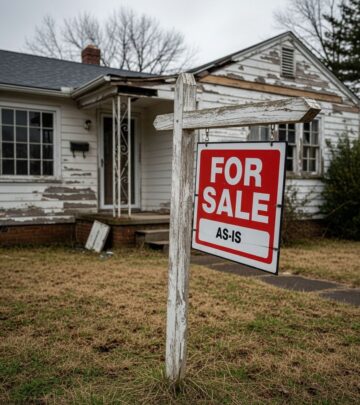
Consider investor offers or ‘as-is’ sales. In hot markets, even flawed homes move with sharp pricing.
Frequently Asked Questions (FAQs)
Q: How long is too long for a listing to be ‘stale’?
A: Typically 30–60 days, depending on market heat. Relist then to reset visibility.
Q: Should I fix major issues like a leaky roof?
A: Minor patches yes; disclose big ones and credit buyers at closing to save upfront costs.
Q: What’s the best staging budget for a tough sell?
A: 1–3% of list price—focus on curb appeal, kitchen, baths for max ROI.
Q: Can I sell without a realtor?
A: FSBO works but sells 20% slower; agents net higher prices via networks and negotiation.
Q: How do I handle lowball offers?
A: Counter strategically, highlighting recent comps and upgrades to justify value.
References
- 2024 Cost vs. Value Report — Remodeling Magazine. 2024-01-15. https://www.remodeling.hw.net/cost-vs-value/2024/
- Profile of Home Staging — National Association of Realtors. 2023-07-10. https://www.nar.realtor/research-and-statistics/research-reports/profile-of-home-staging
- Real Estate in a Digital Age — National Association of Realtors. 2024-05-20. https://www.nar.realtor/research-and-statistics/research-reports/highlights-from-the-profile-of-home-buyers-and-sellers
- Staging ROI Study — HomeLight Research. 2023-11-05. https://www.homelight.com/blog/staging-statistics/
- Overpricing Penalty Analysis — Zillow Research. 2024-02-12. https://www.zillow.com/research/overpricing-homes-32345/
Similar Articles








Read full bio of Sneha Tete