Does Shopping at the Dollar Store Really Save You Money?
Uncover whether dollar stores truly deliver savings or if hidden costs make them less economical than traditional retailers.
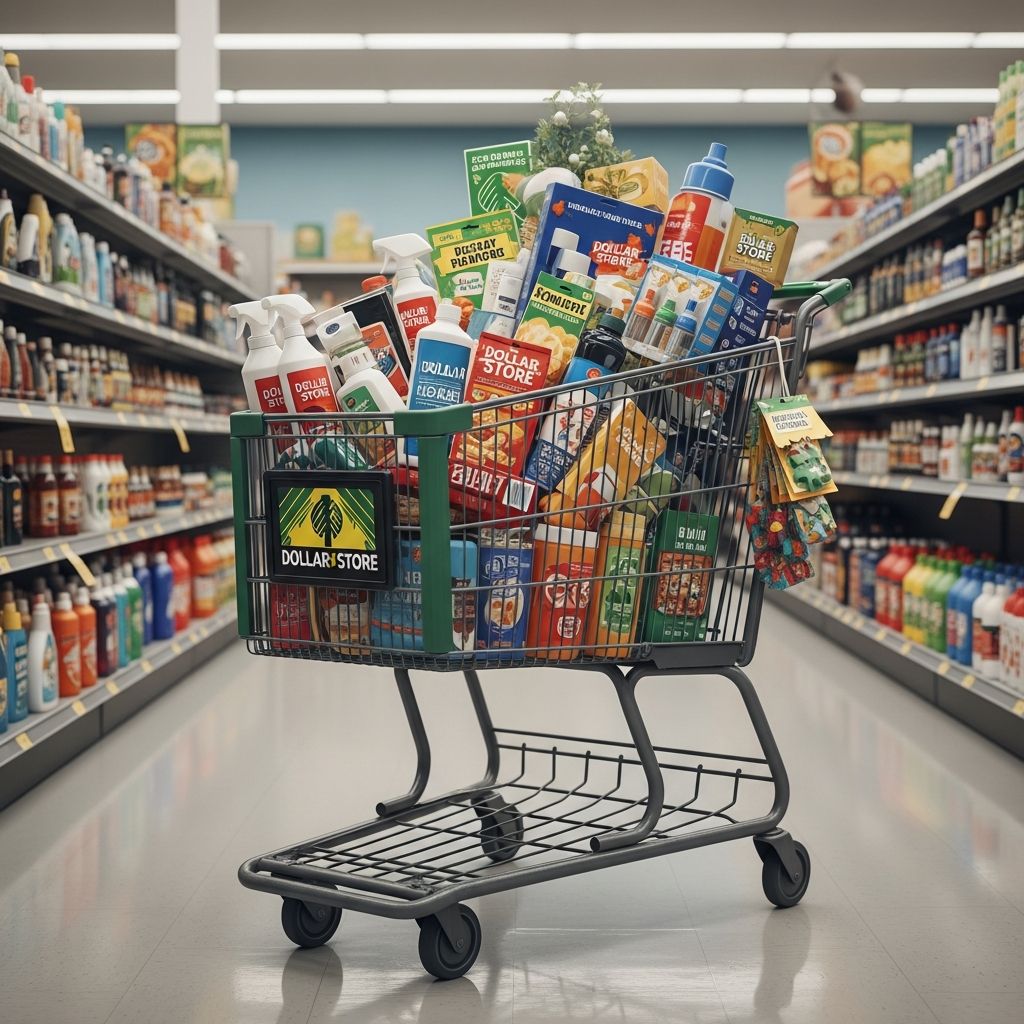
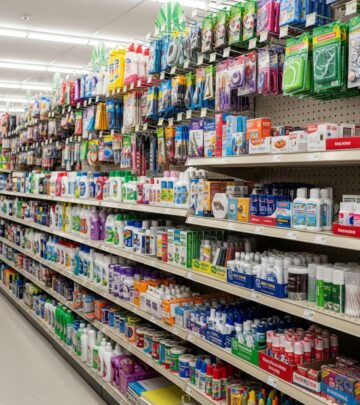
In an era of tight budgets and rising costs, dollar stores like Dollar Tree, Dollar General, and Family Dollar have become go-to destinations for millions of shoppers seeking affordable essentials. These chains promise rock-bottom prices on everything from groceries and cleaning supplies to party goods and seasonal items. But do they really save you money, or are there hidden catches like smaller package sizes, lower quality, and impulse buys that erode the benefits? This article breaks down the pros, cons, and smart strategies to determine if dollar store shopping aligns with your financial goals.
With economic pressures persisting post-recession, consumers are turning to frugal tactics such as couponing and bargain hunting. Dollar stores capitalize on this by offering perceived deals that attract budget-conscious families, SNAP recipients, and low-income households. However, savings depend on product categories, comparison shopping, and understanding store models. We’ll examine key differences, best buys, pitfalls, and real-world data to help you shop smarter.
Dollar Store Differences
Not all dollar stores operate identically, which impacts pricing, selection, and overall value. While the name suggests everything costs a dollar, variations exist across chains.
- Dollar Tree: True to its name, nearly all items are priced at $1.25 (adjusted from $1 in recent years), focusing on fixed low pricing for household goods, snacks, and seasonal items. Limited variety keeps operations simple and costs down.
- Dollar General and Family Dollar: These offer a broader price range, from under $1 to several dollars, stocking groceries, clothing, over-the-counter meds, and more. Larger footprints (around 7,400–10,000 sq ft) allow for expanded inventory but still dwarf traditional supermarkets.
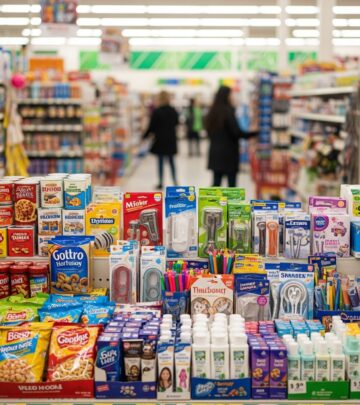
Product assortments differ too: some emphasize hygiene and party supplies, others food and toys. Check weekly ads before shopping to target deals. Chains minimize stock with just 1–2 variations per product, reducing decision fatigue and encouraging quick purchases in compact spaces.
This lean model—small stores, low overhead, and direct factory sourcing—enables affordability. Overseas bulk imports give negotiating power, slashing per-unit costs. High store density boosts foot traffic, sustaining volume even at slim margins.
Items Where Dollar Stores Shine
The biggest savings often lie in non-perishables and occasional buys. Dollar stores excel here due to aggressive pricing and minimal packaging.
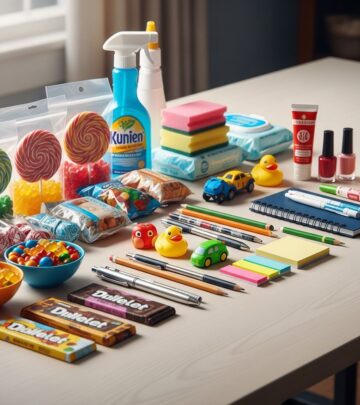
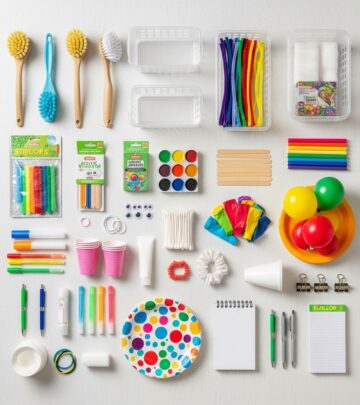
- Party Supplies and Wrapping: Streamers, balloons, plates, and gift wrap cost pennies compared to big-box stores, ideal for birthdays or holidays.
- Seasonal Items: Halloween decor, Christmas ornaments, and Easter baskets offer massive discounts post-season.
- Kitchen Utensils and Storage: Plastic cutlery, picture frames, bins, and bookshelves provide utility without breaking the bank.
- Cleaning Products and Greeting Cards: Name-brand options like disinfectants or cards are often cheaper per unit.
Shoppers report stretching budgets effectively on these, especially SNAP users who maximize benefits in small, navigable stores. Limited assortments prevent overbuying, and mini-sizes reduce waste—perfect if you need just a bit of spices or soap.
Items to Approach with Caution
Not every aisle delivers true value. Perishables and durables often disappoint due to quality or sizing tricks.
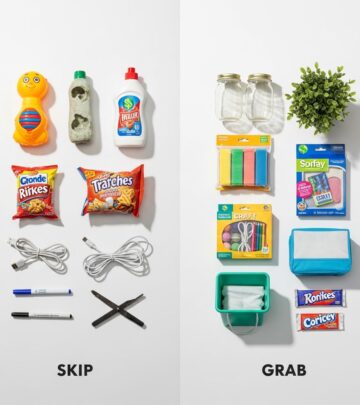
- Batteries and Electronics: Cheaper upfront but shorter lifespan means frequent repurchases—increasing long-term costs.
- Personal Care and Meds: Toothpaste, vitamins, and lotions may lack efficacy; no quality guarantees.
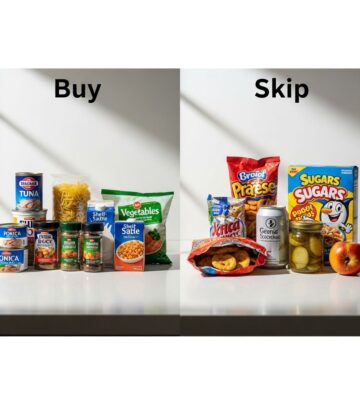
- Groceries: Bread or snacks can be bargains, but check expiration dates. Staples like ice cream sometimes undercut supermarkets, yet others match per-unit pricing.
Low-quality perceptions arise from inconsistent stock, poor store upkeep, and sparse staffing, deterring some despite low prices. Impulse buys thrive in the ‘treasure hunt’ vibe, where rare finds spur unplanned spending.
Size Matters: The Price-Per-Unit Trap
A low sticker price doesn’t guarantee savings—package sizes often shrink to inflate value perception. Always calculate price per unit (e.g., per ounce or count).
| Product | Dollar Store | Big-Box Store | Winner (Per Ounce) |
|---|---|---|---|
| Laundry Detergent | $10.95 / 75 oz ($0.146/oz) | $11.95 / 100 oz ($0.120/oz) | Big-Box |
| Cereal | $1.25 / 10 oz ($0.125/oz) | $3.50 / 18 oz ($0.194/oz) | Dollar Store |
| Paper Towels | $1 / 4 rolls | $5 / 12 rolls | Dollar Store (if quality holds) |
Example: A 75-oz detergent at $10.95 seems better than 100 oz at $11.95, but per-ounce math reveals the larger size wins. Shoppers often miss this, as noted in community studies where small sizes mask similar unit costs. Mini-sizing aids low-income buyers by enabling small, frequent purchases without waste, but savvy comparison is key.
How Dollar Stores Keep Prices Low
Understanding their business model reveals why prices stay competitive—and limitations.
- Compact Footprints: 7,400–10,000 sq ft vs. 40,000 sq ft supermarkets cut rent, utilities, and maintenance.
- Limited Inventory: Few SKUs speed shopping, reduce crowds, and minimize spoilage.
- Bulk Imports: Direct factory buys overseas yield discounts; high volume strengthens supplier leverage.
- Mini-Sizing Strategy: Small packs lower transaction costs, encourage repeat visits, and cut waste.
- Store Saturation: Dense networks drive traffic, ensuring quick inventory turnover.
This efficiency targets low-budget neighborhoods, offering quick trips and budget-stretching options. However, it limits fresh produce or variety, pushing some groceries to competitors.
Pros and Cons of Dollar Store Shopping
| Pros | Cons |
|---|---|
| Affordable staples and non-foods | Smaller sizes inflate per-unit costs |
| Convenient locations and quick shops | Quality variability in food/meds |
| Less waste via mini-packs | Limited selection and stock |
| SNAP-friendly for basics | Impulse buys from low prices |
Studies show price draws shoppers, but barriers like appearance and staffing affect satisfaction. For low-income communities, proximity and ease outweigh drawbacks for many.
Smart Shopping Tips for Maximum Savings
- Compare Per Unit: Use phone apps or labels to calculate ounces, sheets, or servings.
- Stick to Lists: Avoid treasure-hunt impulses; target proven categories like party goods.
- Check Dates/Quality: Inspect perishables and test small quantities first.
- Combine with Ads: Pair dollar store runs with supermarket sales for hybrids.
- Track Total Spend: Frequent small trips can add up—budget weekly limits.
Minneapolis data confirms price as top motivator, but unit awareness maximizes value.
Frequently Asked Questions (FAQs)
Q: Are dollar store groceries safe and nutritious?
A: Many staples match name brands at lower prices, but check expirations and opt for sealed items. Quality varies; fresh produce is rare.
Q: Do dollar stores accept SNAP/EBT?
A: Yes, most do, helping recipients stretch benefits on basics amid easy access.
Q: Why are some items more expensive per unit?
A: Smaller sizes and import efficiencies lower sticker prices but not always unit costs—always compare.
Q: Can I find name-brand products?
A: Often yes, at discounts, especially cleaning and snacks, sourced directly.
Q: Are dollar stores expanding into food?
A: Chains like Dollar General are adding coolers, but limited to best-sellers.
Dollar stores offer real savings for targeted shopping but falter on bulk or quality needs. By focusing on strengths and verifying units, you can optimize your budget effectively.
References
- This Is How The Dollar Store Stays So Affordable — Food Republic. 2023-10-01. https://www.foodrepublic.com/1957258/how-does-dollar-store-stay-affordable/
- Does Shopping at the Dollar Store Really Save You Money? — SmartAsset. 2024-01-15. https://smartasset.com/personal-finance/does-shopping-at-the-dollar-store-really-save-you-money
- Community Member Shopping Experiences in Dollar Store Food Environments — PMC (NIH). 2024-05-20. https://pmc.ncbi.nlm.nih.gov/articles/PMC11985030/
- Stretching the Dollar — Center for Science in the Public Interest. 2023-10-01. https://www.cspi.org/sites/default/files/2023-10/CSPI_dollarStoreReport_2023_4.pdf
Similar Articles








Read full bio of medha deb