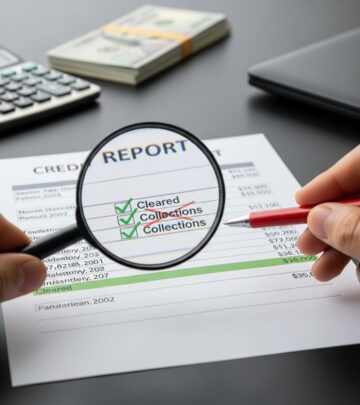
Does Paying Collections Boost Your Credit Score?
Uncover the truth about settling collection debts and their real impact on your FICO and VantageScore ratings.
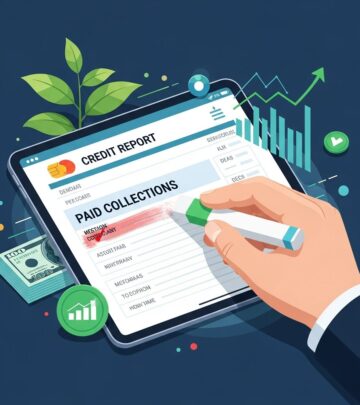
Settling debts sent to collections does not universally improve credit scores and may even lower them in some cases, depending on the scoring model and your overall credit profile. Newer models like FICO Score 9 and 10, along with VantageScore 3.0 and 4.0, often reward paid collections by reducing penalties compared to unpaid ones, while older FICO versions treat paid and unpaid accounts similarly.
The Fundamentals of Collection Accounts on Credit Reports
Collection accounts arise when creditors sell or assign unpaid debts to third-party agencies, signaling severe payment delinquencies to credit bureaus. These entries fall under payment history, which comprises 35% of FICO scores and up to 41% of VantageScore calculations, making them a dominant negative factor. Once reported, collections remain visible for seven years from the original delinquency date, though their scoring weight diminishes over time.
Medical collections under certain thresholds or paid small debts may be filtered out by modern models: FICO Score 8 ignores those below $100, and VantageScore 3.0 disregards amounts under $250. This ‘nuisance debt’ adjustment aims to prevent minor issues from overly penalizing scores.
How Different Scoring Models Handle Paid Collections
Credit scores vary by model, leading to inconsistent outcomes when collections are paid. Here’s a breakdown:
| Scoring Model | Treatment of Paid Collections | Key Impact |
|---|---|---|
| FICO 8 and Older | Treats paid/unpaid similarly | No score change or potential drop |
| FICO Score 9/10 | Penalizes unpaid more than paid | Potential score increase |
| VantageScore 3.0/4.0 | Reduced penalty for paid | Often improves score |
Data from major bureaus and scoring companies confirm that while older FICO models focus on the delinquency event itself, newer iterations differentiate based on resolution status.
Potential Score Changes After Paying Collections
The effect of payment can range from a boost to a dip. If the collection is your sole negative mark, settling it might raise scores under responsive models by 20-100+ points, though exact figures depend on your full report. Conversely, paying could lower scores if it alters credit utilization dynamics or if the model weighs the original delinquency heavily.
- Positive scenarios: Isolated collection paid under FICO 9/10 or VantageScore.
- Neutral/negative: Multiple derogatories present, or older scoring used by lender.
- Time factor: Older collections (2+ years) have muted impact regardless of status.
Beyond Scores: Other Benefits of Clearing Collections
Even without immediate score gains, paying collections offers tangible advantages. Lenders often manually review reports, viewing ‘paid’ or ‘settled’ statuses as signs of responsibility over open delinquencies. This can improve approval odds for mortgages or auto loans.
Financially, resolution halts accruing interest, fees, and lawsuit risks—critical as the Consumer Financial Protection Bureau notes collectors may sue over ignored debts. Paid accounts also simplify future disputes and negotiations.
Strategic Steps to Pay Off Collections Effectively
Approach collections methodically to maximize benefits:
- Verify debt validity: Request written validation within 30 days of contact.
- Pull free credit reports: Check Equifax, Experian, TransUnion annually via AnnualCreditReport.com.
- Negotiate terms: Seek ‘pay for delete’ (removal post-payment), though not guaranteed.
- Get agreements in writing: Detail status updates to bureaus.
- Choose payment method: Lump sum for best deals; plans if needed.
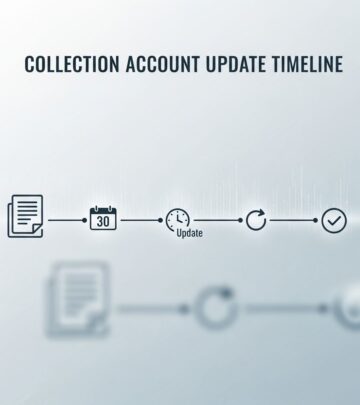
Post-payment, monitor reports for updates, which may take 30-45 days.
Rebuilding Credit After Collections
Payment is step one; sustained habits rebuild scores faster. Focus on:
- Timely payments on all accounts (builds positive history).
- Low credit utilization under 30%.
- Secured cards or credit-builder loans for thin files.
- Dispute inaccuracies via bureau portals.
Expect gradual recovery: Scores often rebound significantly within 12-24 months of consistent behavior.
Common Myths About Collections and Credit
Misconceptions persist:
- Myth: Paying always erases the account. Fact: Seven-year timeline persists unless deleted.
- Myth: All models ignore paid collections. Fact: Only specific newer ones do partially.
- Myth: Small debts don’t matter. Fact: They can grow and signal patterns.
Frequently Asked Questions
Will paying one collection affect others?
No direct impact; each is independent, but overall profile improves.
How long until score reflects payment?
Typically 30-60 days after agency updates bureaus.
Can I remove collections without paying?
Possible via disputes if inaccurate, or goodwill letters, but rare for valid debts.
Do medical collections differ?
Yes, newer rules remove most paid medical collections sooner.
Is debt settlement better than payment?
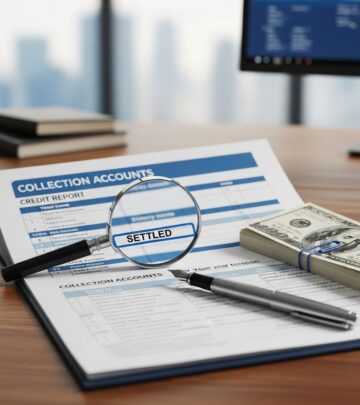
Settlement marks as ‘settled’ (less ideal than ‘paid in full’) but avoids full payout.
Long-Term Financial Health Outlook
Collections highlight deeper issues like overspending or job loss. Pair debt payoff with budgeting apps, emergency funds (3-6 months expenses), and professional counseling from NFCC.org affiliates. Consistent actions not only repair scores but foster lasting stability, potentially reaching 700+ FICO within years.
References
- Does Paying Off Collections Improve My Credit Score? — Lexington Law. 2024. https://www.lexingtonlaw.com/education/does-paying-collections-improve-score
- Does Paying Collections Improve Credit Scores? — Capital One. 2024. https://www.capitalone.com/learn-grow/money-management/does-paying-off-collections-improve-credit-score/
- Will Paying Collections Help Your Credit Score: A Full Guide — Shepherd Outsourcing Services. 2024-12-31. https://www.shepherdoutsourcingservices.com/blog/paying-off-collections-improve-credit-score
- Can Paying Off Collections Raise Your Credit Score? — Experian. 2024. https://www.experian.com/blogs/ask-experian/can-paying-off-collections-raise-your-credit-score/
- Does paying off collections help your credit score? — Discover. 2024. https://www.discover.com/credit-cards/card-smarts/does-paying-off-collections-improve-credit-score/
- How Can I Improve My Credit Scores After Having Debt Sent… — National Foundation for Credit Counseling (NFCC). 2024. https://www.nfcc.org/blog/ask-expert-can-improve-credit-score/
- How Do Collections Affect Your Credit? — myFICO. 2024. https://www.myfico.com/credit-education/faq/negative-reasons/collections-affect-credit
Similar Articles








Read full bio of Sneha Tete