Does Paying Child Support Clear It From Credit Reports?
Discover if settling child support arrears removes negative marks from your credit history and learn strategies to protect and rebuild your financial standing.

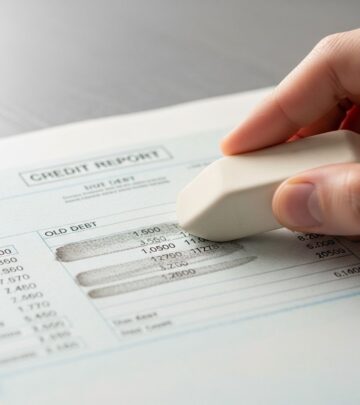
Child support obligations are legally mandated financial responsibilities designed to support children’s needs after parental separation. While fulfilling these duties is essential for family well-being, many wonder about their ripple effects on personal credit profiles. Specifically, does bringing overdue child support current wipe it away from credit records entirely? The short answer is no—paying off arrears updates the account status to “paid,” but the original delinquency mark lingers for up to seven years from the date of the first missed payment.
This persistence stems from how credit bureaus like Experian, Equifax, and TransUnion handle derogatory information. Once reported, negative entries follow strict timelines under the Fair Credit Reporting Act (FCRA), prioritizing transparency for lenders over immediate erasure upon repayment. Understanding this dynamic is crucial for parents navigating divorce, custody battles, or financial hardships, as it influences everything from loan approvals to rental applications.
Understanding Child Support and Credit Bureau Interactions
Credit reports serve as financial snapshots, compiling data from creditors, courts, and public records. Child support enters this ecosystem primarily through state agencies or child support enforcement divisions, not routine monthly payments. Regular, on-time contributions rarely appear positively because most systems don’t furnish that data to bureaus.
Delinquencies trigger reporting when arrears accumulate or legal interventions occur. For instance, in many states, balances exceeding $1,000 prompt notifications to credit agencies via monthly reports. Enforcement tools like wage garnishment, tax refund intercepts, or property liens can also manifest as collections or judgments on reports, amplifying damage.
- State Variations: Reporting thresholds and methods differ; some locales mandate bureau notifications for any overdue amount, while others wait for court involvement.
- Agency Role: Departments of Child Support Services often act as furnishers, submitting data directly.
- No Positive Reporting: Timely payments build no credit history, creating an asymmetry where compliance goes unseen but lapses are spotlighted.
This setup underscores why proactive payment management is vital—prevention trumps remediation in credit health.
When Does Child Support Show Up Negatively on Your Credit?
Negative entries emerge only after missed deadlines escalate. A court-ordered plan doesn’t inherently ding scores; it’s non-compliance that activates reporting. Common triggers include:
| Trigger Event | Potential Credit Impact | Duration on Report |
|---|---|---|
| Arrears over $1,000 | Delinquency notation | 7 years from first delinquency |
| Wage garnishment | Public record or collection | Up to 7 years |
| Tax refund seizure | Indirect via enforcement notation | 7 years |
| Court judgment/liens | Judgment entry | 7 years (federal FCRA rule) |
Data from enforcement agencies feeds into these accounts, often labeled as “child support obligation” or “government claim.” Scores drop significantly—late payments can shave 100+ points, depending on history and recency.
Joint financial ties complicate matters; co-signed debts with ex-partners might indirectly suffer if one parent’s arrears lead to shared hardships. Prioritizing child support over other bills is advisable, as courts view it as non-dischargeable, even in bankruptcy.
The Reality of Paying Off Arrears: What Changes on Your Report?
Upon full repayment, the furnisher updates the status to “paid in full” or “closed.” This shift mitigates ongoing harm, as paid accounts weigh less heavily in scoring models like FICO or VantageScore, which favor recent positive behavior.
However, the delinquency history endures. Per FCRA guidelines, derogatory marks persist seven years from the original 30-day past-due date, regardless of settlement. Updates may lag 30-60 days due to reporting cycles, so monitor via free weekly reports at AnnualCreditReport.com.
Pro Tip: Post-payment, request a “goodwill adjustment” letter from the agency, though success is rare for child support due to its public enforcement nature.
For accounts closed positively after delinquency, some models retain them 10 years, but negatives cap at seven.
Strategies to Dispute Inaccurate Child Support Entries
If an account shows unpaid post-settlement, dispute it promptly. Credit bureaus must investigate within 30 days under FCRA.
- Gather Proof: Collect payment receipts, court orders, and agency confirmations.
- File Online: Use bureau portals (Experian.com/dispute, etc.) or mail certified letters.
- Escalate if Needed: Contact the furnisher directly; unresolved issues go to Consumer Financial Protection Bureau (CFPB).
Success hinges on documentation—over 80% of valid disputes resolve favorably. Inaccurate reporting, like pre-order delinquencies, warrants removal.
Protecting Your Credit While Meeting Child Support Duties
Forewarned is forearmed. Key protections include:
- Automate Payments: Set up direct debits to avoid misses.
- Communicate Early: Seek modifications via court if income drops; many jurisdictions allow adjustments.
- Budget Ruthlessly: Rank child support atop priorities—above credit cards or loans.
- Monitor Regularly: Track reports quarterly for errors.
Legal aid or family law specialists can negotiate plans, preventing escalations like license suspensions that compound credit woes.
Rebuilding Credit After Child Support Damage
Recovery demands discipline. Late marks fade in influence over time, especially with positive actions:
| Action | Expected Timeline | Score Boost Potential |
|---|---|---|
| On-time payments everywhere | 3-6 months | High (35% of FICO) |
| Reduce utilization <30% | 1-2 months | Medium (30% of FICO) |
| Add positive tradelines (secured cards) | 6-12 months | Medium |
| Dispute errors | 30-45 days | Variable |
Tools like secured credit cards or credit-builder loans foster history without risk. Avoid new debt; focus on utilization and payment reliability. Scores can rebound 100+ points in a year with consistency.
State-Specific Nuances in Child Support Reporting
Laws vary: California reports arrears over $1,000 monthly. Others tie to enforcement. Check your state’s child support portal (e.g., via Office of Child Support Enforcement at ACF.HHS.gov) for protocols. Federal oversight ensures uniformity in bureau retention periods.
FAQs: Child Support and Credit Concerns
Will on-time child support payments improve my credit score?
No, positive payments aren’t typically reported, so they neither help nor hurt directly.
How long does paid child support stay on my credit report?
Delinquency marks remain 7 years from the first late date; paid status shows indefinitely but positively.
Can bankruptcy erase child support debt from my credit?
No, child support is priority debt, non-dischargeable.
What if my ex reports false arrears?
Dispute with proof; courts handle modifications to correct records.
Does child support affect renting or jobs?
Indirectly via credit checks; severe arrears may trigger background flags.
Long-Term Financial Planning with Child Support in Mind
Integrate obligations into holistic planning. Build emergency funds covering 3-6 months of support to weather job loss. Consult financial advisors versed in family law intersections. Over time, as children age out, expiring marks align with life transitions, paving recovery paths.
Ultimately, honoring child support safeguards family and finances. While credit hits sting, strategic responses restore stability. Stay informed, act decisively, and leverage free resources for empowerment.
References
- How and When Child Support Is Reported on Your Credit — Denis Law Group. 2023. https://denislawgroup.com/how-and-when-child-support-is-reported-on-your-credit/
- How and When Child Support Affects Your Credit — The Betz Law Firm. 2024. https://betzlawfirm.com/how-and-when-child-support-affects-your-credit/
- How To Remove Child Support From Your Credit — LendingTree. 2025-01-15. https://www.lendingtree.com/credit-repair/can-you-remove-paid-off-child-support-from-your-credit-report/
- Will A Child Support Order Affect My Credit? — Cardwell Steigerwald Young LLP. 2024. https://www.csyfamilylaw.com/will-a-child-support-order-affect-my-credit/
- Will Unpaid Child Support Appear On My Credit Report? — Boyd Law Los Angeles. 2023. https://www.boydlawlosangeles.com/will-unpaid-child-support-appear-on-my-credit-report/
- Will Paying Back Child Support Remove It from Your Credit Report? — Experian. 2024-06-10. https://www.experian.com/blogs/ask-experian/will-paying-child-support-remove-credit-report/
Similar Articles








Read full bio of medha deb