Does My Auto Insurance Cover Other Drivers?
Understand permissive use, household rules, and exceptions in car insurance coverage when lending your vehicle to friends or family.
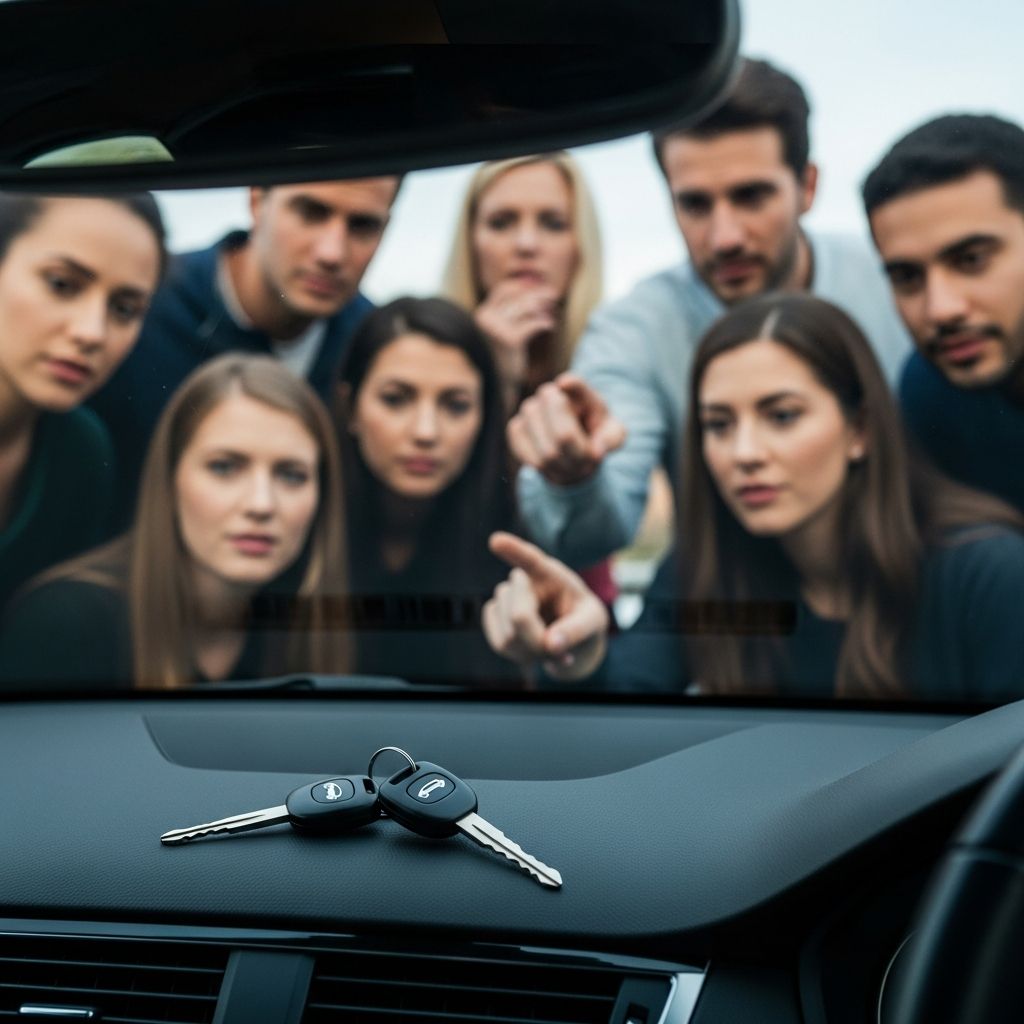
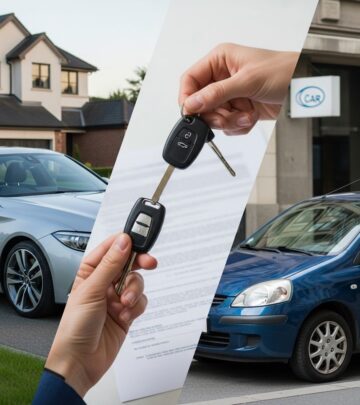
Car insurance policies primarily attach to the vehicle rather than the individual driver, providing coverage for others who operate your car under specific conditions. This principle, often called
permissive use
, allows licensed individuals with your consent to drive your vehicle and potentially access your policy’s protections in case of an accident. However, coverage isn’t automatic for everyone, and failing to understand the nuances can lead to denied claims or unexpected financial burdens.Core Principles of Vehicle-Centered Coverage
Unlike driver-focused systems in some countries, U.S. auto insurance generally follows the car. When someone drives your insured vehicle with permission—even if they’re not named on your policy—your insurance steps in as the primary coverage for damages or injuries they cause. This means liability for property damage or bodily injury to others typically falls under your policy limits first.
For instance, if a friend borrows your car and collides with another vehicle, your
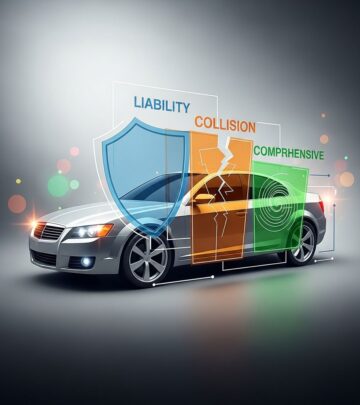
property damage liability
would handle repairs to the third party’s car, whilebodily injury liability
covers their medical costs, up to your policy caps. Collision coverage on your policy could repair your own car after your deductible, regardless of fault.Defining Permissive Use in Practice
**Permissive use** refers to any authorized operation of your vehicle by a non-listed driver. Major insurers like Progressive and Travelers confirm that verbal permission or handing over the keys qualifies, extending your policy’s benefits. This covers scenarios such as:
- Friends borrowing your car for a quick errand.
- Family members visiting and needing a short drive.
- Sharing driving duties on a road trip.
- Temporary use while the borrower’s vehicle is in the shop.
However, this protection has boundaries. Insurers scrutinize the frequency and context of use to determine if it qualifies as truly permissive.
Household Members and Regular Drivers: Special Rules Apply
Individuals living in your home, such as spouses, children, or roommates, are often automatically covered but must typically be listed on the policy. State regulations and insurer requirements mandate disclosing household drivers, even if they rarely drive your car. Omitting them risks claim denial, as policies exclude unlisted residents to prevent fraud or underreported risk.
Regular drivers outside your household—anyone using the car weekly—should also be added explicitly. Failure to do so may trigger coverage reductions or voids during claims. For example, a college student home for break might be covered under permissive use if listed or permitted, but business use (e.g., ridesharing) often voids protection.
| Driver Type | Coverage Status | Key Requirements |
|---|---|---|
| Listed Household Member | Full Coverage | Automatically included; disclose to insurer |
| Unlisted Occasional Driver | Permissive Use | Consent required; infrequent use |
| Unlisted Regular Driver | Limited/Denied | Must add to policy |
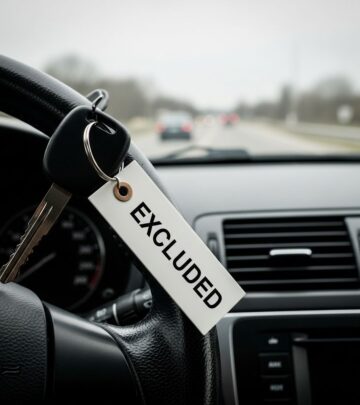
| Excluded Driver | No Coverage | Explicitly barred by policy |
Common Exclusions and Coverage Gaps
Not all situations trigger your policy’s protection. Key exclusions include:
- Non-permissive use: Driving without consent means your insurance won’t apply; the borrower’s policy (if any) becomes primary.
- Excluded drivers: Named individuals barred from coverage, often high-risk relatives, receive zero protection.
- Unlicensed or suspended drivers: No valid license voids claims universally.
- Commercial or business use: Personal policies exclude ridesharing, deliveries, or rentals.
- Intoxicated driving: DUI incidents lead to automatic denials.
If the borrower is at fault in a multi-vehicle crash, your liability covers the other party, but their insurance may serve as secondary if damages exceed your limits. Conversely, if another driver causes the accident, their policy pays first.
What Happens When You Drive Someone Else’s Car?
Reciprocity applies: If you’re permitted to drive another’s insured vehicle, their policy acts as primary, with yours potentially providing secondary coverage for excess liability or your medical costs. Rental cars or car-sharing services assume permission via payment, triggering the owner’s insurance first. Always verify with the vehicle owner about exclusions.
Impact on Premiums and Claims History
Any at-fault claim filed under your policy—regardless of who drove—appears on your record, potentially raising rates for 3-5 years. Insurers monitor patterns; frequent permissive use claims might prompt policy reviews or non-renewal. To mitigate:
- Add frequent drivers proactively.
- Choose higher limits to buffer secondary claims.
- Consider non-owner policies for high-risk borrowers.
State Variations and Legal Considerations
Coverage rules differ by state. No-fault states like Michigan prioritize personal injury protection (PIP) regardless of driver, while tort states emphasize liability. Some jurisdictions limit permissive use to specific relationships or durations. Consult your state’s insurance department for mandates on household disclosures. Legally, vehicle owners bear vicarious liability in many cases, amplifying the need for robust coverage.
Practical Steps for Safe Vehicle Sharing
To ensure seamless protection:
- Review your policy declarations page for permissive use language and exclusions.
- List all household and regular drivers immediately.
- Communicate rules clearly before handing over keys—no alcohol, no racing, personal use only.
- Contact your agent for endorsements like occasional driver coverage.
- Document permission in writing for extended loans.
Proactive communication with your insurer prevents surprises. Many offer free policy audits via app or phone.
Frequently Asked Questions (FAQs)
Can my friend drive my car if they’re not on my policy?
Yes, under permissive use, if you give explicit consent and they’re licensed/not excluded. Your policy is primary.
What if my teen drives my car occasionally?
Household teens must be listed; occasional visits may qualify permissively, but confirm with your insurer.
Does coverage apply for rental cars?
Your policy may offer secondary liability, but rentals require their own insurance; check for exclusions.
Who pays if damages exceed my limits?
The borrower’s insurance becomes secondary; without it, personal assets are at risk.
Can I exclude a risky family member?
Yes, add them as excluded to bar coverage and possibly lower premiums.
Enhancing Protection with Additional Coverages
Beyond basics, consider
umbrella policies
for extra liability (e.g., $1M+),rental reimbursement
for temp vehicles, androadside assistance
for borrowers. MedPay or PIP covers medical bills irrespective of fault, benefiting all permitted drivers. Shop annually; bundling home/auto often yields discounts.In summary, while your insurance safeguards permitted drivers, exclusions and requirements demand vigilance. Missteps can cascade into denied claims, legal woes, and soaring premiums. Regularly audit your policy to align with real-life sharing habits.
References
- Does Car Insurance Cover the Car or Driver? — Progressive. 2024. https://www.progressive.com/answers/does-insurance-follow-the-car-or-driver/
- Does Car Insurance Follow the Car or the Driver? — Travelers Insurance. 2024. https://www.travelers.com/resources/auto/insuring/does-car-insurance-follow-the-car-or-the-driver
- Does my car insurance cover other drivers? — American Family Insurance. 2024. https://www.amfam.com/resources/articles/on-the-road/can-someone-else-drive-my-car
- Does My Car Insurance Cover Other Drivers? — Allstate. 2024. https://www.allstate.com/resources/car-insurance/my-friend-wrecked-my-car
- Does Car Insurance Cover Other Drivers? — GEICO. 2024. https://www.geico.com/information/aboutinsurance/auto/does-car-insurance-cover-other-drivers/
- Can Someone Else Drive My Car? — Mercury Insurance. 2024. https://www.mercuryinsurance.com/resources/auto/can-someone-else-drive-my-car.html
Similar Articles








Read full bio of Sneha Tete