Does Home Insurance Cover AC Units?
Discover when your homeowners policy steps in for AC repairs and when it doesn't—essential insights for protecting your cooling system.
Your air conditioning system keeps your home comfortable during scorching summers, but when it breaks down, the repair bills can be staggering. Many homeowners wonder if their standard policy provides protection for these essential units. The short answer is yes, but only under specific conditions tied to sudden perils rather than everyday failures.
Standard homeowners insurance typically safeguards AC units—whether central systems or portable models—against damage from covered events like fires, storms, or theft. However, routine breakdowns from age or neglect fall outside this scope. Understanding these nuances can save you thousands in unexpected expenses.
Core Components of AC Coverage in Home Policies
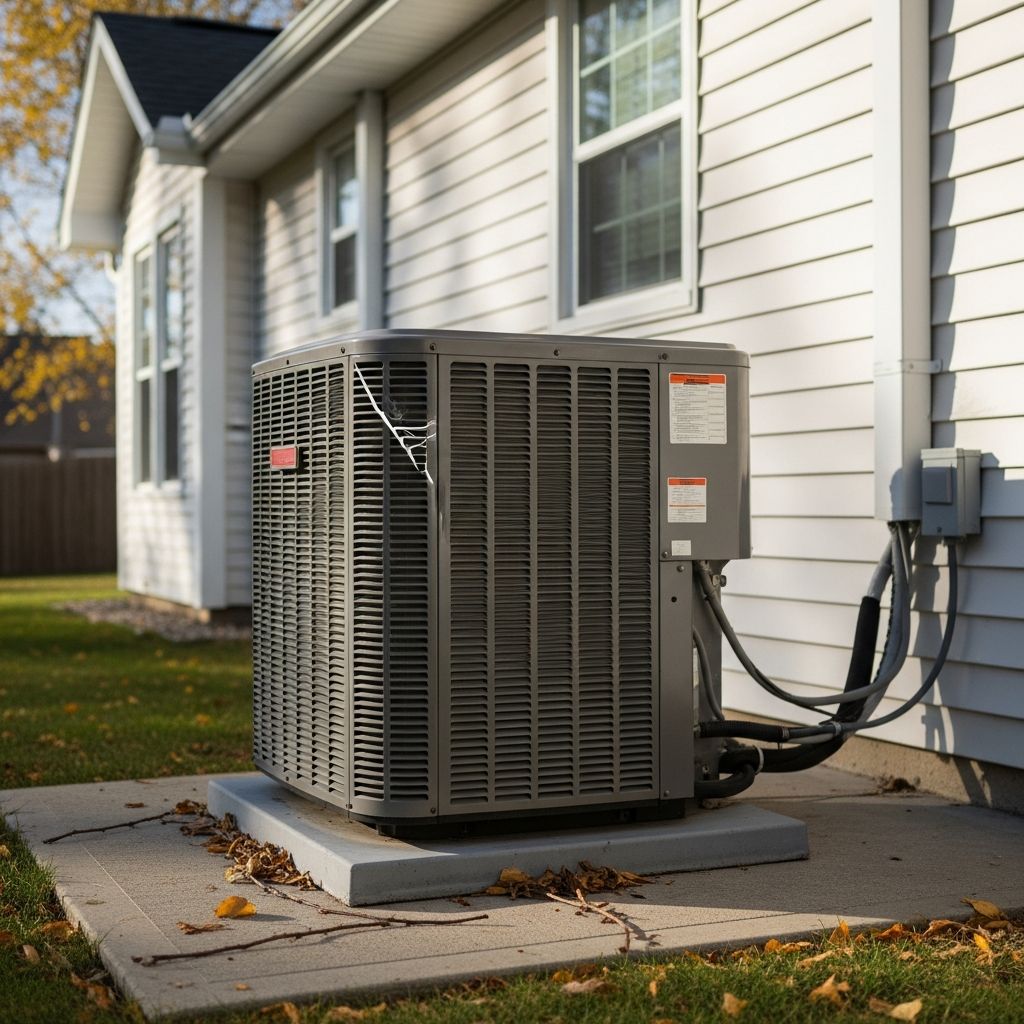
Home insurance policies divide protection into key areas: dwelling coverage for structural elements and personal property for movable items. Central AC units, integrated into your home’s framework with ductwork and outdoor condensers, usually qualify under dwelling coverage. This means insurers may cover repairs or replacements if a peril damages these fixed installations.
Portable or window units, on the other hand, are treated as personal belongings. They fall under personal property coverage, which often lists specific perils like theft or fire. Coverage limits apply, and you might receive actual cash value (depreciated amount) rather than full replacement cost, depending on your policy terms.
- Dwelling Coverage: Protects built-in HVAC components like furnaces, handlers, and condensers.
- Personal Property: Covers detachable units such as window models or freestanding portables.
- Key Difference: Dwelling often uses open-peril (all-risk) basis, while personal property may be named-peril only.
Common Perils That Trigger AC Coverage
Not all disasters qualify; only those defined as covered perils in your policy activate payouts. Here’s a breakdown of frequent scenarios where insurance steps in:
| Peril | Description | Coverage Example |
|---|---|---|
| Fire or Lightning | Flames or strikes damage indoor or outdoor components. | Full repair/replacement up to dwelling limits minus deductible. |
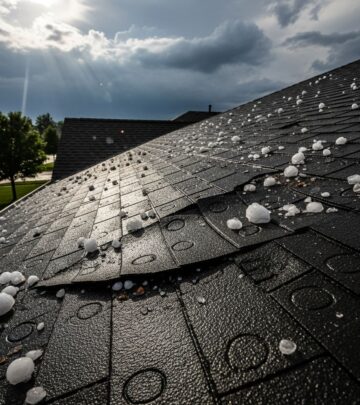
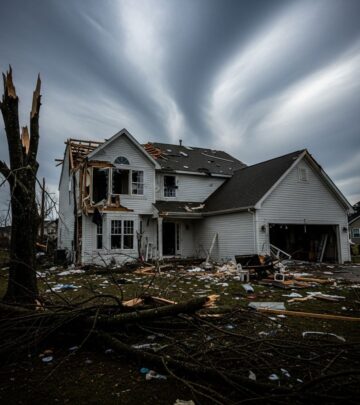
| Windstorm or Hail | High winds topple trees onto units or hail dents condensers. | Exterior damage covered; interior if structure affected. |
| Theft or Vandalism | Copper theft targets outdoor compressors. | Replacement under personal property for portables. |
| Falling Objects | Trees or debris crush rooftop or ground units. | Dwelling coverage for central systems. |
These events must be sudden and accidental. For instance, if a lightning strike fries your central AC during a storm, your insurer could cover the $5,000–$10,000 replacement cost after your deductible.
What Exclusions Keep AC Repairs Out-of-Pocket?
Despite broad protections, several common issues won’t trigger a claim. Policies explicitly exclude damage from:
- Wear and Tear: Gradual degradation like corroded coils or failing compressors from years of use.
- Mechanical Breakdown: Internal failures without external cause, such as a seized motor.
- Neglect or Poor Maintenance: Clogged filters or ignored leaks leading to failure.
- Pests or Flooding: Standard policies often omit water damage from floods; separate flood insurance needed.
- Power Surges (Unless Endorsed): Electrical spikes require add-on equipment breakdown coverage.
If your 15-year-old unit sputters out from overuse, expect to foot the $3,000–$7,000 repair bill yourself. Regular tune-ups can prevent claim denials by proving diligent care.
Navigating Claims for AC Damage
Filing a claim starts with documentation. Snap photos of the damage, save receipts for temporary fixes like renting a portable unit, and contact your insurer promptly. They’ll send an adjuster to assess if the loss qualifies.
Consider these factors before claiming:
- Deductible Impact: If repairs cost less than your $1,000–$2,500 deductible, pay out-of-pocket to avoid premium hikes.
- Claims History: Multiple claims in three years could raise rates 20–50%.
- Payout Types: Actual Cash Value (ACV) minus depreciation vs. Replacement Cost Value (RCV) for newer policies.
Average central AC replacement: $5,500. Window units: $300–$800. Weigh costs against long-term premium effects.
Enhancing Protection with Policy Add-Ons
Standard coverage has gaps, but endorsements bridge them:
- Equipment Breakdown: Covers sudden mechanical failures, not just perils. Costs $20–$50/year.
- Service Line Protection: For underground refrigerant lines.
- Increased Dwelling Limits: Ensures full HVAC replacement value.
Compare these to home warranties, which handle wear-related repairs for $400–$800 annually, covering multiple systems.
Regional and Unit-Specific Considerations
Coverage varies by location. Hurricane-prone areas might exclude wind damage without add-ons, while theft hotspots emphasize security. Smart thermostats or high-efficiency units could qualify for discounts, but verify with your agent.
Energy-efficient models save 20–40% on bills but cost more upfront—insurance reimburses based on policy value, not upgrades.
Frequently Asked Questions
Does insurance cover AC leaks?
No, unless caused by a covered peril like a burst pipe from freezing. Refrigerant leaks from corrosion are excluded.
What if flood water damages my AC?
Standard policies exclude floods. Purchase separate NFIP flood insurance for basement units.
Are portable AC units fully covered?
Under personal property, yes for named perils, but limits apply (often 50–70% of dwelling coverage).
How much does a claim affect premiums?
Typically 10–30% increase for 3–5 years, less for weather claims.
Should I repair or replace after a claim?
Insurers decide based on feasibility; replacements get RCV if policy allows.
Proactive Steps to Safeguard Your Investment
Prevent issues with annual professional inspections ($100–$200), clean coils quarterly, and install surge protectors. These habits not only extend unit life but bolster claim approvals.
Review your policy annually, especially after renovations adding new HVAC. Shop quotes from multiple carriers—A++ rated insurers like those from AM Best ensure reliability.
In summary, while home insurance offers vital protection for sudden AC disasters, it complements—not replaces—maintenance and warranties for comprehensive peace of mind.
References
- Does homeowners insurance cover HVAC units? — Progressive. 2025. https://www.progressive.com/answers/does-home-insurance-cover-hvac/
- Does Home Insurance Cover an AC Unit? — Experian. 2025. https://www.experian.com/blogs/ask-experian/does-home-insurance-cover-ac-unit/
- Does Homeowner’s Insurance Cover HVAC and AC Units? — Baldwin. 2025. https://baldwin.com/insights/does-homeowners-insurance-cover-hvac-and-ac-units/
- Does Homeowners Insurance Cover HVAC Issues? — The Hartford. 2025. https://www.thehartford.com/aarp/homeowners-insurance/does-homeowners-insurance-cover-ac
- Does home insurance cover HVAC systems? — Kin Insurance. 2025. https://www.kin.com/blog/does-home-insurance-cover-hvac/
Similar Articles








Read full bio of Sneha Tete