Does Everyone Have A Credit Score? 5 Things To Know
Discover who qualifies for a credit score, why some don't have one, and actionable steps to build or access yours for better financial opportunities.

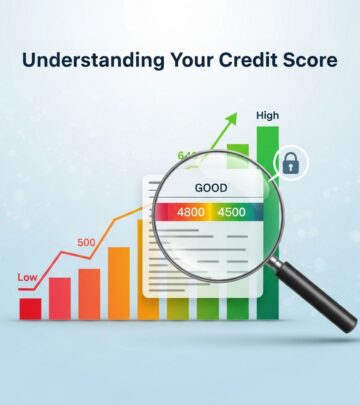
A credit score is a vital three-digit number ranging from 300 to 850 that assesses your creditworthiness, helping lenders predict if you’ll repay loans on time. However, not every individual possesses one, as it depends on having an active credit history reported to major credit bureaus.
Understanding Credit Scores: The Fundamentals
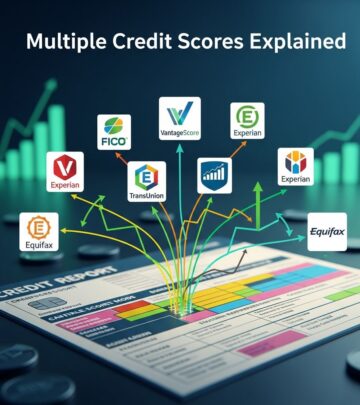
Credit scores represent your financial reliability based on credit report data. Lenders, landlords, and insurers rely on them to gauge risk. Higher scores signal lower risk, often leading to better loan terms, lower interest rates, and higher credit limits. FICO Scores, used by 90% of top lenders, dominate this space, alongside VantageScore models.
These scores emerge from mathematical models analyzing factors like payment history, debt levels, credit account length, and recent inquiries. Without sufficient data, no score is generated—a common scenario for many.
Who Actually Gets a Credit Score?
Not everyone qualifies for a credit score. Credit bureaus—Equifax, Experian, and TransUnion—require at least one active tradeline, such as a credit card or loan, reported within the past few years. Newcomers to credit, like recent immigrants or young adults without borrowing history, often fall into ‘no score’ or ‘invisible’ categories.
- Minimum Requirements: Typically, one revolving account (e.g., credit card) open for six months or an installment loan with payments made.
- Recent Activity: Accounts must show activity in the last 6-12 months, depending on the model.
- Bureau Variations: You might have a score with one bureau but not others due to inconsistent reporting.
Approximately 26 million Americans are credit invisible, lacking enough history for a score, per recent estimates. This excludes those with thin files—just insufficient data.
Reasons You Might Not Have a Credit Score
Several factors prevent score generation. Understanding these helps pinpoint your situation.
| Reason | Explanation | Impact |
|---|---|---|
| No Credit Accounts | Never opened a credit card, loan, or similar. | No data for bureaus to analyze. |
| Inactive Accounts | Old accounts closed with no recent activity. | Scores lapse after 6-12 months of dormancy. |
| Thin Credit File | Fewer than 1-2 accounts or short history. | Insufficient info for reliable prediction. |
| Frozen Credit Report | Security freeze blocks data access/updates. | Prevents score calculation until lifted. |
| Errors or Fraud | Inaccurate info or identity theft disputes. | Halts scoring until resolved. |
Immigrants or those rebuilding after financial setbacks like bankruptcy may also lack scores temporarily.
Credit Score Ranges and What They Mean
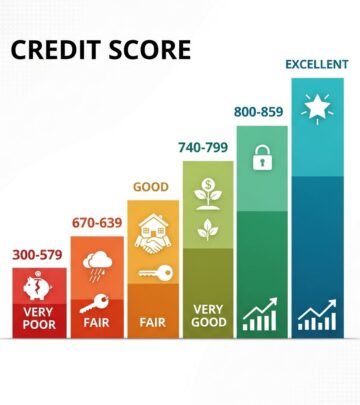
Scores categorize risk levels, influencing financial products.
| Range | Rating | Description |
|---|---|---|
| 300-579 | Poor | High risk; limited approvals, high rates. |
| 580-669 | Fair | Some approvals possible with conditions. |
| 670-739 | Good | Average U.S. score; favorable terms. |
| 740-799 | Very Good | Strong profile; competitive rates. |
| 800-850 | Exceptional | Top tier; best deals available. |
The U.S. average FICO Score hovers around 715, with variations by age and region.
Key Factors That Build Your Credit Score
Once you have accounts, these elements determine your score:
- Payment History (35%): On-time payments are crucial; delinquencies harm most.
- Credit Utilization (30%): Keep usage under 30% of limits.
- Length of History (15%): Longer accounts boost scores.
- New Credit (10%): Too many inquiries signal risk.
- Credit Mix (10%): Blend of card and loan types helps.
Scores predict 90-day delinquency risk over 24 months.
Types of Credit Scores Available
Beyond base FICO (300-850), specialized versions exist:
- Industry-Specific: Auto (250-900) or bankcard scores for targeted lending.
- FICO 10T: Incorporates payment trends.
- VantageScore: Alternative model with similar ranges.
Free scores from banks or sites like Credit Karma use VantageScore.
Steps to Get Your First Credit Score
If scoreless, start building:
- Check Reports: Get free weekly reports at AnnualCreditReport.com.
- Become Authorized User: On a family member’s good-standing card.
- Secured Cards: Deposit-backed cards report activity.
- Credit-Builder Loans: Small loans held in savings, payments reported.
- Alternative Data: Some lenders use rent/utilities via services like Experian Boost.
Expect a score in 3-6 months of activity.
Improving or Rebuilding a Weak Score
Low scores? Focus on:
- Paying bills on time.
- Reducing debt.
- Avoiding new applications.
- Disputing errors.
Positive changes reflect in 1-2 months.
Common Myths About Credit Scores
- Myth: Everyone over 18 has one. Fact: Requires credit use.
- Myth: Checking your score hurts it. Fact: Soft pulls don’t.
- Myth: Rent doesn’t build credit. Fact: Some services now report it.
Why Credit Scores Matter Beyond Loans
Scores affect rentals, jobs, utilities, and insurance premiums. A strong score saves thousands in interest.
Frequently Asked Questions
Can I have a credit score without a credit card?
Yes, loans or retail accounts suffice if reported.
How often do scores update?
Monthly with new data.
What’s the fastest way to build credit?
Secured card or authorized user status.
Do all bureaus give the same score?
No, due to varying data.
Is 700 a good score?
Yes, it’s in the good range.
References
- What is a Credit Score? – myFICO — myFICO. 2023. https://www.myfico.com/credit-education/credit-scores
- What is a credit score? | Consumer Financial Protection Bureau — CFPB. 2023-10-01. https://www.consumerfinance.gov/ask-cfpb/what-is-a-credit-score-en-315/
- What Is a Good Credit Score? – Experian — Experian. 2023. https://www.experian.com/blogs/ask-experian/credit-education/score-basics/what-is-a-good-credit-score/
- What Is a Credit Score & Why Is It Important? – Equifax — Equifax. 2023. https://www.equifax.com/personal/education/credit/score/articles/-/learn/what-is-a-credit-score/
- Understand, get, and improve your credit score | USAGov — USAGov. 2023. https://www.usa.gov/credit-score
- Credit Score Basics: Everything You Need to Know – Experian — Experian. 2023. https://www.experian.com/blogs/ask-experian/credit-education/score-basics/understanding-credit-scores/
Similar Articles








Read full bio of Sneha Tete