Does Disputing Credit Errors Hurt Your Score?
Uncover the truth about credit disputes: they rarely lower scores and often boost them by fixing inaccuracies that drag down your financial profile.
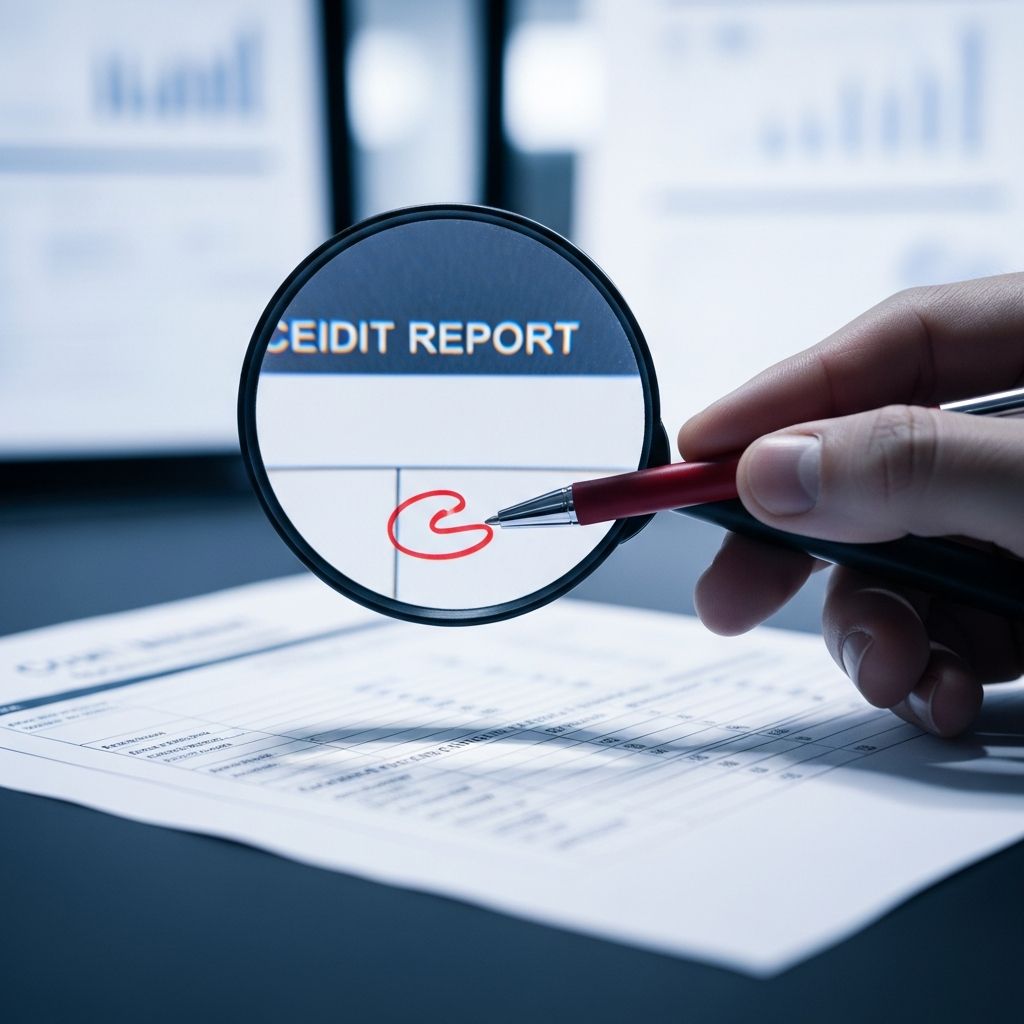
Your credit report is the backbone of your financial life, influencing everything from loan approvals to rental applications. But what happens when you spot mistakes—like incorrect late payments or accounts that aren’t yours? Many worry that filing a dispute could backfire and tank their credit score. The good news: disputing errors generally does not lower your credit score. In fact, correcting inaccuracies often leads to improvements. This comprehensive guide breaks down the process, timelines, potential impacts, and strategies to navigate disputes confidently.
Why Credit Reports Have Errors and Why They Matter
Credit reports from major bureaus like Equifax, Experian, and TransUnion compile data from lenders, collections agencies, and public records. Errors creep in due to data entry mistakes, identity theft, or outdated information. Studies show that up to 25% of reports contain inaccuracies affecting scores.
These errors can be devastating:
- Wrong personal details: Mismatched names, addresses, or Social Security numbers mix up files.
- Inaccurate account info: Balances, payment histories, or statuses reported incorrectly.
- Fraudulent accounts: Unauthorized debts from identity theft.
- Outdated negatives: Old collections or bankruptcies past the 7-year reporting limit.
Inaccurate reports can drop your score by 50-100 points or more, leading to higher interest rates or denials. The Fair Credit Reporting Act (FCRA) empowers you to challenge these for free, with bureaus obligated to investigate.
The Credit Dispute Process: Step-by-Step Breakdown
Disputing starts with obtaining your free weekly reports from AnnualCreditReport.com. Review all three bureaus, as discrepancies vary. Here’s how to proceed:
- Gather evidence: Collect statements, payment proofs, or ID documents supporting your claim.
- Submit the dispute: Use online portals, mail, or phone. Be specific about the error and attach evidence.
- Bureau investigation: They have 30 days (up to 45 with new info) to verify with the data furnisher (e.g., lender).
- Furnisher response: The business must investigate within 5 business days and report back.
- Results: Get written notification. If valid, errors are deleted or updated across bureaus.
Table: Dispute Submission Methods Comparison
| Method | Pros | Cons | Best For |
|---|---|---|---|
| Online Portal | Fast, trackable, free uploads | Limited evidence size | Simple errors |
| Unlimited docs, official record | Slower delivery | Complex cases | |
| Phone | Immediate confirmation | No evidence upload, harder to track | Quick questions |
Pro tip: Dispute directly with furnishers too—they often resolve faster than bureaus.
Timeline: How Long Until Resolution?
Expect 30-60 days total. Bureaus investigate in 30 days; scores update post-furnisher cycle, often 60 days. Extensions occur with new evidence (15 extra days).
- Day 1-5: Bureau notifies furnisher.
- Day 6-30: Joint investigation.
- Post-30: Updates propagate; free updated report if changes made.
Survey data: Average resolution takes 60 days, with 17%+ favoring consumers. Monitor via portals during this window.
Direct Impact on Your Credit Score During Disputes
A key myth: Disputes automatically ding scores. False. Under FCRA, bureaus exclude disputed items from scoring until resolved. This prevents artificial drops.
Possible scenarios:
- Error removed: Score rises as negatives vanish.
- Verified accurate: Item resumes scoring; no net change if true.
- Partial fix: Balanced adjustment, variable impact.
During investigation, a “dispute noted” flag appears, visible to lenders. Some hesitate to lend, but this is temporary and score-neutral. FICO and VantageScore ignore disputed data.
Real example: A consumer disputed a wrong late payment. Bureau excluded it during review; post-resolution deletion boosted score 85 points.
Long-Term Score Effects: Wins and Rare Risks
Most disputes improve or stabilize scores by purging errors. Risks are minimal:
- Frivolous disputes: Bureaus may dismiss without investigating, no score hit.
- Multiple filings: Excessive, baseless ones might flag you, but FCRA protects legitimate claims.
- Lender caution: Temporary underwriting pauses, not score drops.
Table: Common Dispute Outcomes and Score Impacts
| Outcome | Frequency (Est.) | Avg. Score Change |
|---|---|---|
| Error Deleted | 17-25% | +20 to +100 points |
| Verified Accurate | 60% | No change |
| Updated/Corrected | 15% | +10 to +50 points |
Bottom line: Benefits outweigh risks. Accurate reports build stronger profiles.
Unresolved Disputes: Your Next Moves
If denied, add a 100-word statement of dispute to your file. It travels with the item, explaining your side factually. Avoid emotions; stick to evidence.
Escalate:
- File CFPB complaint if FCRA violated.
- Sue under FCRA for willful errors (up to $1,000 damages + fees).
- Re-dispute with new evidence.
Notify other bureaus manually if needed.
Pro Tips to Maximize Dispute Success
Avoid pitfalls for smoother resolutions:
- Dispute specifics only—vague claims get rejected.
- Keep copies of everything.
- Track via certified mail or portals.
- Freeze credit to prevent new fraud.
- Review reports quarterly.
Direct creditor disputes often yield quicker fixes.
Frequently Asked Questions (FAQs)
Will my score drop while disputing?
No, disputed items are excluded from calculations until resolved.
How many disputes can I file?
Unlimited legitimate ones; frivolous may be limited.
Does disputing affect mortgage approval?
Lenders see the flag but must consider your explanation; temporary caution possible.
What if identity theft caused the error?
File police report, FTC identitytheft.gov affidavit; bureaus must block fraudulent info.
Can I dispute old debts?
Yes, if inaccurate or beyond reporting periods (7 years collections, 10 years bankruptcy).
Empower Your Financial Future
Regular checks and proactive disputes keep your credit pristine. Tools like credit monitoring alert to issues instantly. Fixing errors not only safeguards scores but unlocks better rates—saving thousands long-term. Start today: pull reports, spot issues, dispute boldly. Your wallet will thank you.
References
- If I dispute a debt, how does that show up on my credit report? — Consumer Financial Protection Bureau. 2023. https://www.consumerfinance.gov/ask-cfpb/if-i-dispute-a-debt-how-does-that-show-up-on-my-credit-report-en-1363/
- What happens when you dispute something on your credit reports? — Credit Sesame. 2024. https://www.creditsesame.com/blog/credit-report/what-happens-when-you-dispute-something-on-your-credit-reports/
- Disputing Errors on Your Credit Reports — Federal Trade Commission. 2024-01-15. https://consumer.ftc.gov/articles/disputing-errors-your-credit-reports
- What is a Credit Report Dispute and Why Does it Matter? — CRIF High Mark. 2023. https://www.crifhighmark.com/blog/what-is-credit-report-dispute
- Credit Report Disputes: How They Work and How They Affect your Score — TDECU. 2024. https://www.tdecu.org/blog/credit-report-disputes
Similar Articles







Read full bio of medha deb