Does Cruise Control Save Gas? Up To 22% Fuel Savings
Discover how cruise control impacts your vehicle's fuel efficiency on highways, hills, and beyond with expert insights and real-world data.
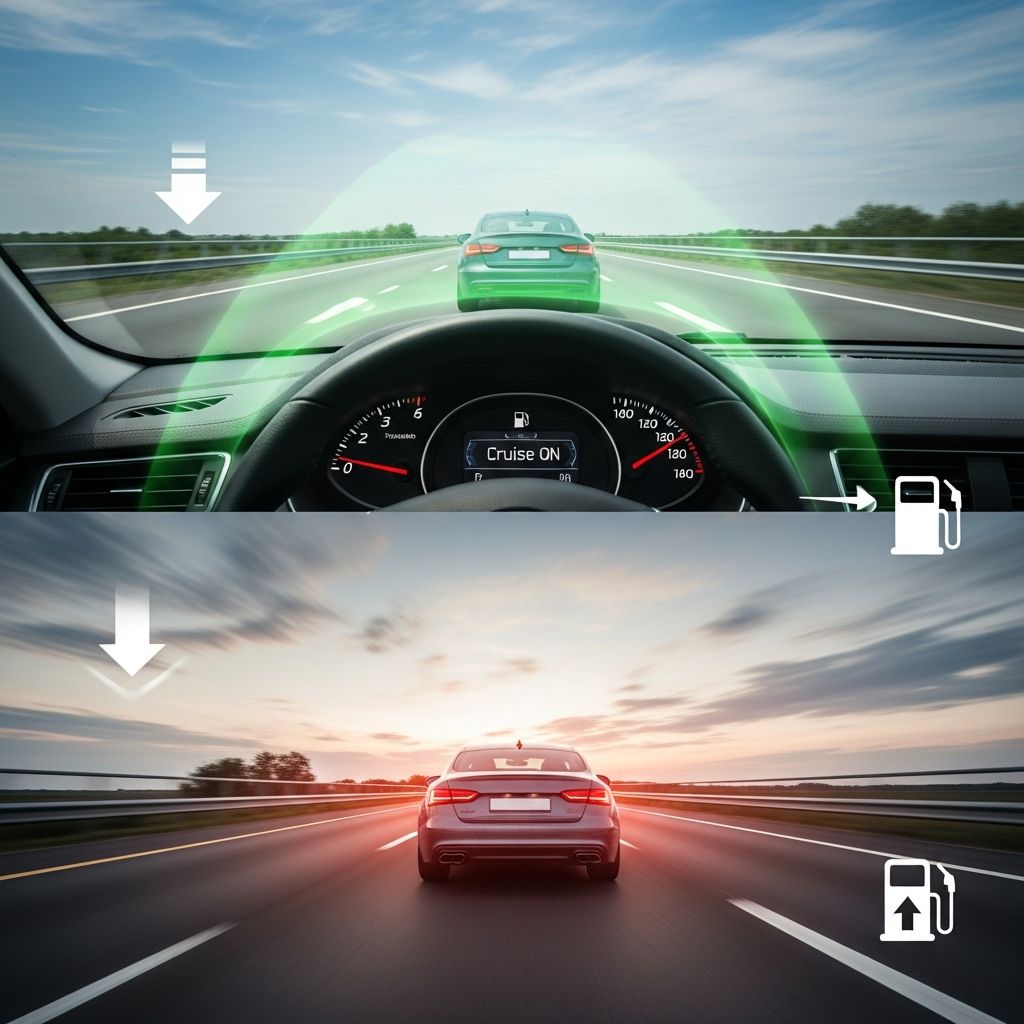
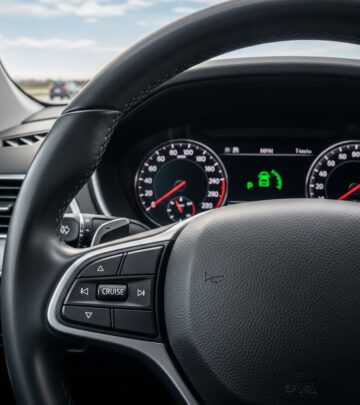
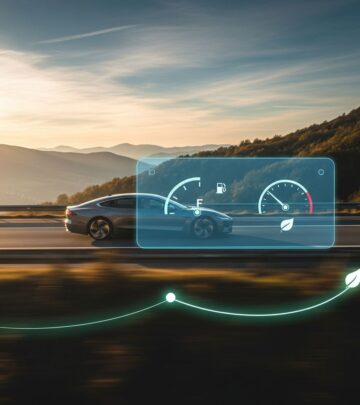
Cruise control maintains a vehicle’s set speed without constant accelerator input, potentially reducing fuel use by eliminating speed fluctuations common in manual driving. Studies show savings from 7% to 20% on flat highways, though results vary by terrain and system type.
Understanding Cruise Control Technology
Traditional cruise control uses sensors and throttle adjustments to hold a fixed speed, ideal for steady highway travel. It prevents the minor accelerations and decelerations that waste fuel, as human drivers often vary speed unconsciously.
Adaptive cruise control (ACC), a newer variant, employs radar or cameras to adjust speed based on surrounding traffic, maintaining safe distances. A 2024 study highlighted ACC’s superior performance, achieving 6.9% to 22% fuel savings depending on road conditions.
- Basic cruise: Fixed speed maintenance.
- Adaptive cruise: Traffic-responsive speed adjustments.
- Key benefit: Consistent throttle control optimizes engine RPMs for efficiency.
When Cruise Control Boosts Fuel Economy
On level highways with light traffic, cruise control excels by promoting steady speeds around 50-65 mph, where engines operate most efficiently. Natural Resources Canada research demonstrated that holding 49.7 mph used 20% less fuel than fluctuating between 46.6 and 52.8 mph every 18 seconds.
Edmunds testing reported average 7% savings, peaking at 14% in ideal scenarios. Drivers on long trips often note 2-3 MPG improvements, as it reduces fatigue-induced speed variations.
| Scenario | Fuel Savings | Source |
|---|---|---|
| Flat highway, steady 50 mph | 20% | Natural Resources Canada |
| Highway with minor variations | 7-14% avg. | Edmunds |
| Modern ACC systems | 6.9-22% | 2024 Study |
Limitations: Hills and Challenging Terrain
Cruise control struggles on undulating roads. To maintain set speed uphill, it increases throttle aggressively, spiking fuel use. Downhills see unnecessary braking or engine resistance, further eroding efficiency.
AAA Northeast’s Robert Sinclair Jr. noted that hills negate benefits, as constant speed demands more power on inclines than manual modulation—slowing uphill and accelerating downhill using momentum. Truckers exemplify this by coasting strategically for optimal economy.
J.D. Power emphasizes disengaging on hills: manual control allows gravity-assisted speed management, preserving fuel.
Adaptive Cruise Control vs. Traditional Systems
ACC outperforms standard cruise in variable conditions by anticipating traffic and terrain. It reduces harsh accelerations, yielding higher savings. However, on steep hills without traffic, traditional manual driving may still edge it out unless the system includes predictive features.
- ACC advantages: Traffic adaptation, smoother inputs, up to 22% savings.
- Drawbacks: Less effective in dense traffic or extreme inclines.
Real Driver Experiences and Data
Anecdotal evidence aligns with studies. Honda Accord owners report 42 MPG with cruise versus 38-39 without on 110-mile trips. Toyota Camry drivers hit 30+ MPG on long hauls using cruise on flats.
Forum insights stress context: effective on interstates under 65 mph with light traffic, but disengage for hills or congestion to avoid forced braking.
Factors Influencing Fuel Savings
Several variables affect outcomes:
- Speed choice: Optimal 50-60 mph; higher speeds reduce gains due to drag.
- Vehicle type: Hybrids/EVs benefit more via regen braking.
- Driving habits: Aggressive manual drivers save most; smooth drivers see minimal uplift.
- Weather: Avoid in rain/ice for safety.
Federal fuel economy data links aggressive habits (speeding, rapid accel) to 15-30% waste, which cruise mitigates on highways.
Additional Benefits Beyond Fuel
Cruise control reduces leg fatigue on long drives, enhances focus on road/traffic, and may lower speeding tickets by enforcing set limits. It minimizes driveline wear from repeated accel/decel cycles.
Tips for Maximizing Fuel Efficiency
- Engage only on flat, open highways.
- Disengage on hills: coast downhills, gradual accel uphill.
- Set speeds under 65 mph.
- Combine with steady following distance.
- Opt for vehicles with ACC if frequent highway use.
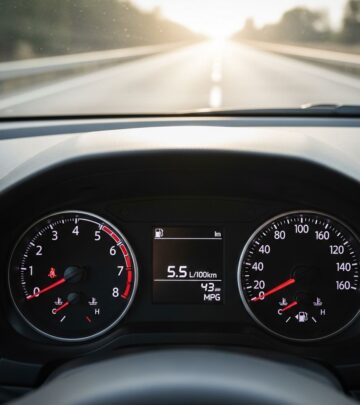
- Monitor real MPG via trip computer.
Choosing the Right Vehicle for Efficiency
High-MPG models amplify cruise benefits. Hybrids recover hill energy; EVs excel with regen. Test drive to verify system performance.
FAQs
Is cruise control worth it for gas savings?
Yes on flat highways (7-20% savings), no on hills. Use strategically.
Does adaptive cruise save more gas?
Often yes, up to 22% in studies, due to smarter adjustments.
Should I use cruise control in traffic?
ACC yes; traditional no, as frequent braking wastes fuel.
What’s the best speed for cruise control?
50-60 mph balances efficiency and safety.
Does cruise control work for EVs?
Yes, extends range similarly via steady speeds and regen.
References
- Pros and Cons of Using Cruise Control — Cofman Townsley. 2024. https://www.cofmantownsley.com/blog/auto-accident/pros-and-cons-of-using-cruise-control/
- Does Cruise Control Save Gas? — AAA Northeast. N/D. https://magazine.northeast.aaa.com/daily/life/cars-trucks/does-cruise-control-save-gas/
- Does Cruise Control Save Gas? — MotorTrend. N/D. https://www.motortrend.com/features/does-cruise-control-save-gas
- Does Cruise Control Save Gas? — J.D. Power. N/D. https://www.jdpower.com/cars/shopping-guides/does-cruise-control-save-gas
Similar Articles








Read full bio of Sneha Tete