Does Closing a Bank Account Affect Credit?
Discover if shutting down your checking or savings account impacts your credit score and learn steps to avoid any negative effects.
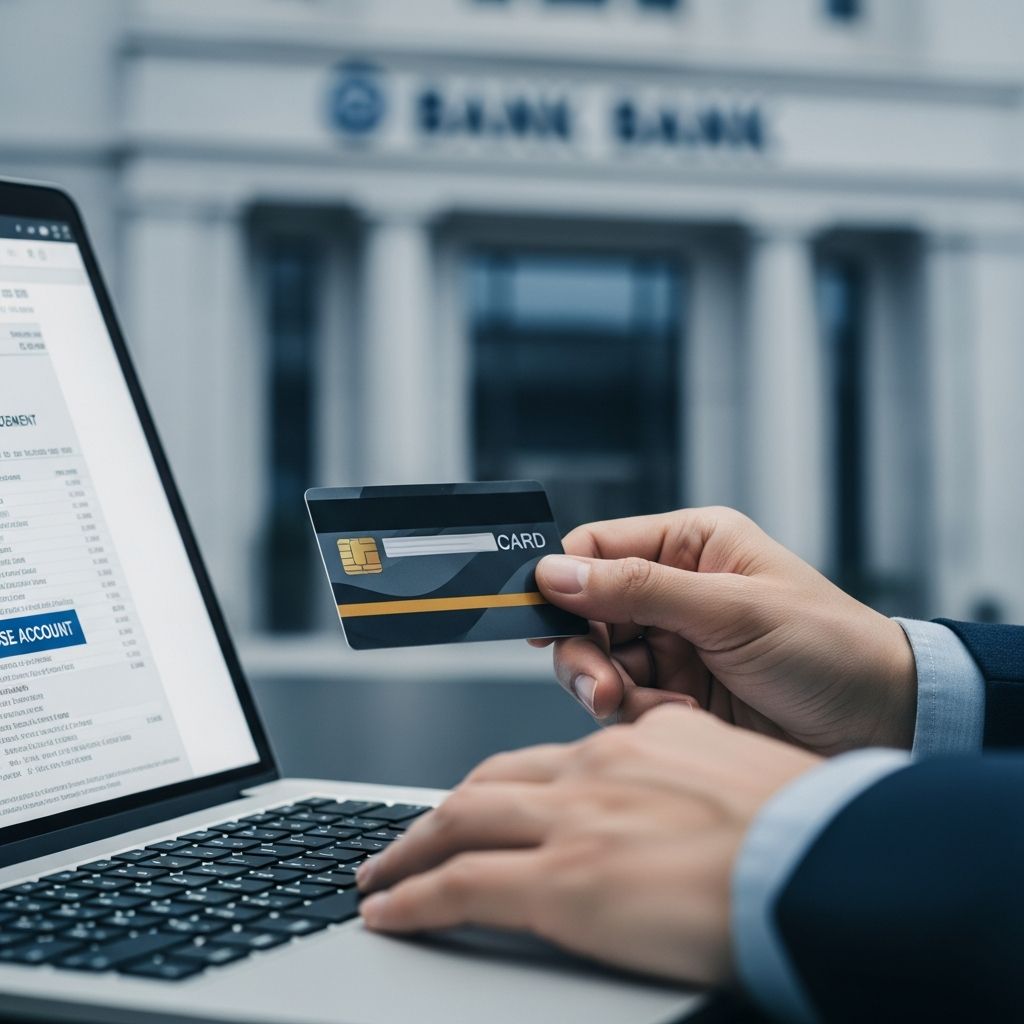
Shutting down a checking or savings account typically does not directly influence your credit score, as major credit bureaus like Equifax, Experian, and TransUnion do not routinely include banking data in their reports.
However, indirect consequences arise if the account closure involves unresolved problems, such as unpaid overdrafts or fees sent to collections, which can blemish your credit history for up to seven years.
Understanding Credit Reports and Bank Accounts
Credit reports primarily track credit-based activities, including loans, credit cards, and payment histories, rather than deposit accounts like checking or savings. The Consumer Financial Protection Bureau (CFPB) confirms that the big three bureaus generally exclude traditional bank account information from credit files.
This separation exists because banking relationships focus on deposits and withdrawals, not borrowing. Yet, when banking issues escalate to debt collection, they cross into credit territory, potentially lowering scores by 100 points or more depending on the debt size.
Direct vs. Indirect Effects on Your Score
Direct effects are minimal: Simply closing an account in good standing has no bearing on FICO or VantageScore models, which prioritize credit utilization, payment history, and account age.
Indirect effects can be significant: Problems emerge from account mismanagement. For instance, a negative balance forwarded to collections appears as a derogatory mark, impacting 35% of your FICO score tied to payment history.
| Scenario | Potential Credit Impact | Duration on Report |
|---|---|---|
| Good standing closure | None | N/A |
| Negative balance to collections | High (50-100+ points drop) | Up to 7 years |
| Missed auto-payments post-closure | Medium (late payment notation) | Up to 7 years |
| Bounced checks | Medium to high | Up to 7 years |
Risks When Accounts Aren’t in Good Standing
Financial institutions monitor account health closely. If you close with outstanding issues—like overdraft fees, unpaid charges, or a deficit—the bank may pursue recovery through collections.
- Overdrafts and fees: Unresolved charges can accrue and be sold to agencies, triggering credit inquiries and reports.
- Bank-initiated closures: Frequent overdrafts may lead to involuntary shutdowns, reported as negative events.
- Automatic payments: Failing to redirect bill pay setups results in missed payments reported by creditors.
These scenarios not only ding your score but also flag you on systems like ChexSystems, complicating future account openings for up to five years.
The Role of ChexSystems and Banking Reports
Unlike credit bureaus, specialized agencies like ChexSystems and Early Warning Services track checking account behaviors. Banks consult these before approving new accounts.
A problematic closure—such as one due to mismanagement—creates a record that can deny access to standard accounts, forcing reliance on second-chance options.
This banking-specific “credit score” operates separately but indirectly pressures your overall financial stability, as limited banking access hinders bill payments and savings.
Confusion with Credit Card Closures
Many mix up bank accounts with revolving credit. Closing a credit card reduces available credit, raising utilization ratios (30% of FICO score) and shortening history (15%).
Bank accounts lack limits or borrowing, so no such mechanics apply. However, if your bank account links to credit products like overdraft protection lines, closure could indirectly affect those.
Steps to Close an Account Safely
To minimize risks, follow this sequence:
- Open a new account first: Ensure seamless transition for direct deposits and payments.
- Update all automatic transactions: Notify employers, utilities, and lenders of new routing/account numbers.
- Clear balances and fees: Resolve any negatives before final closure.
- Request closure confirmation: Get written proof the account is closed in good standing.
- Monitor reports: Check credit and ChexSystems after 30 days for anomalies.
Pro tip: Maintain a small buffer balance during transition to avoid accidental overdrafts.
Long-Term Implications for Financial Health
Even without credit hits, repeated closures signal instability to lenders reviewing your full financial picture. Building a positive banking history bolsters loan approvals and better rates.
If damage occurs, focus on rehabilitation: Pay collections promptly, dispute errors via AnnualCreditReport.com, and use secured cards or second-chance banks to rebuild.
Common Myths Debunked
- Myth: All closures hurt credit. False—only problematic ones do.
- Myth: Banks report all activity to bureaus. No, only collections do.
- Myth: Closing unused accounts boosts scores. Irrelevant for banks; harmful for credit lines.
Frequently Asked Questions
Will closing my savings account affect my credit?
No direct impact, same as checking accounts. Ensure no linked debts.
How long does a collections mark from a bank stay on my report?
Up to seven years from the first delinquency date.
Can I check my ChexSystems report for free?
Yes, once annually via their site, similar to credit reports.
What if the bank closed my account involuntarily?
This often reports negatively to ChexSystems and possibly credit if collections follow.
Does switching banks frequently hurt credit?
Not directly, but patterns may concern lenders reviewing banking history.
Strategies for Maintaining Strong Credit During Bank Changes
Proactive management preserves scores:
- Choose banks with fee waivers and overdraft grace periods.
- Use budgeting apps to track balances.
- Opt for accounts without credit checks, like some digital providers.
- Build emergency funds to prevent overdrafts.
Regularly reviewing statements and scores via free tools ensures early detection of issues.
References
- Does Closing a Checking Account Affect Credit Score? — Midlands Bank. 2025-05-15. https://www.midlandsb.com/resources-articles/articles/2025/05/15/does-closing-a-checking-account-affect-credit-score
- Does closing a bank account affect your credit score? — Wise. N/A. https://wise.com/gb/blog/closing-bank-account-credit-score
- Does Closing a Bank Account Hurt Your Credit? — PNC Insights. N/A. https://www.pnc.com/insights/personal-finance/spend/does-closing-bank-account-hurt-credit.html
- Do Closed Bank Accounts Affect Credit Score? — SoFi. N/A. https://www.sofi.com/learn/content/closed-bank-accounts-and-credit-score/
- Does Closing a Bank Account Hurt Your Credit? — NerdWallet. N/A. https://www.nerdwallet.com/banking/learn/does-closing-a-bank-account-hurt-your-credit
- Does Closing a Bank Account Affect Your Credit? — Experian. N/A. https://www.experian.com/blogs/ask-experian/does-closing-a-bank-account-affect-your-credit/
- Will it hurt my credit if my bank or credit union closed my checking account? — Consumer Financial Protection Bureau. N/A. https://www.consumerfinance.gov/ask-cfpb/will-it-hurt-my-credit-if-my-bank-or-credit-union-closed-my-checking-account-en-1819/
Similar Articles








Read full bio of medha deb