Does Car Insurance Pay for Your Repairs If You’re At Fault?
Uncover how your policy responds when you're responsible for a crash, including coverage options and state-specific rules.
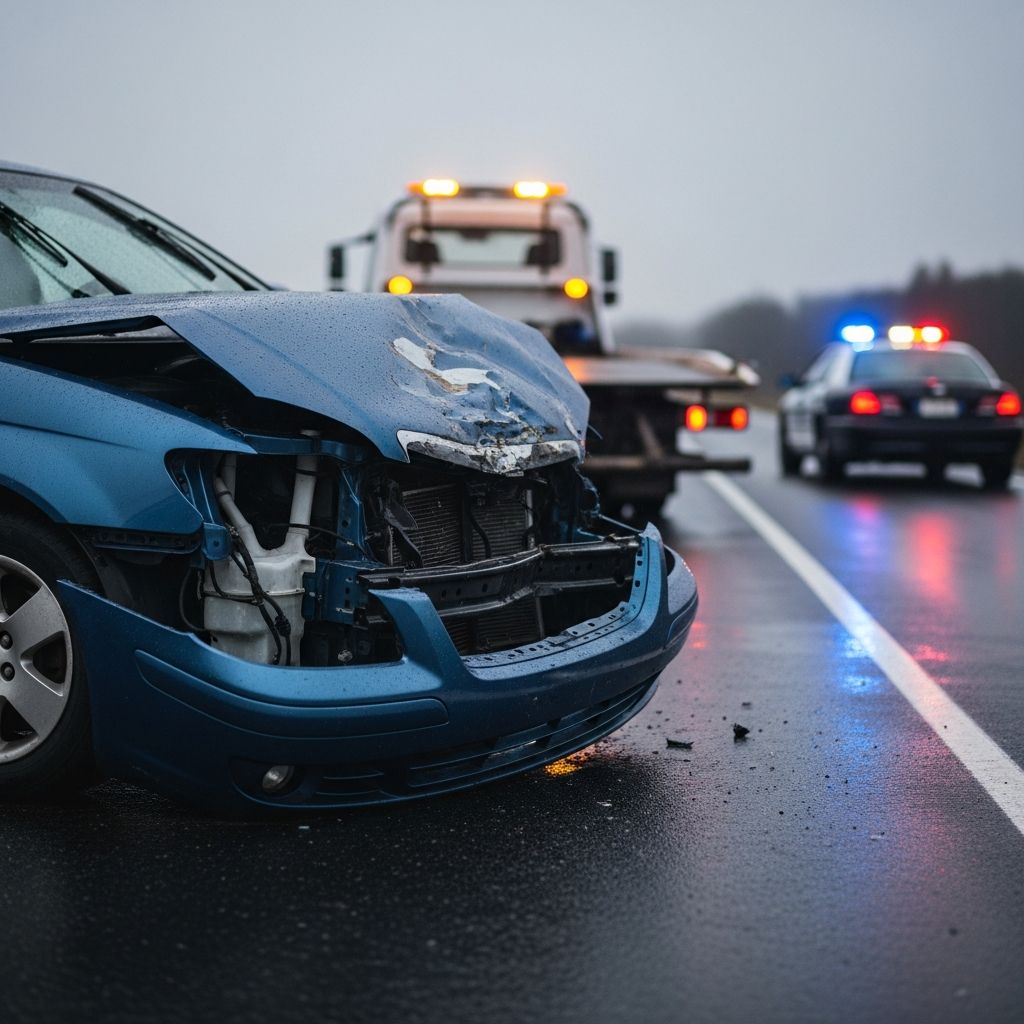
When you’re behind the wheel and cause a collision, the financial fallout can be daunting. Many drivers wonder if their auto policy steps in to fix their own damaged vehicle. The short answer hinges on your coverage types and state regulations: liability insurance protects others, but collision coverage handles your repairs regardless of fault.
Understanding Fault in Auto Accidents
Fault determination is the cornerstone of insurance claims. In most U.S. states, known as at-fault or tort states, the driver responsible for the crash bears financial liability for damages inflicted on others. This means your liability coverage pays for the other party’s repairs, medical costs, lost wages, and even pain and suffering up to policy limits.
Proving fault involves police reports, witness statements, photos, and insurance adjusters who inspect vehicles and scenes. Actions like running a red light, distracted driving, or failure to yield often assign fault to one party. In comparative negligence states, fault can be shared—say, 70% yours and 30% theirs—meaning each insurer covers the other’s proportional damages.
No-fault states, like Florida or Michigan, shift the focus: each driver’s personal injury protection (PIP) covers their own medical bills and wages initially, irrespective of fault. Property damage still follows at-fault rules, requiring liability for the other’s vehicle. Only severe injuries allow lawsuits beyond PIP limits.
Key Coverages That Matter After an At-Fault Crash
Your policy’s structure dictates what gets paid. Liability is mandatory in nearly all states and shields you from lawsuits by covering others’ losses. Bodily injury liability handles medical and non-economic damages; property damage liability fixes the other car.
For your vehicle, collision coverage is essential. It pays to repair or replace your car after a crash, whether you hit another vehicle, an object, or swerved into a ditch—fault irrelevant. Expect to pay a deductible first; insurers cover the rest up to your car’s actual cash value. Without collision, you’re footing the full bill if at fault.
Comprehensive coverage complements this for non-collision events like theft or hail, but not typical at-fault crashes. In no-fault states, PIP prioritizes medical costs over vehicle fixes.
| Coverage Type | What It Pays For | Applies When At-Fault? | Typical Deductible? |
|---|---|---|---|
| Liability (Bodily Injury) | Others’ medical bills, pain/suffering | Yes, for others | No |
| Liability (Property Damage) | Others’ vehicle/property repairs | Yes, for others | No |
| Collision | Your vehicle repairs/replacement | Yes, for your car | Yes ($500-$2000 common) |
| PIP (No-Fault States) | Your medical/wages | Yes, regardless of fault | Usually no |
Navigating Claims When You’re Responsible
Filing starts at the scene: exchange info, document everything, notify police. Contact your insurer promptly—delays can void claims. Expect an adjuster to investigate, valuing damages via appraisals or estimates.
If totals exceed limits, you’re personally liable for the difference. Underinsured? Gap coverage or higher limits prevent this. Appeals exist if you dispute fault or payouts; legal help may be needed for disputes.
- Photograph vehicles, injuries, and surroundings from all angles.
- Gather witness contacts and dashcam footage if available.
- Avoid admitting fault verbally—stick to facts.
- Report to your insurer within 24-48 hours per policy terms.
Financial Repercussions Beyond Repairs
At-fault claims often spike premiums. Insurers flag you as high-risk, raising rates 40-50% for 3-5 years. Frequency matters—one claim hurts less than multiples. Shop around post-claim; not all carriers penalize equally.
License points, SR-22 filings, or suspensions compound costs in serious cases. Long-term, build a clean record to recover rates.
Differences Across At-Fault and No-Fault Systems
At-fault (tort) states dominate: 38 plus D.C. Your liability pays others; collision fixes yours. No-fault (12 states) uses PIP for medical first, but allows fault claims for property and severe injuries. Hybrids like PA add choice.
Choose based on state—e.g., NY requires high liability minimums. Bundling home/auto saves, but verify coverages.
Steps to Strengthen Your Protection
Assess needs: higher limits (100/300/100) beat state minimums. Add collision/comprehensive for full shielding. Uninsured motorist coverage guards against hit-and-runs.
Defensive driving courses cut premiums 10-15%. Telematics track safe habits for discounts. Review annually—life changes demand updates.
Common Misconceptions Debunked
- Liability covers my car: No, only others’ damages.
- No-fault means no fault: Property still fault-based.
- Claims always skyrocket rates: Minor ones may not; compare quotes.
- Police report is final: Insurers independently decide.
Frequently Asked Questions
Will my rates increase after one at-fault accident?
Typically yes, by 40%+ for years, but shopping insurers mitigates.
Do I need collision coverage?
Not mandatory, but vital if your car value exceeds repair willingness.
What if damages exceed my limits?
Pay out-of-pocket or face lawsuits; up limits proactively.
Can I sue in no-fault states?
Yes, for serious injuries surpassing thresholds.
How is fault proven?
Via evidence, witnesses, adjusters—no single decider.
References
- Will Insurance Cover My Car Accident Injuries? — Super Lawyers. 2023. https://www.superlawyers.com/resources/motor-vehicle-accidents/will-insurance-cover-my-car-accident-injuries/
- How Does Car Insurance Work When You Are At Fault in an Accident? — BA Injury Law. 2024. https://baminjurylaw.com/idaho-car-accident-lawyer/how-does-car-insurance-work-when-you-are-at-fault/
- How Does Car Insurance Work When You Are at Fault? — JC Olsinski Law Firm. 2023. https://www.jcolaw.com/blog/how-does-car-insurance-work-when-you-are-at-fault/
- What Happens If I’m At Fault for a Car Accident? — Nolo. 2024. https://www.nolo.com/legal-encyclopedia/what-if-im-at-fault-for-a-car-accident.html
- What Happens If I Am At Fault for a Car Accident — Law Firm Davidoff. 2023. https://www.lawfirmdavidoff.com/blog/what-happens-if-i-am-at-fault-for-a-car-accident/
- Understand Who’s at Fault in a Car Accident — Allstate. 2024. https://www.allstate.com/resources/car-insurance/determining-fault-after-car-accident
- At-Fault vs. No-Fault Accidents — Progressive. 2024. https://www.progressive.com/answers/at-fault-vs-no-fault-accidents/
Similar Articles








Read full bio of medha deb