Does Car Color Raise Insurance Costs?
Unravel the truth behind the myth that red cars and other colors drive up your auto insurance premiums—experts say it's not that simple.
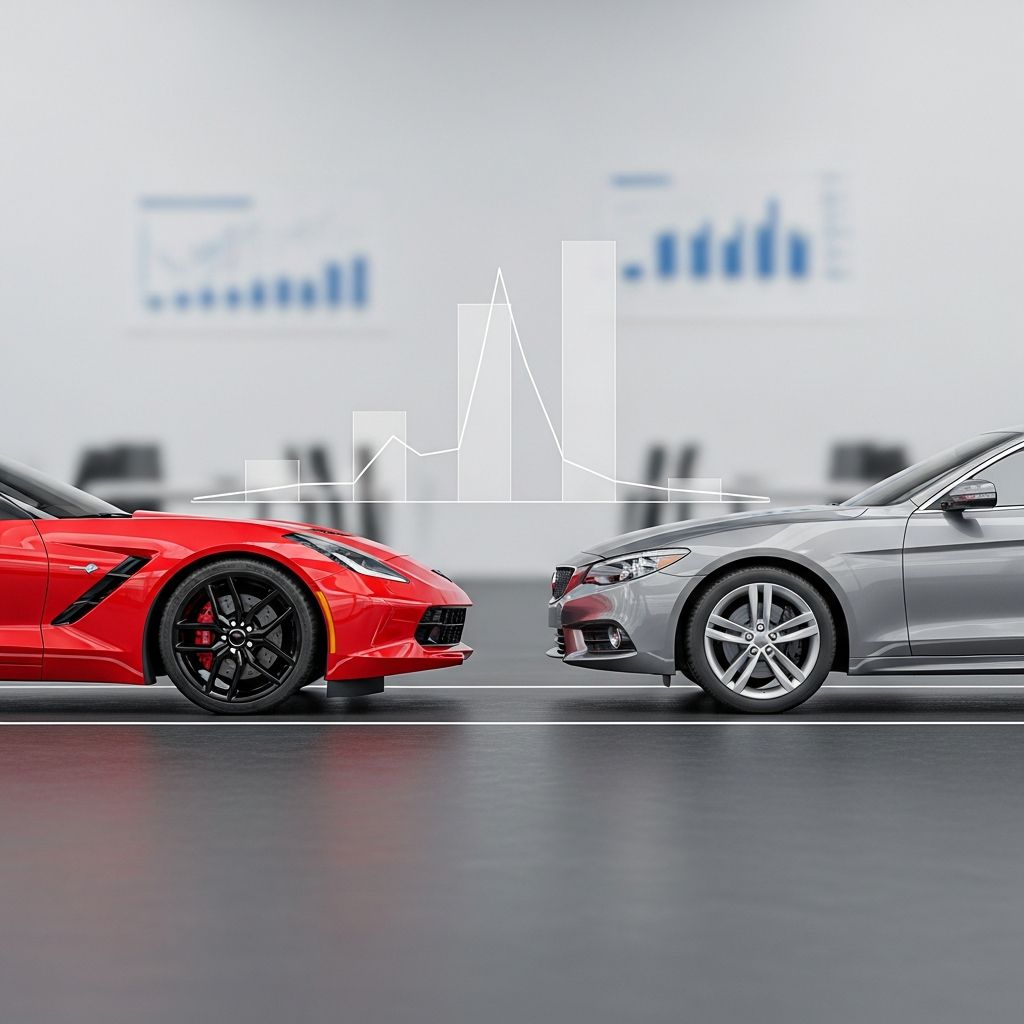
Many drivers wonder if choosing a vibrant red sports car will lead to higher insurance bills. This long-held belief suggests certain colors, especially red, signal riskier driving or attract thieves, bumping up premiums. In reality, major insurers do not use car color as a direct factor in calculating rates. Instead, they rely on data like vehicle value, repair costs, and driver history. This article explores the origins of the myth, indirect influences of color, and proven ways to lower your insurance expenses.
The Origins of the Car Color Insurance Myth
The idea that red cars cost more to insure dates back decades, fueled by urban legends and anecdotal stories. Surveys reveal widespread belief in this notion. For instance, a poll of over 1,000 young adults found 44% thought bright red vehicles led to pricier policies. Media portrayals of red cars as “speed demons” reinforce the stereotype, but insurers dismiss it outright.
Insurance experts from companies like Progressive and Allstate confirm color plays no role in premium calculations. They don’t even request color information during quoting processes. The Insurance Information Institute echoes this, stating color does not affect pricing. This consensus spans multiple authoritative sources in the industry.
Why Insurers Ignore Car Color in Rate Setting
Auto insurance pricing hinges on actuarial data predicting claim likelihood and severity. Color lacks statistical correlation with accident rates or theft risks at the level insurers need. Key factors include:
- Vehicle make, model, and year: Sports cars or luxury models cost more to repair, raising premiums regardless of hue.
- Driver profile: Age, location, mileage, and record dominate risk assessment.
- Safety features: Airbags, anti-lock brakes, and cameras lower rates.
- Usage and parking: Urban garaging increases theft exposure.
Color data would add noise without value, so it’s omitted. Even custom paint jobs only marginally impact rates if declared as added value, typically under $5,000 coverage limits.
Indirect Ways Color Might Influence Premiums
While direct effects are nil, color can indirectly sway costs through vehicle value and popularity. Popular shades like white (29% of vehicles), black (19%), and gray (17%) command higher resale prices due to demand. Higher vehicle value means elevated replacement or repair costs, indirectly hiking premiums.
| Color | Market Share (%) | Potential Indirect Impact |
|---|---|---|
| White | 29 | Higher value, pricier to insure |
| Black | 19 | Higher value, pricier to insure |
| Gray | 17 | Higher value, pricier to insure |
| Silver | 11 | Moderate value |
| Blue | 10 | Moderate value |
| Red | 9 | Moderate value |
| Brown/Beige | 2 | Lower value, potentially cheaper |
| Green | 1 | Lower value, potentially cheaper |
Data from Axalta shows rarer colors like orange (0.6%), beige (0.5%), and yellow (0.1%) on less desirable models may lead to slightly lower rates due to depressed values. Bright hues might deter thieves by standing out, but this effect is minor and unproven across insurers.
Real Factors That Drive Up Your Insurance Rates
Focus on these controllable elements for savings:
- Car age: Newer models with tech like blind-spot sensors cost 27% more than 5-year-old equivalents.
- Brand: Luxury marques like Maserati average $4,393 annually versus economy cars.
- Coverage choices: Higher limits or low deductibles increase costs; opt for balanced protection.
- Driving record: Tickets or accidents spike rates far more than any paint shade.
Demographics matter too—young males in cities pay most. Shop multiple quotes, as rates vary by insurer.
Debunking Specific Color Myths
- Red cars: No premium hike; myth persists from 44% of surveyed drivers.
- Black cars: Popularity raises value, not color itself.
- Bright colors: May reduce theft risk slightly due to visibility, but insurers ignore this.
- White cars: Top color by volume; demand-driven value increase only indirect factor.
Custom jobs require extra coverage, but standard factory paint is irrelevant.
Strategies to Minimize Your Auto Insurance Premiums
Beat high rates without changing your car’s look:
- Bundle policies: Combine home and auto for 10-25% discounts.
- Boost deductibles: From $500 to $1,000 saves hundreds yearly.
- Seek discounts: Good student, safe driver, or low-mileage perks add up.
- Install anti-theft: Devices cut theft risk substantially.
- Pay annually: Avoid monthly fees.
Compare via independent agents or online tools for best fits.
Common Misconceptions About Vehicle Insurance
Beyond color, myths abound: sports cars always cost more (true for repairs), or women pay less (rates are gender-neutral in most states now). Visibility myths claim black cars crash more at night—studies show minimal differences. Stick to data over hearsay.
Frequently Asked Questions
Do red cars really cost more to insure?
No, color has no direct impact. Premiums base on model, safety, and driver factors.
What colors are cheapest to insure?
Rare bright shades like green or orange might indirectly lower rates via lower value, but differences are negligible.
Does a custom paint job affect rates?
Yes, marginally—declare it for custom equipment coverage up to $5,000.
Why do popular colors like white cost more?
Higher demand raises vehicle price, increasing repair/replacement costs indirectly.
Can I save by choosing an unpopular color?
Not reliably; focus on model safety and your record instead.
Choosing the Right Coverage for Any Color Car
Whether red, blue, or beige, prioritize comprehensive protection. Liability meets legal minimums, collision covers accidents, comprehensive handles theft/weather. Gap insurance bridges loans on new cars. Review annually as life changes affect needs.
Insurers like those cited emphasize personalization. Young drivers might start minimal, adding as assets grow. Families opt broader shields.
References
- What Color Cars Are Cheaper to Insure? — Car and Driver. 2023. https://www.caranddriver.com/car-insurance/a36178270/what-color-cars-are-cheaper-to-insure/
- What Color Cars Are More Expensive To Insure? — CarParts.com. 2024. https://www.carparts.com/blog/what-color-cars-are-more-expensive-to-insure/
- What Color Cars Are More Expensive to Insure? — LA Insurance. 2024. https://lainsurance.com/blog/what-color-cars-are-more-expensive-to-insure
- Does car color impact auto insurance rates? — Insurance Business Magazine. 2023-10-12. https://www.insurancebusinessmag.com/us/news/auto-motor/does-car-color-impact-auto-insurance-rates-412670.aspx
- Do Red Cars Cost More to Insure? — Progressive. 2025. https://www.progressive.com/answers/red-car-myths/
- Do Red Cars Cost More To Insure? — Allstate. 2026-02. https://www.allstate.com/resources/car-insurance/do-red-cars-cost-more-to-insure
Similar Articles








Read full bio of Sneha Tete