Documents Needed to Open a Bank Account
Discover the essential paperwork and steps required to open a personal, joint, minor, business, or non-resident bank account effortlessly.
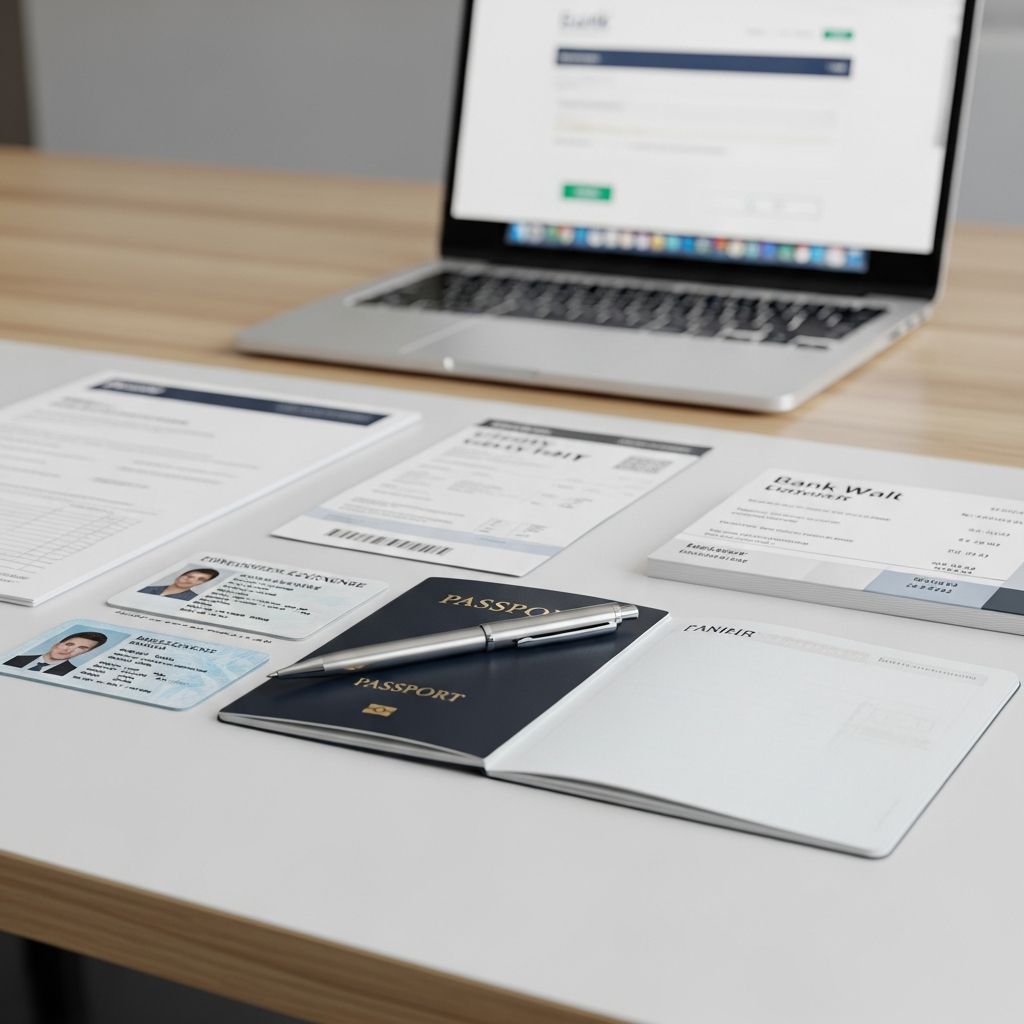
Establishing a bank account is a foundational step in managing personal finances, enabling secure transactions, savings growth, and access to digital banking tools. Financial institutions in the U.S. adhere to federal regulations like the USA PATRIOT Act, mandating identity verification to prevent fraud and money laundering. Whether applying online, at a branch, or for specialized accounts, preparation with the right documents streamlines the process and avoids delays.
Core Requirements for Standard Personal Bank Accounts
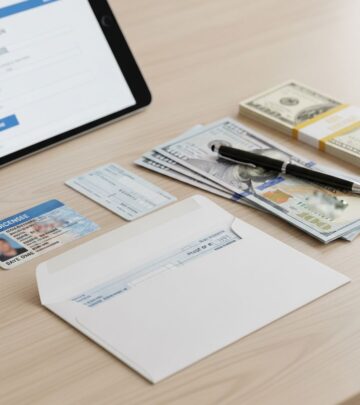
For most adults opening a checking or savings account, banks prioritize confirming your identity, residency, and tax status. Primary documents include a government-issued photo ID such as a driver’s license, passport, or state ID. A Social Security Number (SSN) or Individual Taxpayer Identification Number (ITIN) is typically required for tax reporting on interest earned.
Proof of a U.S. residential address is essential, often verified via utility bills, lease agreements, or bank statements dated within the last 60 days. Some institutions accept government mail or employer pay stubs. An initial deposit—ranging from $0 to $100—activates many accounts, fundable by cash, check, debit card, or ACH transfer.
| Document Type | Examples | Primary or Secondary ID? |
|---|---|---|
| Photo ID | Driver’s license, Passport, Green Card | Primary |
| Tax ID | SSN, ITIN | Required |
| Address Proof | Utility bill, Lease | Required |
| Funding | Cash, Debit, ACH | Often Required |
Navigating Online vs. In-Person Applications
Digital applications offer convenience for U.S. residents over 18 with a valid SSN/ITIN and U.S. address. Online processes upload scans of IDs and may involve instant verification via knowledge-based questions or credit pulls—though many checking accounts skip credit checks. Branches suit those without smartphones or needing immediate access, requiring originals for inspection.
Age thresholds vary: Wells Fargo allows online openings at 18, but teens under 18 must visit branches. Always confirm with the bank, as policies evolve with technology and regulations.
Opening Accounts for Minors and Joint Holders
Minors under 18 (or 19 in certain states) cannot open solo accounts due to legal capacity limits. A parent, guardian, or co-signer over 18 must apply jointly, providing their photo ID, SSN, contact details, and address proof. The minor supplies an SSN and basic info; no photo ID is typically needed from them.
- Joint accounts for adults require ID and signatures from all parties, ideal for shared finances like couples or families.
- Custodial accounts (UTMA/UGMA) build teen savings with adult oversight.
- Benefits include teaching financial responsibility while limiting minor access.
Solutions for Applicants Without Traditional Documents
Individuals lacking an SSN—such as recent immigrants—can use an ITIN, obtainable via IRS Form W-7. Some banks accept passports or Matricula Consular Cards as primary ID, paired with secondary proofs like student IDs. No-document options are rare due to federal mandates, but second-chance checking accounts cater to those with banking history issues, often requiring higher deposits.
Special Considerations for Non-U.S. Residents and Visitors
Non-residents, including international students and professionals, face stricter scrutiny but can open accounts with in-person visits. Essential documents include a passport, visa (F-1/J-1/H-1B), proof of local address (hotel bill or university letter), and ITIN/SSN if available. Some banks like Chase accept foreign driver’s licenses or employment authorization cards.
Online openings are limited; branches verify originals. Initial deposits remain standard, and accounts may restrict features until full residency is established.
Business Bank Accounts: Separating Personal and Professional Funds
Entrepreneurs must distinguish business from personal banking for tax compliance and liability protection. Sole proprietors need personal SSN, photo ID, business name, and address. LLCs/corporations require an Employer Identification Number (EIN) from the IRS, articles of organization/incorporation, operating agreements, and owner(s)’ personal IDs.
- Partnerships: Partnership agreement plus all partners’ details.
- Physical business address preferred; home offices accepted with proof.
- Minimum deposits and fees vary—compare transaction limits and waivers.
Business accounts offer invoicing, ACH, and higher limits but demand accurate filings to avoid rejection.
Selecting the Right Bank Account Type
Beyond documents, evaluate fees, interest rates, ATM networks, and perks like overdraft protection or mobile apps. Credit unions often waive fees for members. In 2026, prioritize accounts with unlimited transactions, early direct deposit, and robust cybersecurity.
| Account Type | Best For | Typical Min Deposit |
|---|---|---|
| Checking | Daily use | $25 |
| Savings | Growing funds | $0-$100 |
| Business | Companies | $100+ |
Frequently Asked Questions (FAQs)
Can I open a bank account without an SSN?
Yes, with an ITIN or passport for non-residents, though options are limited.
Do all banks require a minimum deposit?
No, but many do—check specifics like Wells Fargo’s $25 for checking.
What if I’m under 18?
A parent/guardian co-signs with their ID and SSN.
Can non-residents open online?
Rarely; in-person with passport/visa is standard.
Will opening an account affect my credit score?
Usually not for checking, but confirm with the bank.
Pro Tips for a Smooth Account Opening
- Research 2-3 banks for best terms.
- Bring extras: multiple IDs, recent bills.
- Update info for digital verification.
- Ask about fee waivers via direct deposit.
With proper preparation, opening a bank account empowers financial independence. Regulations ensure security, while diverse options fit every lifestyle.
References
- What Do You Need to Open a Bank Account? — PNC Bank. 2023. https://www.pnc.com/insights/personal-finance/spend/what-do-you-need-to-open-a-bank-account.html
- What You Need To Open A Business Bank Account In 2026 — Nav. 2026. https://www.nav.com/blog/what-do-i-need-to-open-a-business-bank-account-226440/
- How Non-US Citizens Can Open A Bank Account — Bankrate. 2024. https://www.bankrate.com/banking/non-us-citizens-bank-accounts/
- What Do You Need to Open A Bank/Checking Account? — Huntington Bank. 2023. https://www.huntington.com/learn/checking-basics/what-do-i-need-to-open-a-bank-account
- How to Open a U.S. Bank Account for Non-Residents — Chase Bank. 2024. https://www.chase.com/personal/banking/education/basics/us-bank-account-for-non-residents
- What you’ll need to open an Everyday Checking account — Wells Fargo. 2024. https://www.wellsfargo.com/checking/everyday/identification-required-to-open/
Similar Articles








Read full bio of medha deb