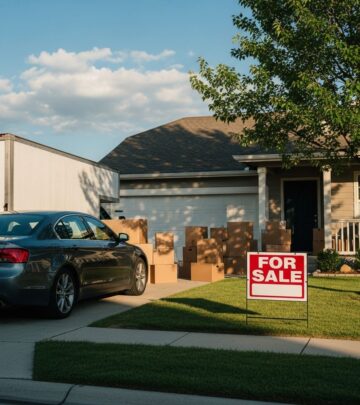
Do You Need Moving Insurance?
Explore moving insurance options to safeguard your belongings during relocation and make informed coverage decisions.

Relocating your home involves significant risks to your belongings, from accidental damage to theft or natural disasters. Moving insurance provides financial protection against these uncertainties, ensuring you aren’t left bearing the full cost of losses. While basic coverage comes standard with most professional movers, it often falls short for valuable items, prompting many to explore enhanced options.
Understanding the Risks of Moving Without Adequate Coverage
Household moves expose items to handling errors, transportation hazards, and environmental threats. Fragile electronics, antiques, and furniture can crack, scratch, or go missing. Statistics show that claims for damaged goods are common, yet inadequate insurance leaves homeowners undercompensated. Federal regulations mandate minimum liability for interstate moves, but local or DIY relocations may offer even less protection.
Consider a scenario where a 50-pound television worth $1,200 is dropped. Basic coverage might reimburse just $30, leaving you with substantial out-of-pocket expenses. High-value moves amplify this gap, making comprehensive insurance essential for peace of mind.
Core Types of Coverage Offered by Moving Companies
Professional movers provide standardized liability options, primarily two levels governed by federal law for interstate shipments. These are valuation coverages designed to define the carrier’s responsibility.
Released Value Protection: The Free Baseline
This no-cost option limits reimbursement to $0.60 per pound per item, calculated by weight rather than market value. It’s automatically included unless you opt for more.
- Best for low-value, sturdy items like clothing or kitchenware.
- Inadequate for electronics, art, or jewelry due to minimal payouts.
- Example: A 10-pound laptop ($800 value) damaged yields only $6 compensation.
While convenient, this coverage assumes you’re willing to accept depreciation and low limits, often pushing customers toward upgrades.
Full Value Protection: Comprehensive Replacement Standard
For added fees (typically 1-3% of shipment value), this covers repair, replacement with a like-kind item, or cash settlement at current market value, accounting for depreciation.
- Default for interstate moves unless waived, ensuring broader liability.
- Handles total loss or irreparable damage effectively.
- Example: That same $800 laptop would be fully replaced or reimbursed at depreciated value.
Movers must disclose terms, including exclusions for pre-existing damage or improper packing. Costs vary by distance and inventory value, but it offers superior protection for most households.
Third-Party Insurance: Bridging Coverage Gaps
Independent insurers provide policies supplementing mover liability, ideal for high-risk or valuable loads. These fill voids in carrier plans, covering scenarios like theft or disasters.
Priced at 1-5% of declared value, third-party options allow customization, including deductibles and specific perils. They’re especially useful for intrastate moves lacking federal mandates.
| Feature | Mover Full Value | Third-Party |
|---|---|---|
| Coverage Scope | Repair/Replace via Mover | Cash Payout, Broader Perils |
| Cost | 1-3% of Value | 1-5% of Value |
| Exclusions | Packing Errors, Acts of God | Customizable |
| Claims Process | Through Mover | Direct with Insurer |
Pros include flexibility for antiques or collectibles; cons involve extra premiums and dual claims if combining with mover coverage.
Specialized Coverage for Unique Needs
Catastrophic or ‘Acts of God’ Policies
These target rare events like floods, fires, or storms, often excluded from standard mover plans. Available via third parties, they protect against total shipment loss.
High-Value Item Floaters
For jewelry, art, or heirlooms, floaters offer all-risk coverage beyond weight-based limits. Homeowners policies sometimes extend these during transit.
Vehicle Shipping Insurance
When transporting cars, verify carrier certificates and your auto policy’s transit extensions. Notification to your insurer prevents coverage lapses.
Evaluating Existing Home or Renters Insurance
Standard policies cover belongings at home but may limit transit protection. ‘Trip transit’ riders add off-premises safeguards for fire, theft, or disappearance, excluding breakage.
- Check limits: Often 10% of total contents or $5,000 max.
- Add floaters for valuables.
- Confirm storage coverage to avoid gaps.
Combining homeowner extensions with mover basic liability can suffice for modest moves, saving on new premiums.
Factors Influencing Your Insurance Decision
Assess move distance, item values, and DIY vs. professional elements:
- Local Moves: State laws vary; basic coverage may be $0.30-$0.60/lb.
- Interstate: Federal standards apply.
- DIY with Rental Trucks: Purchase separate policies; carriers disclaim liability.
- High-Value Inventory: Inventory and appraise beforehand.
Calculate needs: List items, estimate replacement costs, and compare against basic payouts. Tools from insurers help quantify gaps.
Step-by-Step Guide to Securing Coverage
- Get Quotes: From 3+ movers, detailing valuation options.
- Inventory Belongings: Document condition and values with photos.
- Review Exclusions: Packing, inherent vice, or insufficient boxes void claims.
- Understand Deductibles: Higher ones lower premiums.
- Buy Early: Third-party policies need lead time.
- During Move: Supervise loading; note damages immediately.
Costs Associated with Enhanced Protection
Expect $100-$1,000+ depending on shipment size. Full value adds ~$5 per $500 declared value. Third-party scales with risk; shop for competitive rates.
| Shipment Value | Full Value Cost (Est.) | Third-Party (1-5%) |
|---|---|---|
| $10,000 | $100-$300 | $100-$500 |
| $50,000 | $500-$1,500 | $500-$2,500 |
| $100,000+ | $1,000+ | $1,000-$5,000 |
Common Myths About Moving Insurance
- Myth: Movers fully insure everything. Fact: Liability is limited without upgrades.
- Myth: Home insurance covers all transit. Fact: Extensions needed; limits apply.
- Myth: DIY moves need no insurance. Fact: Rental firms exclude contents liability.
Filing Claims: Best Practices
Act fast: Document damage with photos, file within 9 months for interstate. Provide receipts and inventories. Mover inspections at delivery aid disputes.
Frequently Asked Questions
Is moving insurance required?
No, but minimum liability is mandatory for licensed interstate movers. Enhanced coverage is optional yet recommended.
How much coverage do I need?
Match total replacement value of goods, prioritizing high-risk items.
Does renters insurance cover moves?
Limited; add transit riders for better protection.
What if I pack my own boxes?
Movers may limit liability for self-packed items; disclose contents.
Can I cancel full value protection?
Yes, in writing, but it reverts to basic released value.
Final Thoughts on Protecting Your Move
Choosing the right insurance balances cost and risk, tailored to your shipment. For most, full value protection suffices; add third-party for valuables. Always read policies and consult professionals to avoid surprises.
References
- Comprehensive Guide to Moving Insurance: Coverage, Costs, & Tips — Extra Space Storage. 2023. https://www.extraspace.com/moving/guides/tips/guide-to-moving-insurance/
- FMCSA Liability & Protection — Federal Motor Carrier Safety Administration. 2024-03-15. https://www.fmcsa.dot.gov/consumer-protection/protect-your-move/are-you-moving/liability-protection
- Types of Moving Insurance Offered By Movers — Moving Ally. 2023-08-10. https://movingally.com/blog/types-of-moving-insurance-offered-by-movers
- Getting the Right Insurance Coverage for Moving — Insurance Information Institute. 2024. https://www.iii.org/article/getting-right-insurance-coverage-moving
- The Ins and Outs of Moving Insurance — State Farm. 2024-01-22. https://www.statefarm.com/simple-insights/residence/the-ins-and-outs-of-moving-insurance
Similar Articles








Read full bio of Sneha Tete