Do You Need a License to Buy a Car?
Uncover the truth about driver's licenses for purchasing vehicles, from private sales to dealerships, and essential steps for legal ownership.
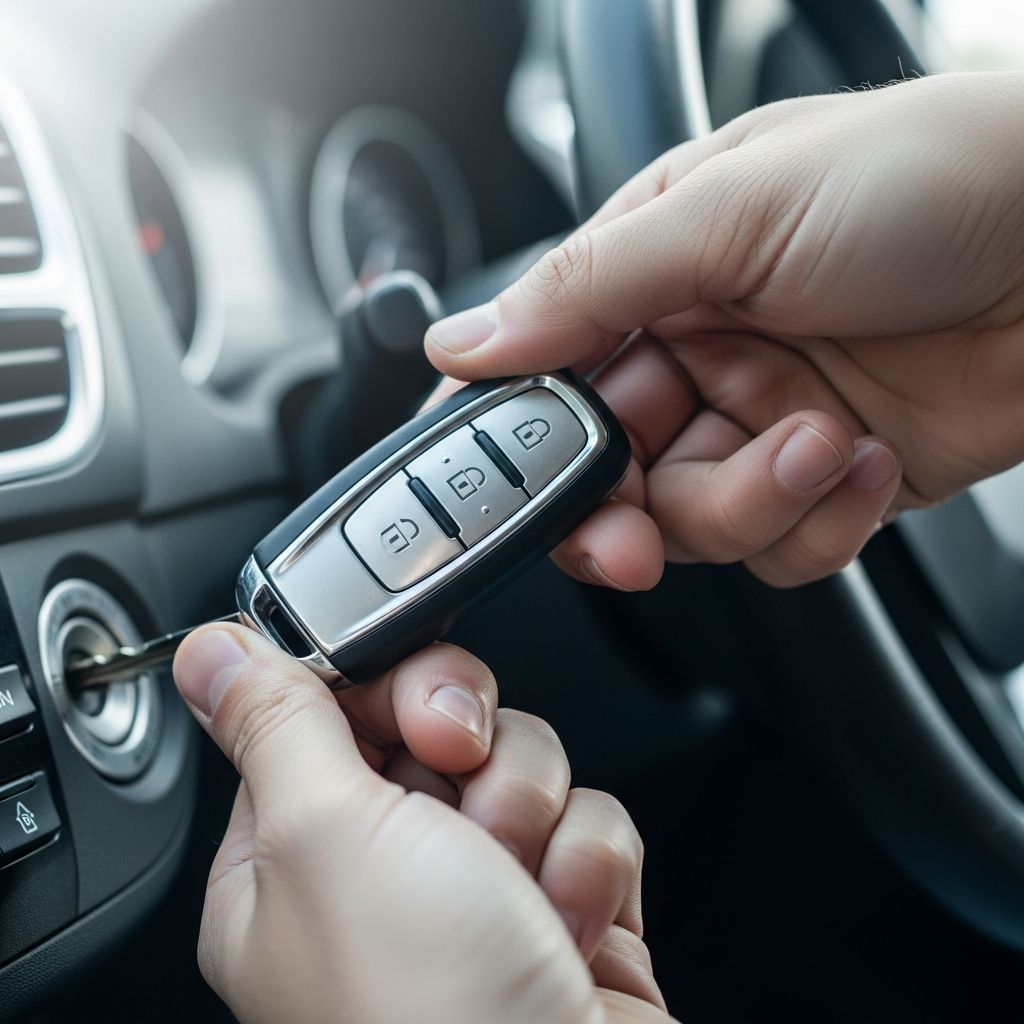
Purchasing a vehicle marks a significant milestone, whether for personal use, family needs, or investment. A common question arises: does a valid driver’s license serve as a prerequisite for buying a car? The straightforward answer is no—a driver’s license is not legally required to complete a vehicle purchase in most US states. However, practical considerations like test drives, insurance, and registration often make it advisable to have one.
This comprehensive guide delves into the nuances of vehicle acquisition without a license, highlighting legal frameworks, step-by-step processes, state variations, and best practices. Drawing from official regulations, it equips buyers with knowledge to navigate dealerships, private sellers, and DMV offices confidently.
Legal Basics: Purchasing Without a Driver’s License
US law separates the act of buying a vehicle from the privilege of driving it. Federal guidelines do not mandate a driver’s license for ownership transfer, and state DMVs focus on title and registration rather than driving credentials for sales transactions. For instance, private party sales typically involve signing a bill of sale and transferring the title, neither of which requires proof of driving eligibility.
Dealerships may request identification for paperwork, but this is usually a government-issued ID, not specifically a driver’s license. Non-drivers, such as teenagers or new immigrants, routinely buy cars for others to operate. Key takeaway: ownership and driving are distinct legal concepts.
Private Sales: Simplest Path for Non-Licensed Buyers
Buying from an individual seller offers the least hurdles. Here’s how it works:
- Locate a Vehicle: Use online marketplaces or local ads to find suitable options.
- Inspect and Negotiate: Arrange viewings; bring a mechanic if possible, as you can’t test drive without a license—rely on seller demonstrations.
- Complete Paperwork: Obtain a bill of sale, signed title, and odometer disclosure. Pay via cashier’s check for security.
- Handle Registration: Visit your DMV with documents; some states allow proxies or mail-in options.
This method avoids dealer financing scrutiny, making it ideal for license-free buyers. Always verify the seller’s ownership to prevent fraud.
Dealership Purchases: Added Layers but Feasible
Dealers streamline processes but impose stricter ID checks. While not requiring a driver’s license for the sale, they often need it for:
- Test drives (mandatory in most states).
- Financing applications (lenders prefer licensed applicants).
- Temporary tags issuance.
If unlicensed, opt for cash purchases or arrange co-signers. Many dealers accommodate by issuing permits for transport to a storage or mechanic site.
| Scenario | License Needed? | Alternatives |
|---|---|---|
| Cash Buy from Dealer | No | Hire tow service for delivery |
| Financed Purchase | Often Yes | Co-signer with license |
| Test Drive | Yes | Professional inspection service |
Financing a Vehicle Sans License
Securing a loan without a driver’s license is challenging but possible. Lenders evaluate credit, income, and down payments over driving status. Options include:
- Personal Loans: Unsecured from banks or credit unions, usable for any purchase.
- Co-Signer Strategy: A licensed relative or friend with strong credit boosts approval odds.
- Buy-Here-Pay-Here Lots: In-house financing with flexible ID requirements, though higher rates apply.
Expect thorough background checks; stable employment and residency proof are crucial.
Registration and Titling Essentials
Post-purchase, register the vehicle at your state’s DMV within 30 days typically. Required documents:
- Clean title from seller.
- Bill of sale or MSO (Manufacturer’s Statement of Origin for new cars).
- Proof of insurance (even if not driving).
- Emissions/safety inspections where mandated.
- Payment for fees and taxes.
Unlicensed owners must still insure against theft or damage. Some states permit ‘non-operational’ status to waive certain fees.
State-by-State Variations in Requirements
While uniform in not requiring licenses for buying, states differ in ancillary rules. California allows proxy registrations; Florida emphasizes sales tax collection at purchase. Check your DMV site for specifics.
- Strict States (e.g., Texas): Dealers must verify ID for temp tags.
- Lenient States (e.g., New York): Mail-in registrations common.
Always confirm with local authorities to avoid penalties like fines up to $500 for late registration.
Practical Challenges and Solutions for Non-Drivers
Lack of a license complicates logistics:
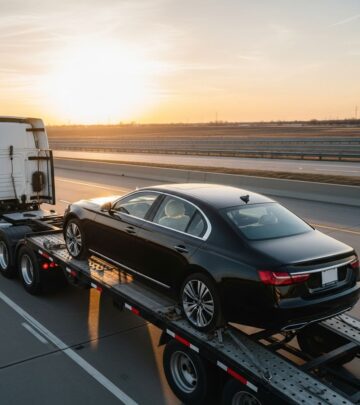
- Transport: Use flatbed towing ($100–$300) or drive-away services.
- Insurance: List yourself as owner; add licensed drivers for coverage.
- Taxes/Sales: Pay at DMV or dealer; unlicensed buyers qualify for exemptions in family transfers.
For gifts or inheritances, affidavits suffice without licenses.
Special Scenarios: Gifts, Leases, and Commercial Buys
Gifting Vehicles
Family transfers often bypass sales tax. Submit exemption forms; no license needed for recipient.
Leasing Without Driving
Leases require credit checks similar to loans. Lessors may demand a license for lessee but allow proxies.
Commercial Purchases
Fleets or businesses buy sans personal licenses using EIN and corporate docs.
Insurance Considerations for New Owners
All states mandate liability coverage before registration. Unlicensed owners need comprehensive/collision policies. Shop quotes from multiple providers; disclose non-driving status for accurate premiums.
Steps to Successfully Buy Your First Car License-Free
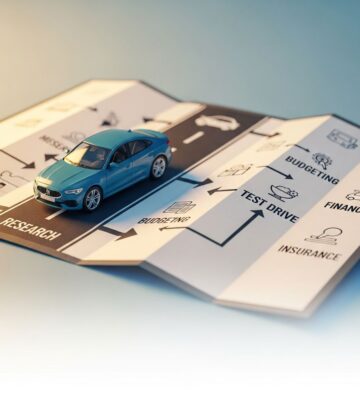
- Research vehicles and budget thoroughly.
- Gather ID (passport, state ID) and funds.
- Choose private or accommodating dealer.
- Conduct due diligence via VIN checks (NMVTIS.gov).
- Finalize paperwork and arrange transport.
- Register and insure promptly.
Frequently Asked Questions (FAQs)
Can I buy a car if my license is suspended?
Yes, suspension affects driving only, not ownership. Renew or resolve for full use.
Do I need a license to register a car?
No, but proof of identity is required; alternatives like passports work.
What if I’m buying for someone else?
Co-sign or gift it; ensure proper titling to avoid liens.
Is a learner’s permit sufficient?
For test drives, yes in some states; confirm locally.
Can non-US citizens buy cars?
Yes, with visa, passport, and ITIN/SSN for taxes.
Common Pitfalls to Avoid
- Skipping VIN Checks: Prevents odometer fraud.
- Ignoring Liens: Use Carfax or DMV searches.
- Delaying Registration: Incurs fees/penalties.
- Verbal Agreements: Always document everything.
By anticipating these, buyers ensure smooth transitions to ownership.
References
- Basic Licensing Requirements of Dealers — Dealer 101. 2023. https://dealer101.com/lessons/basic-licensing-requirements-of-dealers/
- Get Your Florida Vehicle Dealer License (10 Steps) — Dealer 101. 2024. https://dealer101.com/license/usa/florida/
- Florida Auto Dealer License Guide — Wayne Reaves. 2023. https://www.waynereaves.com/florida-dealer-license
- How to Become a Car Dealer: Requirements & Cost — Performance Surety Bonds. 2024. https://www.performancesuretybonds.com/blog/how-to-become-a-car-dealer/
- How to Get an Auto Dealer License | Step-By-Step Guide — Surety Bonds. 2024. https://www.suretybonds.com/guide/federal/auto-dealer-license
Similar Articles








Read full bio of Sneha Tete