Do You Need Every Student Loan Offered?
Discover smart strategies to borrow only what you need for college without overextending your future finances.

Students and parents often face a critical decision when financial aid packages arrive: accept every loan offered or borrow selectively? The answer is no—you do not have to borrow all student loans provided in your aid offer. This flexibility allows you to tailor borrowing to your actual costs, reducing long-term debt burdens amid evolving federal regulations.
Understanding Your Financial Aid Award Letter
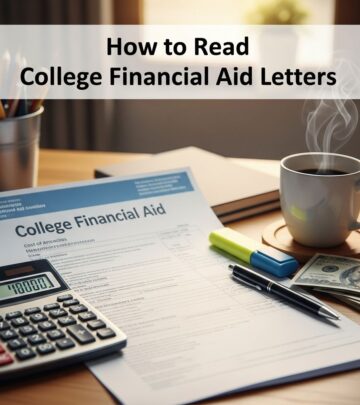
Financial aid award letters from colleges outline grants, scholarships, work-study, and loans. Loans appear as suggested amounts based on your estimated Cost of Attendance (COA), which includes tuition, fees, housing, food, books, transportation, and personal expenses. However, these are maximums, not mandates.
Key components include:
- Grants and scholarships: Free money that doesn’t require repayment.
- Work-study: Part-time jobs earning aid funds.
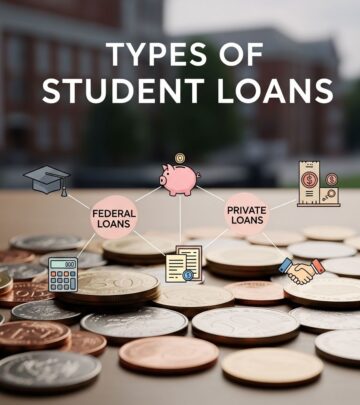
- Federal Direct Loans: Subsidized (need-based, no interest while in school) and unsubsidized (interest accrues immediately).
- PLUS Loans: For parents or graduate students, credit-based with higher rates.
To decide, subtract free aid and expected earnings from COA. The gap is your potential borrowing need—not the full loan amount listed.
Federal Student Loan Limits and Options
Federal loans have strict annual and aggregate limits set by Congress. For 2026-27 and beyond, significant changes under the One Big Beautiful Bill Act reshape availability.
| Loan Type | Annual Limit (Undergrad) | Aggregate Limit | 2026 Changes |
|---|---|---|---|
| Direct Subsidized/Unsubsidized | $5,500–$12,500 (dependent) | Varies by year | Prorated for part-time; counts toward $257,500 lifetime cap |
| Parent PLUS | Up to COA previously | No aggregate previously | $20,000/year, $65,000/dependent lifetime for new borrowers |
| Grad Unsubsidized | N/A | N/A | $20,500/year, $100,000 aggregate; Grad PLUS eliminated |
| Professional (e.g., PharmD) | N/A | N/A | $50,000/year, $200,000 aggregate |
These caps ensure borrowing aligns with program costs. Existing borrowers before July 1, 2026, may grandfather into prior rules for up to three years or program completion.
Calculating Your True Borrowing Needs
Avoid overborrowing by creating a realistic budget. Steps include:
- Review COA: Verify your school’s published figures against actual expenses.
- Subtract non-loan aid: Prioritize grants first.
- Estimate personal costs: Off-campus housing or frugal living can lower needs.
- Factor future repayment: Use calculators to project monthly payments based on expected salary.
For example, a $30,000 annual COA with $15,000 in grants leaves $15,000. If you secure a $5,000 scholarship and part-time job, borrow only $10,000. Tools from the U.S. Department of Education help simulate outcomes.
Risks of Borrowing More Than Necessary
Excessive loans lead to higher interest accrual, especially on unsubsidized types. Average undergraduate debt exceeds $30,000, with interest compounding over 10+ years. Post-2026, repayment simplifies to Standard or Repayment Assistance Plan (RAP), with forgiveness after 30 years—longer than prior IDR options.
Overborrowing delays milestones like homeownership. Data shows each $1,000 borrowed adds roughly $1,300 in lifetime cost at 5% interest over 10 years.
Alternatives to Maximize Aid Without Loans
Reduce reliance on loans through diverse strategies:
- Scholarships: Merit, need, or niche awards via Fastweb or institutional databases.
- Work-study or jobs: Campus roles offer flexible hours and networking.
- Community college transfer: Save on initial years before four-year schools.
- Private scholarships: Local organizations, employers.
- Employer tuition assistance: For part-time workers or parents.
In 2026, new Workforce Pell Grants support short-term training, expanding non-debt options.
Navigating 2026 Federal Loan Changes
Starting July 1, 2026:
- Part-time enrollment prorates loans proportionally.
- New $257,500 lifetime federal loan cap (excludes Parent PLUS for dependents).
- Grad PLUS ends for new borrowers; shift to capped unsubsidized.
- Repayment: Standard or RAP only for new loans; legacy access limited.
Students graduating in 2026 should front-load borrowing pre-deadline to retain flexible plans. Consolidations post-2026 treat you as new borrower.
Private Loans: When and How to Consider Them
If federal limits fall short, private loans fill gaps but lack protections like forgiveness. Compare rates (often 4-15%), terms, and cosigner needs. Use only after exhausting federal aid. Post-2026, with PLUS restrictions, demand may rise—shop via credible lenders.
Steps to Accept or Decline Loans
1. Log into your school’s portal or contact financial aid office.
2. Specify exact amounts for each loan type.
3. Confirm via award letter revision.
4. Master Promissory Note only for accepted loans.
You can increase later if needed, but reductions prevent unnecessary disbursement.
Long-Term Debt Management Strategies
Plan ahead:
- Budget in school: Minimize living costs.
- Grace period use: Six months post-graduation.
- Refinancing: Post-stabilization, but lose federal benefits.
- PSLF pursuit: For public service careers (transition rules apply post-2028).
Track via Federal Student Aid portal.
Common Myths About Student Borrowing
Myth 1: More loans mean better aid packages. Reality: Free aid is superior.
Myth 2: You must borrow full COA. Reality: Borrow to your certified need.
Myth 3: 2026 changes eliminate all flexibility. Reality: Legacy provisions protect current students.
Frequently Asked Questions
Can I borrow less than offered and increase later?
Yes, contact your aid office before disbursement; adjustments are common.
What if my costs change mid-year?
Request aid revisions with documentation like rent receipts.
Do 2026 caps apply retroactively?
No, new rules target post-July 1, 2026 borrowers, with grandfathering.
Is work-study better than loans?
Yes, it builds resume without debt.
What repayment options exist post-2026?
Standard (10 years) or RAP (income-based, 30-year forgiveness).
Empowering Your Financial Future
Borrowing wisely today secures tomorrow. By assessing needs accurately, leveraging alternatives, and staying informed on reforms, you control your debt trajectory. Consult your financial aid office early and use official calculators for personalized insights.
References
- Federal Loans: What’s Changing in 2026 — Saint Joseph’s University. 2026. https://www.sju.edu/financial-aid/whats-changing-in-2026
- What students need to know about changes to federal student loans — UAspire. 2026. https://www.uaspire.org/news-events/student-changes-to-loans
- Federal Student Loans in 2026: What the One Big Beautiful Bill Means for You — Citizens Bank. 2026. https://www.citizensbank.com/learning/how-the-one-big-beautiful-bill-act-affects-students.aspx
- Changes to 2026-2027 Federal Student Loans — Columbia University Student Financial Services. 2026. https://sfs.columbia.edu/content/changes-2026-2027-federal-student-loans
Similar Articles








Read full bio of medha deb