Do You Need Car Insurance?
Navigate state-specific car insurance mandates and discover why minimum coverage may not fully protect you on the road.

Car insurance stands as a cornerstone of responsible vehicle ownership in the United States, with nearly every state mandating some form of financial responsibility to ensure drivers can cover accident-related damages. While requirements differ by location, understanding these rules helps avoid penalties and safeguards against unexpected costs.
Why Car Insurance Is Essential for Drivers
Driving without proper insurance exposes you to severe financial risks, including liability for injuries or property damage caused to others. State laws aim to protect all road users by requiring coverage that addresses these scenarios. For instance, liability insurance pays for medical bills and repairs when you’re at fault, preventing personal bankruptcy from high-cost claims.
Beyond legal mandates, insurance provides peace of mind. It covers your own injuries via optional add-ons and protects against uninsured drivers, who cause about 13% of accidents according to federal data. Skipping coverage might save premiums short-term but leads to license suspension, vehicle impoundment, and skyrocketing future rates.
State Variations in Mandatory Coverage
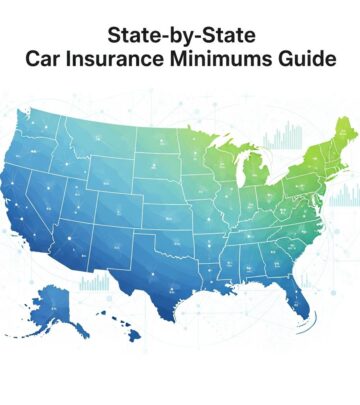
No two states enforce identical rules; most demand minimum liability limits expressed as 25/50/25, meaning $25,000 per person for bodily injury, $50,000 per accident for bodily injury, and $25,000 for property damage. New Hampshire uniquely allows driving without insurance if you post a bond or prove financial responsibility, though insurers recommend coverage there too.
| State | Bodily Injury (Per Person/Accident) | Property Damage | Additional Requirements |
|---|---|---|---|
| Alabama | $25,000/$50,000 | $25,000 | None |
| California | $15,000/$30,000 | $5,000 | UM/UIM optional |
| Illinois | $25,000/$50,000 | $20,000 | $25,000 UM |
| Michigan | $50,000/$100,000 | $10,000 | PIP up to $250,000 |
| Virginia | $30,000/$60,000 | $20,000 | $30,000 UM/UIM |
This table highlights select examples; full state-by-state details are available from insurance departments.
Breaking Down Core Coverage Types
Bodily Injury and Property Damage Liability
These form the foundation of required insurance in 49 states. Bodily injury handles medical costs, lost wages, and legal fees for others injured in accidents you cause. Property damage covers repairs to vehicles, fences, or structures. Minimums often fall short of real-world expenses—a fender-bender can exceed $5,000, while serious crashes average $20,000+ in damages.
Personal Injury Protection (PIP) and Medical Payments
In no-fault states like Florida, Michigan, and New York, PIP covers your medical bills and wage loss regardless of fault, with minimums varying (e.g., Florida: $10,000 property damage + PIP). Medical payments, required only in Maine, offer similar no-fault medical coverage but excludes lost income.
Uninsured and Underinsured Motorist Protections
About half of states mandate uninsured motorist (UM) coverage for scenarios where the at-fault driver lacks insurance. Underinsured motorist (UIM) kicks in when their limits are insufficient. Mandatory states include Connecticut, Illinois, New York, and Virginia, typically matching liability minimums.
- UM covers bodily injury and property damage from uninsured drivers.
- UIM supplements inadequate policies from at-fault parties.
- Opt-out possible in some areas, but experts advise keeping it.
Alternatives to Traditional Policies
Not everyone buys a standard policy. Options include:
- Self-Insurance: For high-net-worth individuals or fleets, proving liquid assets equal to state minimums (e.g., $40,000+ in certificates of deposit).
- Bonds or Cash Deposits: File with the DMV, often costlier upfront.
- Uninsured Motorist Fee: New Hampshire’s $500 annual fee substitutes for proof of insurance.
These alternatives suit few drivers due to complexity and risk; most opt for policies from licensed carriers.
Risks of Driving Underinsured
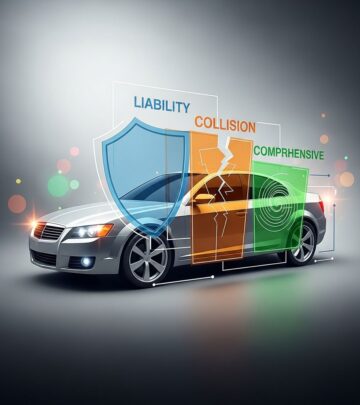
Minimum coverage leaves gaps. If damages exceed limits, you’re personally liable for the difference—potentially tens of thousands. Lenders require comprehensive and collision for financed vehicles, covering theft, weather, or crash repairs to your car. Without them, you’re out-of-pocket for a totaled vehicle.
Penalties for lapses include fines up to $1,000+, jail time in extreme cases, and SR-22 filings proving future compliance. Long-term, uninsured incidents raise premiums 20-50%.
Choosing Coverage Beyond the Minimum
Experts recommend 100/300/100 limits for robust protection, plus UM/UIM matching those amounts. Factor in your assets, driving habits, and vehicle value. Tools from insurers help customize; bundling with home insurance saves 10-25%.
Recent trends show rising costs—medical inflation and repair prices push claims higher, making higher limits prudent.
Frequently Asked Questions
Is car insurance required in every state?
Yes, except New Hampshire, where alternatives suffice. All others mandate liability or equivalent financial responsibility.
What happens if I get pulled over without insurance?
Expect tickets, towing, and suspension. Proof via app or card is standard now.
Do I need insurance for an unregistered car?
Typically no, if stored off-road, but check state rules—some require it for any owned vehicle.
Can I drop coverage on a paid-off car?
Legally yes in most states, but liability remains required. Skip comprehensive/collision at your risk.
How do no-fault states work?
Your PIP covers initial injuries; lawsuits limited unless severe. States like Michigan mandate high PIP limits.
Steps to Verify Your State’s Rules
- Visit your DMV or insurance department site.
- Compare quotes for minimum vs. recommended coverage.
- Review policy declarations for exact limits.
- Update for life changes like adding a teen driver.
Staying informed ensures compliance and security. Consult agents for personalized advice.
References
- What Type of Car Insurance Is Required by Law? — Super Lawyers. 2023. https://www.superlawyers.com/resources/motor-vehicle-accidents/what-type-of-car-insurance-is-required-by-law/
- How Much Car Insurance Does Each State Require? — Matic. 2023-06. https://matic.com/blog/how-much-car-insurance-does-each-state-require/
- Car Insurance Requirements by State — Progressive. 2026. https://www.progressive.com/auto/state/
- The Minimum Required Car Insurance by State — NerdWallet. 2026. https://www.nerdwallet.com/insurance/auto/learn/minimum-car-insurance-requirements
- Automobile Financial Responsibility Laws By State — Insurance Information Institute (III). 2026. https://www.iii.org/automobile-financial-responsibility-laws-by-state
- Car insurance laws by state — Nationwide. 2026. https://www.nationwide.com/lc/resources/auto-insurance/articles/insurance-law
Similar Articles








Read full bio of medha deb