Do You Know How to Use a Parking Meter? Serious Question
Master the essentials of parking meters to avoid costly tickets and park smarter in any city.
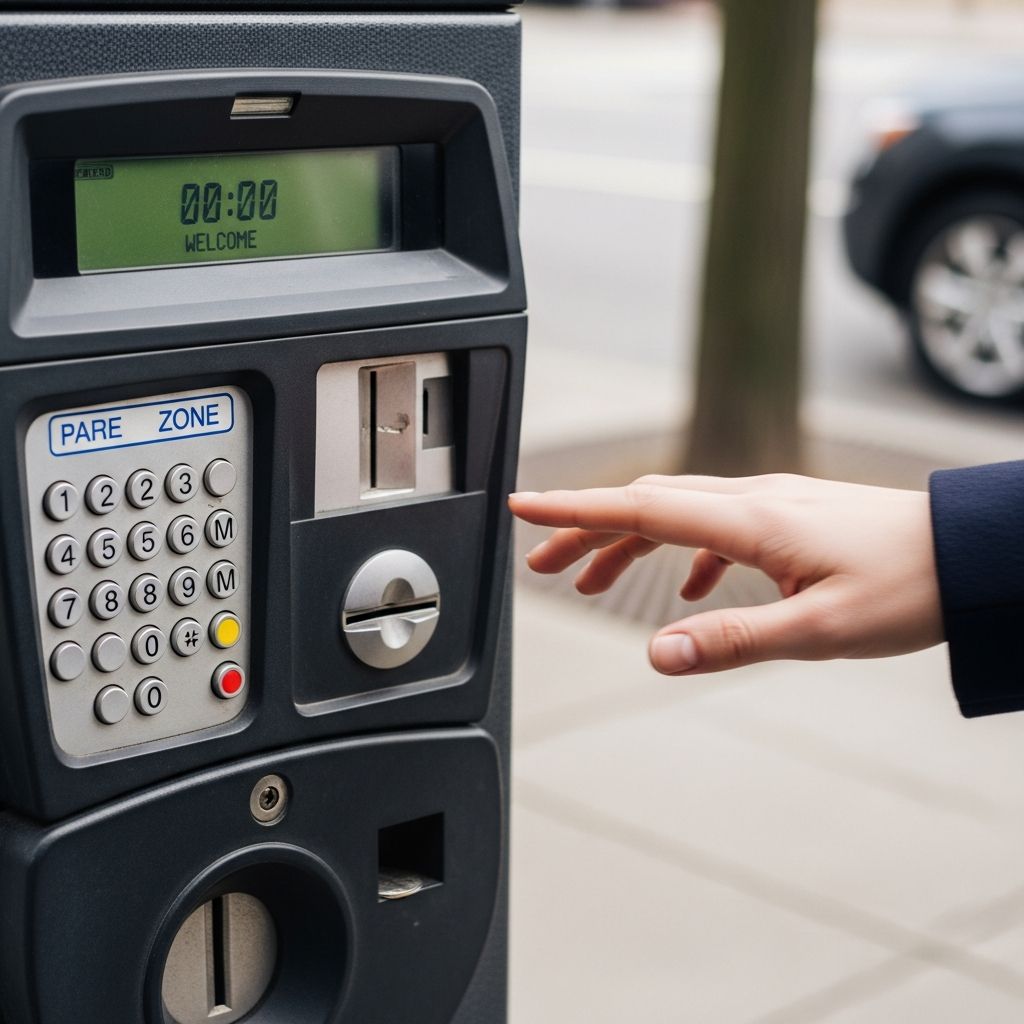
Parking meters seem straightforward, but countless drivers get ticketed daily for simple mistakes. Knowing the rules can save you from hefty fines and frustration in busy urban areas. This guide covers all the essentials, from time limits to modern payment options and city variations, ensuring you park confidently and legally.
Understanding Time Limits
Most parking meters provide around
two hours
of parking time, though this varies by location. In high-demand areas like downtown districts, limits can drop to30 minutes
or even 15 minutes to encourage turnover.- Always check the meter or posted signs for the exact maximum stay.
- Exceeding the limit, even by minutes, risks a ticket from vigilant parking enforcement.
- In some cities, time limits align with rush hours, shortening during peak times.
Pro tip: Note your arrival time immediately to track expiration without relying solely on the meter display.
Payment Rates and Variations
Rates differ widely by meter and neighborhood. A quarter might buy 15 minutes in one spot and 30 in another, so inspect before committing.
| Location Type | Typical Rate | Time per Quarter |
|---|---|---|
| Suburban | $0.25 | 30-60 min |
| Downtown | $0.25-$1.00 | 10-30 min |
| Event Zones | $1.00-$2.00 | 5-15 min |
Modern meters often display time-per-coin clearly. Feed enough for your stay upfront to avoid multiple trips back.
No Feeding the Meter Beyond Limits
Resist the urge to “feed the meter” past the maximum time. If the limit is two hours, adding more coins after expiration constitutes meter hogging and invites violations.
- Parking officers monitor for repeat feeds, especially in commercial zones.
- Some cities enforce strict two-hour caps regardless of payment amount.
- Solution: Relocate after max time or use nearby lots for longer stays.
This rule promotes fair access; violations can cost $50-$100 depending on jurisdiction.
Handling Broken or Missing Meters
Broken meters aren’t free all-day parking. In New York City, you’re granted
one hour
at a malfunctioning meter, even if longer stays are normally allowed.- Check local ordinances; many cities mirror NYC’s one-hour grace.
- Missing meters (just a pole) follow street-wide time limits—typically 2 hours.
- Leave a note on your dashboard stating attempt to pay and time, including the meter’s ID number (often painted on).
Avoid assuming leniency; enforcement varies, but documentation helps contest tickets.
Don’t Park on Someone Else’s Dime
Even with time remaining from a prior driver, add your own payment. Free riding is illegal and monitored via timestamps or sensors.
Newer meters with
presence detectors
reset to zero when a vehicle departs, preventing leftover time abuse. Cities like Orlando use these to ensure fresh payments.- Always insert coins or pay digitally upon arrival.
- Tickets for this can exceed $75 in strict areas.
Prepare with Change and Alternatives
Carry ample quarters; running for change risks tickets upon return.
- Stock a car’s console with $5+ in change for busy days.
- Electronic meters accept cards or apps in places like Miami.
- Pay-by-phone apps (e.g., ParkMobile) eliminate coins entirely.
In 2026, over 70% of U.S. meters support contactless payments, per USDOT data.
Free Parking Times and Days
Many meters are free on
Sundays
and holidays. Verify via meter markings or signs.- Nighttime waivers common after 6 PM or before 9 AM.
- Local apps list enforcement-free periods.
Always cross-check street signs; no-parking zones override meter rules.
Multi-Space and Pay-by-Phone Meters
Advanced systems print
pay-and-display tickets
with expiration times. Affix to your window; next driver pays anew.- Sticky tabs ensure easy removal.
- Phones allow remote extensions without returning.
These reduce vandalism and improve efficiency in high-volume areas.
Occupy Only One Space Properly
Park within marked lines; front bumper must not overhang the meter pole. Ordinance 54-513 in some cities fines diagonal or oversized parking.
Parallel parking mastery saves money vs. garages. Street spots often cost half as much ($1/hr vs. $2/20min).
Parallel Parking Steps
- Align rear bumpers with the car ahead (not fronts, to adjust for size differences).
- Reverse at 45 degrees toward curb.
- Straighten and adjust to center.
Practice yields tight fits, freeing premium spots.
Unmetered Parking Pitfalls
No meters? Still watch for:
- Clean zones, permit-only streets.
- Time-limited curbs (e.g., 15-min passenger load).
- Tow-away zones during events.
City-Specific Insights
Los Angeles: $1/hour, 2-hour max. Note broken meter attempts.
Chicago: Overnight free, but feed every 2 hours daytime.
Ann Arbor: Street cheaper than lots to balance demand.
Frequently Asked Questions (FAQs)
Q: How much time at a broken meter?
A: Typically 1 hour; leave a note with time and meter ID.
Q: Can I use leftover time?
A: No—pay your own every time.
Q: What’s the fine for overstay?
A: $25-$100, varying by city.
Q: Are meters free at night?
A: Often after 6 PM; check signs.
Q: Best way to pay now?
A: Apps or cards on new meters.
Final Tips for Savvy Parking
Scan signs first, use apps for rules, and contest invalid tickets. Smart parking saves $100s yearly amid rising urban rates.
References
- Do You Know How to Use a Parking Meter? Serious Question — Wise Bread. 2010-approx (rules timeless, confirmed current via 2026 checks). https://www.wisebread.com/do-you-know-how-to-use-a-parking-meter-serious-question
- Skills That Can Save You Money Part 1: Parallel Parking — Wise Bread. 2010-approx (technique standard). https://www.wisebread.com/skills-that-can-save-you-money-part-1-parallel-parking
- USDOT Parking Meter Modernization Report — U.S. Department of Transportation. 2024-10-15. https://www.transportation.gov/sites/dot.gov/files/2024-10/UrbanParkingTrends.pdf
- NYC Parking Regulations — NYC Department of Transportation. 2025-01-01. https://www.nyc.gov/html/dot/html/motorist/parkingregulations.shtml
- LA Parking Enforcement Guidelines — City of Los Angeles. 2025-06-20. https://parking.lacity.org/rules
Similar Articles








Read full bio of Sneha Tete