Do Returns Hurt Your Credit Score?
Discover how shopping returns impact your credit score through utilization changes, refunds, and potential pitfalls to avoid.
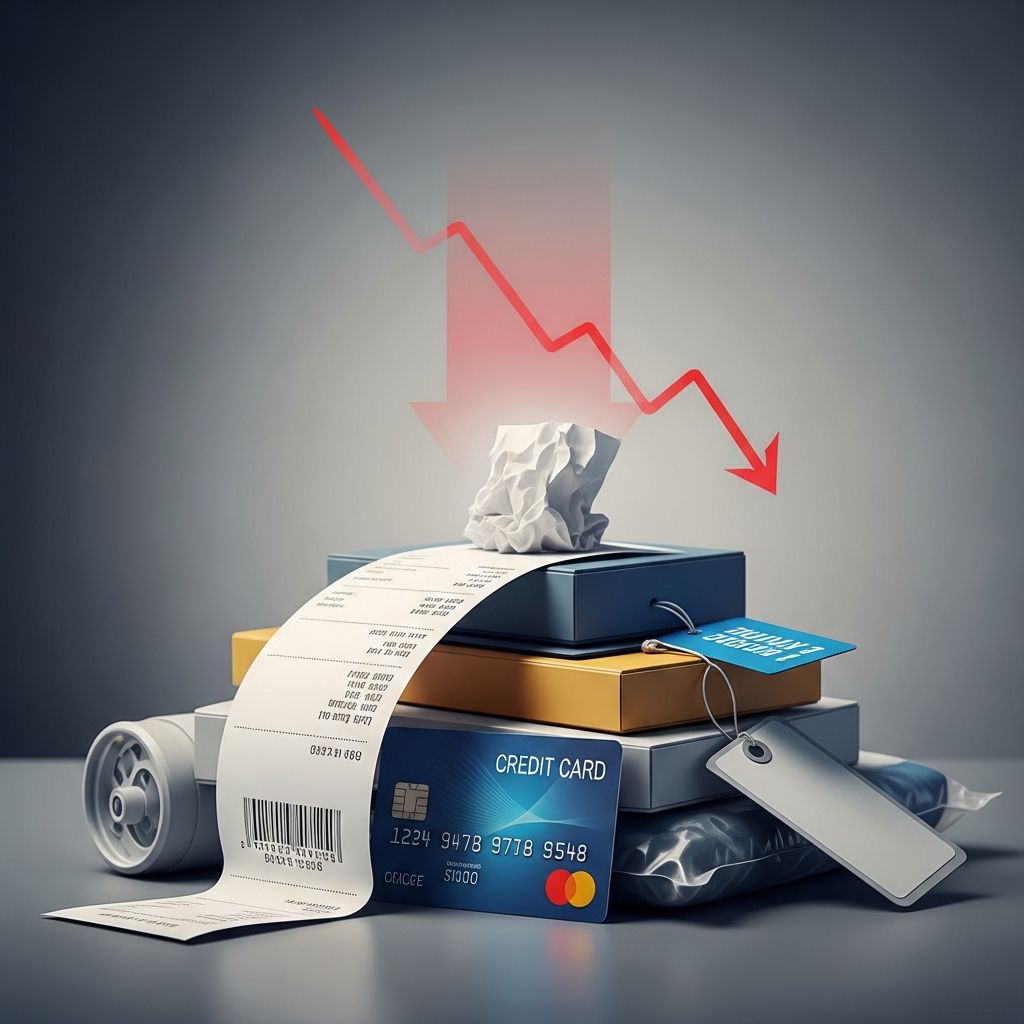
Returning purchased items generally does not directly damage your credit score, but the process can indirectly influence it, especially when using credit cards. Refunds often reduce your outstanding balance, improving your credit utilization ratio—a key factor in scoring models—and potentially raising your score.
Understanding Credit Utilization and Its Role
**Credit utilization** measures the percentage of your available credit that you’re currently using. It comprises about 30% of your FICO score, making it one of the most influential elements after payment history.
When you make a purchase on a credit card, your balance rises, increasing utilization. For optimal scores, experts advise keeping this ratio under 30%, ideally below 10%. A large buy, like electronics or appliances, can push utilization higher, temporarily lowering your score until the next statement cycle.
A refund from a return reverses this: it credits your account, drops the balance, and lowers utilization. This adjustment typically benefits your score, restoring it to pre-purchase levels or better, assuming other factors remain stable.
How Credit Card Refunds Process and Affect Scores
Credit card refunds aren’t instantaneous. Here’s the typical timeline:
- You return the item to the retailer.
- The merchant verifies and approves the return.
- They issue a refund request to your card issuer, which can take 3-10 business days to post.
- Once posted, your balance decreases, impacting utilization on the next credit bureau report.
If the refund posts before your statement closing date, the lower balance gets reported, aiding your score. But if the purchase spikes utilization and gets reported first, you might see a short-term dip until the refund reflects.
For example, with a $10,000 credit limit and $2,500 balance (25% utilization), a $1,000 purchase raises it to $3,500 (35%), potentially hurting your score. A refund brings it back to 25%, helping recovery.
Positive Impacts of Successful Returns
Most returns provide a net positive or neutral effect:
- Lower Balances: Reduces debt load, signaling responsible credit use.
- Score Recovery: Especially beneficial after big-ticket items like furniture or tech.
- No Direct Penalty: Retail returns aren’t reported to bureaus like Equifax, Experian, or TransUnion.
Studies from FICO emphasize low utilization as a hallmark of strong credit profiles. Frequent small returns have minimal impact, but strategic timing for larger ones can optimize scores.
Potential Risks and Negative Scenarios
While rare, returns can backfire under certain conditions:
- Delayed Refunds: If processing lags past your statement date, high utilization reports, causing temporary score drops.
- Disputes or Chargebacks: Escalating to disputes might flag your account, though isolated incidents rarely harm scores long-term.
- Financed Purchases: Returns on store financing or leases (e.g., appliances) could leave residual balances, leading to late fees or collections if unpaid.
- Excessive Returns: Patterns might prompt retailers to flag accounts, indirectly affecting credit if it leads to account restrictions.
Payment history remains paramount (35% of FICO). Any unpaid balances post-return can trigger negatives like delinquencies.
Comparing Payment Methods: Returns Across Options
Not all payment types react the same to returns. This table outlines key differences:
| Payment Method | Credit Impact of Return | Key Considerations |
|---|---|---|
| Credit Card | Usually positive (lowers utilization) | Timing matters; refunds take days. |
| Debit Card/Bank | No impact (direct account adjustment) | No utilization factor involved. |
| Store Financing | Variable (possible residuals) | Check contracts for fees. |
| Cash/Store Credit | None | No credit involvement. |
Strategies to Minimize Credit Risks During Returns
To ensure returns support rather than hinder your credit:
- Time Purchases Wisely: Buy well before statement close to allow refund processing.
- Monitor Statements: Track balances and utilization via free credit monitoring tools from bureaus.
- Pay Down Balances: Offset large purchases with payments to keep utilization low pre-return.
- Understand Policies: Review retailer return windows and refund terms upfront.
- Avoid Disputes if Possible: Resolve issues directly to prevent escalations.
Regular credit checks help spot issues early. Services like AnnualCreditReport.com provide free weekly reports from major bureaus.
The Bigger Picture: Credit Building Amid Shopping Habits
Returns are one piece of credit health. Focus on holistic management:
- Maintain on-time payments.
- Limit new credit applications.
- Diversify accounts without overextending.
Low utilization from refunds can complement these habits, accelerating score improvements. For instance, consistent low ratios over months build positive trends in your credit file.
Frequently Asked Questions (FAQs)
Does every return affect my credit score?
No, only credit card returns influence scores via utilization changes. Cash or debit returns do not.
Can a return cause my score to drop?
Temporarily yes, if high utilization reports before the refund. It rebounds quickly.
What about rewards points from the purchase?
Refunds typically reverse earned rewards like cash back or miles.
Are appliance or big-item returns riskier?
Yes, due to potential financing ties; always confirm balance settlements.
How soon does a refund improve my score?
After the next bureau reporting cycle, usually 30 days.
Final Thoughts on Smart Returning
Shop confidently—returns are a consumer right that rarely harm credit and often help via better utilization. Stay vigilant on timing and obligations to maximize benefits. Building credit is about patterns, not isolated transactions.
References
- Does Returning Items Affect Credit? — Experian. 2023. https://www.experian.com/blogs/ask-experian/does-returning-items-affect-credit/
- Does Returning Items Affect Your Credit Score? — Join Kudos. 2024. https://www.joinkudos.com/blog/returning-items-affect-credit-score
- The Return Policy of Your Credit Score — Scorekyahua Bank. 2024. https://www.scorekyahua.bank.in/blogs/the-return-policy-of-your-credit-score-does-sending-items-back-hurt/
- How Does Returning a Washer and Dryer Affect Your Credit? — Precision Appliance Leasing. 2024-12. https://precisionapplianceleasing.com/2024/12/how-does-returning-a-washer-and-dryer-affect-your-credit/
- Do Returns Affect Credit Score? — KOHO. 2024. https://www.koho.ca/learn/refunds-affect-credit-score/
- If You Return A Purchase, Can You Keep The Credit Card Rewards? — Bankrate. 2024. https://www.bankrate.com/credit-cards/rewards/lose-card-rewards-return-purchase/
Similar Articles








Read full bio of Sneha Tete