Do Parking Tickets Stay on Your Driving Record?
Learn how parking tickets affect your driving record and insurance rates.
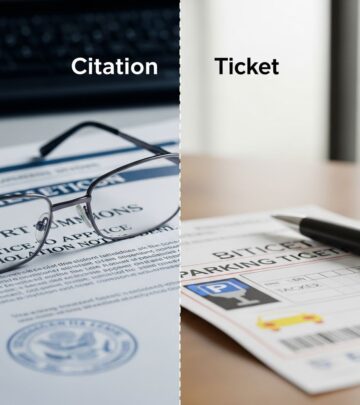
Parking tickets are among the most common traffic violations that drivers encounter. Whether you inadvertently parked in a restricted zone, overstayed a meter, or violated a parking regulation, many drivers wonder about the long-term consequences of these infractions. One of the most pressing questions is whether parking tickets remain on your driving record and how they might affect your insurance rates and overall driving history.
The short answer is that parking tickets typically do not appear on your driving record in the traditional sense. However, the situation is more nuanced than a simple yes or no answer, and understanding the differences between parking violations and moving violations is crucial for any driver.
Understanding the Difference Between Parking Tickets and Moving Violations
To properly answer the question about parking tickets and driving records, it’s essential first to understand the distinction between parking violations and moving violations.
Moving Violations vs. Parking Violations
Moving violations occur when a vehicle is in motion and the driver commits an infraction such as speeding, running a red light, reckless driving, or improper lane changes. These violations are typically recorded on your driving record by the Department of Motor Vehicles (DMV) and directly impact your driving history.
Parking violations, on the other hand, occur when a vehicle is stationary. Common parking violations include parking in a no-parking zone, exceeding meter time limits, parking in a handicapped space without proper authorization, or violating residential parking regulations. These infractions are generally handled by municipal governments or parking enforcement agencies rather than state motor vehicle departments.
Why Parking Tickets Don’t Usually Appear on Driving Records
The primary reason parking tickets don’t typically appear on your driving record is because they are not considered moving violations. Your official driving record, maintained by your state’s DMV, tracks violations committed while your vehicle is in operation. Since parking violations occur when the vehicle is stationary, they are managed separately by local authorities and parking enforcement agencies.
Instead of appearing on your DMV record, parking violations are typically recorded in:
- Municipal court records
- Local parking enforcement databases
- City or county government records
- Ticketing agency systems
How Parking Tickets Are Handled and Recorded
Understanding how parking tickets are processed and recorded can help you better manage your traffic violations and avoid potential complications.
Local vs. State Recording
Parking tickets are recorded at the local level by the municipality or parking authority that issued them. Each city or county typically maintains its own database of parking violations. These records may be accessible through local government websites or by contacting the specific jurisdiction that issued the ticket.
Your state DMV maintains a separate record of moving violations, which are violations committed while driving. When insurance companies or employers conduct background checks, they typically access your DMV record, not local parking violation databases.
Consequences of Unpaid Parking Tickets
While parking tickets may not appear on your official driving record, failing to pay them can have serious consequences:
- Late fees and penalties: Unpaid tickets accumulate additional fines and fees over time
- Vehicle registration suspension: Many states suspend vehicle registration for unpaid parking violations
- License suspension: In some jurisdictions, multiple unpaid parking tickets can lead to license suspension
- Debt collection: Unpaid tickets may be referred to collection agencies
- Legal action: The municipality may pursue legal action to collect unpaid fines
- Vehicle impoundment: In extreme cases, your vehicle may be impounded
Do Parking Tickets Affect Insurance Rates?
One of the most common concerns about parking tickets is whether they impact your insurance premiums. The answer depends on several factors.
Insurance Company Policies
Most insurance companies do not increase your rates based solely on parking violations. Since parking tickets don’t appear on your DMV driving record, most insurers don’t have direct access to this information through standard background checks. Insurance companies primarily focus on moving violations, accidents, and claims history when determining rates.
However, some insurance companies may conduct more detailed reviews and could potentially access local parking violation records. To understand your specific insurer’s policy, contact your insurance agent directly.
Situations Where Parking Tickets Might Matter
While rare, there are certain circumstances where parking violations could indirectly affect your insurance:
- Multiple violations: If unpaid parking tickets result in license suspension, this suspension will appear on your driving record and could increase insurance rates
- Related moving violations: If a parking citation is issued as part of a more serious traffic stop that also results in moving violations, the moving violations would affect insurance
- Negligent operation: Some parking violations, particularly those involving accidents or property damage, might be classified differently and could impact insurance
State-Specific Variations in Parking Ticket Handling
The treatment of parking violations varies by state and local jurisdiction. Some states and municipalities have stricter policies than others regarding how parking violations are recorded and what consequences follow unpaid tickets.
Key Variations by Jurisdiction
Different states implement different rules for parking violation management:
- Some states allow municipalities to suspend vehicle registration for unpaid parking violations
- Certain jurisdictions link unpaid parking violations to license suspension
- Some areas have implemented boot programs for vehicles with multiple unpaid violations
- Various municipalities offer amnesty programs for old, unpaid parking tickets
If you’re concerned about how parking tickets in your state might affect you, research your state’s DMV website or contact your local municipal court for specific regulations.
What to Do If You Receive a Parking Ticket
Receiving a parking ticket can be frustrating, but understanding your options helps you handle the situation effectively.
Immediate Steps
- Review the ticket: Carefully examine all information on the ticket for accuracy
- Document the location: Take photos of the parking area to verify whether signage was clear
- Note the time and date: Ensure the ticket timestamp matches when you actually parked
- Check for meter functionality: If applicable, photograph broken meters or faulty parking equipment
Payment Options
- Pay online through your municipality’s parking services website
- Pay by mail by sending payment with the ticket
- Pay in person at the local municipal court or parking office
- Arrange a payment plan for large amounts
Contesting a Parking Ticket
If you believe the ticket was issued in error, you have the right to contest it:
- Request a hearing: Most jurisdictions offer the opportunity to request a hearing before a hearing officer
- Gather evidence: Collect photographs, meter receipts, and any other documentation supporting your case
- Present your defense: Explain why the parking was lawful or why the citation was improper
- Follow procedures: Adhere to your jurisdiction’s specific procedures and deadlines for contesting tickets
How Long Do Parking Tickets Stay in the System?
The duration that parking violations remain in local records varies by jurisdiction. Some municipalities keep records indefinitely, while others archive records after a certain period. Even if tickets are archived, unpaid violations can continue to impact your vehicle registration and driving privileges.
Duration of Records
Parking violation records typically remain in local municipal systems for:
- Indefinitely in some jurisdictions (especially for unpaid violations)
- 5-10 years in other areas before being archived
- The duration of any vehicle registration suspension related to unpaid violations
Contact your local municipal court or parking authority to determine the specific retention policy in your area.
Frequently Asked Questions
Q: Will a parking ticket appear on my DMV driving record?
A: No, parking tickets typically do not appear on your official DMV driving record because they are not classified as moving violations. They are recorded locally by the municipality or parking authority that issued them.
Q: Can parking tickets increase my insurance premiums?
A: Typically, no. Since parking violations don’t appear on your DMV record, most insurance companies don’t have access to this information and won’t raise rates based on parking tickets alone. However, if unpaid tickets result in license suspension, this suspension could affect insurance rates.
Q: What happens if I don’t pay a parking ticket?
A: Unpaid parking tickets can result in late fees, vehicle registration suspension, license suspension, debt collection actions, and potential vehicle impoundment, depending on your jurisdiction.
Q: Can parking tickets affect my employment background check?
A: Most employment background checks focus on criminal records and serious traffic violations, not parking violations. However, some employers may conduct more thorough reviews that include local court records.
Q: How long do parking tickets stay on record?
A: The duration varies by jurisdiction. Some areas keep records indefinitely, while others archive them after 5-10 years. Unpaid violations typically remain active until settled.
Q: Can I contest a parking ticket?
A: Yes, most jurisdictions allow you to request a hearing to contest a parking ticket. You can present evidence and explain why you believe the ticket was issued in error.
Conclusion
Parking tickets, while frustrating and costly, typically do not appear on your official driving record maintained by your state’s DMV. Since they are not classified as moving violations, they are instead recorded locally by the municipalities or parking agencies that issue them. This distinction is important because it means parking violations usually don’t directly impact your insurance rates or employment background checks.
However, ignoring parking tickets can lead to serious consequences, including registration suspension, license suspension, and collection actions. It’s important to address parking violations promptly by either paying the fine or contesting the ticket if you believe it was issued in error. Understanding the differences between parking violations and moving violations, as well as your state’s specific regulations, can help you navigate these situations effectively and protect your driving privileges.
References
- Your Driving Record and Your Insurance — Insurance Information Institute. 2024. https://www.iii.org/article/what-affects-your-insurance-rates
- Traffic Violations and Driving Records — National Highway Traffic Safety Administration (NHTSA), U.S. Department of Transportation. 2023. https://www.nhtsa.gov/road-safety/traffic-safety
- State DMV Procedures for Moving Violations — American Association of Motor Vehicle Administrators. 2024. https://www.aamva.org/
- Parking Violations and Vehicle Registration — Municipal Finance Officers Association. 2023. https://www.mfoa.org/
- Understanding Your Rights When Contesting Traffic Citations — American Bar Association, Section of Litigation. 2024. https://www.americanbar.org/
Similar Articles








Read full bio of medha deb