Do Monthly Bills Impact Credit History: 5 Ways To Build Credit
Discover if paying rent, utilities, and phone bills on time can strengthen your credit profile or lead to setbacks.

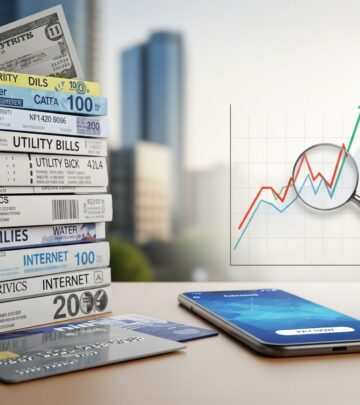
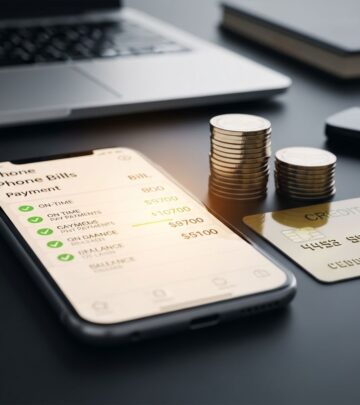
Paying monthly bills like utilities, rent, and telecom services on time generally does not automatically contribute to building your credit history because most providers do not report these payments to major credit bureaus. However, specific tools and circumstances can make these payments influence your credit positively or negatively.
Understanding Credit Reports and What Gets Reported
Credit reports from bureaus such as Experian, TransUnion, and Equifax primarily track activity from credit accounts like loans and credit cards. Utility companies, landlords, and telecom providers rarely submit payment data unless issues arise, meaning consistent on-time payments often go unnoticed by these systems.
This setup stems from the fact that these bills are not considered traditional credit products. Providers focus on their internal records rather than credit bureau reporting, which keeps your credit file focused on revolving debt and installment loans.
When On-Time Payments Can Enhance Your Score
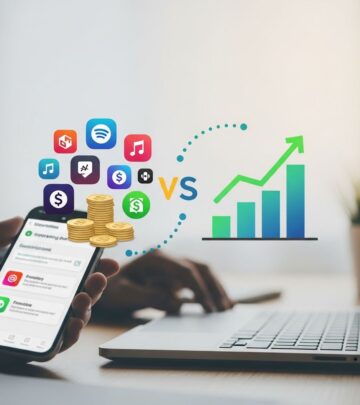
While standard reporting is limited, innovative services bridge this gap by incorporating non-traditional payment data. For instance, Experian Boost allows users to connect bank accounts, enabling the detection and inclusion of on-time utility, rent, and streaming payments into their Experian credit file. This can instantly raise FICO Scores based on Experian data, with many users seeing improvements upon activation.
- Connect eligible bank or credit card accounts used for bill payments.
- Experian scans for positive payment history over the past 24 months.
- Only on-time payments are added; late ones are ignored.
- Results apply solely to Experian reports and scores, not competitors.
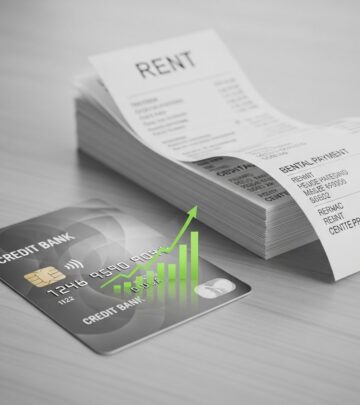
Other platforms, like rent-reporting services, charge fees to submit rent payments to all three bureaus, potentially aiding those without much credit history. Programs such as Bloom+ from financial institutions also report recurring debit transactions for utilities or rent to build credit from checking account activity.
Risks of Late or Missed Bill Payments
Conversely, neglecting monthly bills can severely damage credit. Providers typically do not report single late payments, but prolonged delinquency—often after 60-180 days—leads to account closure and referral to collection agencies. These collections appear on your credit reports across all bureaus and remain for seven years, significantly lowering scores.
Charge-offs occur when debts are deemed uncollectible after months of non-payment, further harming your profile. Medical debts face new rules: since July 2022, bureaus wait one year before adding collection medical debts, offering temporary relief.
| Bill Type | On-Time Effect | Late Payment Risk |
|---|---|---|
| Utilities (Electric, Gas, Water) | No automatic boost; possible via Boost | Collections after 3-6 months |
| Rent | Requires reporting service | Eviction/collections impact |
| Telecom (Phone, Internet) | Not reported; Boost eligible | Service cutoff and collections |
| Streaming Services | Boost compatible | Rarely escalates to collections |
Steps to Leverage Bills for Credit Building
To turn everyday expenses into credit-building assets, follow these actionable strategies:
- Enroll in Free Tools: Start with Experian Boost for immediate, no-cost inclusion of eligible payments. Verify detected transactions before confirming.
- Opt for Reporting Services: For rent, services like those mentioned by credit unions report to bureaus for a fee, ideal for thin credit files.
- Secure Credit-Builder Loans: Some banks offer loans where payments are reported, simulating bill-like activity with guaranteed positive history.
- Monitor Your Reports: Check free weekly reports at AnnualCreditReport.com to ensure no erroneous collections from bills appear.
- Automate Payments: Set up auto-pay to avoid oversights, preserving any potential positive reporting.
These methods particularly benefit young adults, immigrants, or those with limited credit, as they add positive payment history—the largest FICO factor at 35%—without new debt.
Common Misconceptions About Bill Payments and Credit
Many assume all bills equally affect credit, but reality differs. Cell phone providers may perform credit checks for device financing, causing temporary inquiries, yet monthly service payments seldom report. Similarly, health insurance premiums ignore credit bureaus unless unpaid balances enter collections.
Another myth: Paying bills in full monthly always helps. Without reporting, it does not; focus on accounts that do report, like credit cards, alongside bill-optimizing tools.
Broader Strategies for Strong Credit Alongside Bills
While optimizing bills, maintain core habits:
- Keep credit utilization under 30% on revolving accounts.
- Limit new applications to preserve inquiry-free history.
- Diversify with a mix of credit types if possible.
Combining these with bill-reporting services creates a robust profile faster than bills alone.
FAQs
Will my water bill payment improve my credit score?
Not automatically, as utilities do not report to bureaus. Use Experian Boost to include on-time payments for a potential Experian score lift.
Can rent payments build credit without extra services?
No, standard rent lacks bureau reporting. Paid rent-reporting apps can submit data for a fee.
How long do bill-related collections stay on my report?
Seven years from the delinquency date, impacting scores throughout.
Does Experian Boost affect all my credit scores?
Only Experian-based FICO Scores; TransUnion and Equifax remain unchanged.
Are there free ways to report phone bills to credit bureaus?
Yes, via Experian Boost if paid from connected accounts; no fees involved.
Future Trends in Non-Traditional Credit Data
Regulators and bureaus increasingly recognize alternative data. The CFPB encourages broader inclusion, potentially making bill payments standard in scoring models soon. Services like Bloom+ exemplify this shift, reporting bank transactions for credit building without credit products. Stay informed as updates could expand options.
Proactive management of monthly obligations, paired with emerging tools, empowers better financial health. Consistent payments signal reliability to future lenders.
References
- How Utility Bills Could Boost Your Credit Score — Experian. 2023. https://www.experian.com/blogs/ask-experian/does-paying-utility-bills-help-your-credit-score/
- How Paying Bills Can Affect Your Credit Score — American Express. 2023. https://www.americanexpress.com/en-us/credit-cards/credit-intel/paying-bills-can-affect-credit-score/
- Can Monthly Bill Payments Affect Your Credit Score? — Elevate Credit Union. 2023. https://elevatecu.com/blog/can-monthly-bill-payments-affect-your-credit-score
- What Bills Help Build Credit? — NerdWallet. 2023. https://www.nerdwallet.com/finance/learn/will-paying-bills-help-build-credit
- Getting Utility Services: Why Your Credit Matters — Federal Trade Commission (FTC.gov). 2023-02-06. https://consumer.ftc.gov/getting-utility-services-why-your-credit-matters
- Bloom+: Report Recurring Payments & Build Credit History — Navy Federal Credit Union. 2023. https://www.navyfederal.org/checking-savings/checking/resources/bloomplus.html
Similar Articles








Read full bio of Sneha Tete