Do Loyalty Programs Save You Money?
Explore whether store loyalty programs truly cut costs or lead to overspending for savvy shoppers.

Store loyalty programs offer points, discounts, and exclusive deals to encourage repeat shopping, but their true value for consumers hinges on disciplined use. While they can reduce costs on everyday purchases, they often spur higher spending, potentially negating savings for undisciplined users.
Understanding Loyalty Rewards Systems
Loyalty programs track customer purchases to provide tailored incentives, ranging from simple cashback to complex tiered structures. These systems collect data on buying habits, enabling retailers to personalize offers that boost engagement. For consumers, the appeal lies in perceived savings, but effectiveness depends on program design and personal habits.
Common formats include points accumulation for rewards, tiered memberships with escalating perks, and direct cashback on transactions. Each type aims to foster habit-forming shopping while rewarding frequency.
Key Benefits for Everyday Shoppers
Participation in these programs yields measurable advantages when used strategically. Members often enjoy higher retention rates, with studies showing a 5% retention boost linked to 25-95% profit increases for brands, translating to better deals for customers.
- Increased Retention Incentives: Rewards encourage repeat visits, making customers 79% more likely to recommend brands and 85% more inclined to repurchase.
- Higher Purchase Value: Programs elevate average order values through targeted promotions, providing more savings opportunities on bulk buys.
- Data-Driven Personalization: Retailers use purchase history for customized deals, like bonus points on preferred items, enhancing perceived value.
- Brand Advocacy: Satisfied members promote stores, indirectly benefiting the community through shared tips on optimal redemptions.
These perks shine for frequent shoppers at specific retailers, turning routine expenses into rewarded habits.
Hidden Drawbacks and Spending Traps
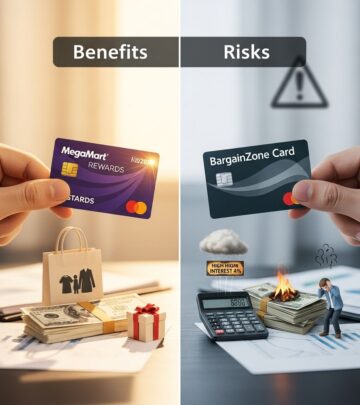
Despite attractions, loyalty schemes carry risks that can inflate expenses. Frequent shoppers may not equate to true loyalty; many chase rewards across competitors without brand attachment.
- Profit Erosion for Users: Generous rewards might seem free, but they often require minimum spends that exceed actual discounts.
- Program Complexity: Multi-tier systems or point expirations confuse users, leading to forfeited benefits.
- Shallow Commitment: Cashback lures deal-hunters who switch for better offers, rarely building lasting savings.
- Financial Strain: Overly attractive perks can damage retailer margins, prompting cuts like Target’s 2024 elimination of 1% blanket rewards.
Moreover, loyal members report heightened frustration during service issues, amplifying dissatisfaction compared to non-members. Market saturation means diminishing returns as programs proliferate.
Comparing Popular Loyalty Program Types
Different structures suit varied shopping styles. Here’s a breakdown:
| Type | Pros | Cons | Best For |
|---|---|---|---|
| Points-Based | Flexible redemptions; earns on all buys | High thresholds; expiration risks | Frequent, varied purchasers |
| Tiered | Escalating perks motivate upgrades | Alienates lower tiers; complex tracking | High-volume loyalists |
| Cashback | Immediate value; simple math | Eats margins; transient loyalty | Budget-conscious deal seekers |
| Discount | Instant savings on select items | Profit squeezes; brand switching | Price-sensitive shoppers |
This comparison highlights how points programs offer versatility but demand patience, while cashback provides quick wins at the risk of fleeting allegiance.
Real-World Examples of Program Impacts
Target’s 2024 shift away from universal 1% rewards illustrates retailer reevaluation for profitability, leaving members with targeted deals instead. Similarly, overly complex systems in tiered programs lead to member alienation if progress feels unattainable.
Successful cases, like those achieving 4.8x revenue ROI, reward consistent engagement without overpromising, ensuring consumer savings align with business viability. Consumers must monitor changes, as 90% of static programs underperform due to irrelevance.
Strategies to Maximize Savings
To leverage programs effectively:
- Select Wisely: Join only 3-5 programs matching your top spending categories to avoid overload.
- Track Expirations: Set reminders for points and tiers to prevent losses.
- Align with Habits: Focus on stores you frequent naturally, ignoring lure of novelty rewards.
- Calculate True Value: Divide rewards by total spend; aim for at least 2-5% effective return.
- Combine Offers: Stack with credit card rewards for compounded benefits.
Regular audits ensure programs deliver net positives, avoiding the trap of reward-chasing.
When Loyalty Programs Fail Consumers
Not all setups benefit users. Small businesses may lack resources for robust systems, resulting in gimmicky perks. Ending programs abruptly strands accumulated value, eroding trust. Data limitations mean generic incentives ignore evolving needs, fostering neglect among long-term shoppers.
Financial pitfalls arise when rewards mask overspending; businesses must balance generosity to sustain offerings, indirectly affecting user savings.
Future Trends in Rewards Evolution
Modern programs shift toward real-time personalization over rigid points, adapting to behaviors for sustained relevance. With 3.3 billion U.S. memberships, innovation focuses on emotional connections to combat saturation. Consumers benefit from smarter incentives, but vigilance remains key.
Frequently Asked Questions
Are loyalty programs worth joining?
Yes, if they match your habits and yield 2%+ returns; otherwise, they may encourage unnecessary spending.
Do points expire in most programs?
Often yes, after 6-24 months of inactivity, so redeem promptly.
Can loyalty programs increase my debt?
Possibly, if rewards prompt impulse buys beyond budget.
How many programs should I have?
Limit to top spend areas to manage effectively.
Do they work for small purchases?
Better for frequent or high-volume shopping; low-spend yields minimal value.
References
- Do Loyalty Programs Really Work? What the Research Says — Tremendous. 2024. https://www.tremendous.com/blog/how-loyalty-programs-work/
- 8 Types of Loyalty Programs: Pros & Cons — Arrivia. N/A. https://www.arrivia.com/insights/types-of-loyalty-programs/
- Pros and Cons of Loyalty Programs — Loyalty Reward Co. N/A. https://loyaltyrewardco.com/pros-and-cons-of-loyalty-programs/
- The pros and cons of running loyalty programs — Voucherify. 2025-02-06. https://www.voucherify.io/blog/loyalty-programs-pros-and-cons
- Pros and Cons of Loyalty Programs — Stamp Me. N/A. https://www.stampme.com/blog/pros-and-cons-of-loyalty-programs/
- Loyalty Advantages and Disadvantages: Exploring Pros & Cons — White Label Loyalty. N/A. https://whitelabel-loyalty.com/blog/loyalty/advantages-and-disadvantages-of-loyalty-programs/
- Why Customer Loyalty Programs Can Backfire — Harvard Business Review. 2021-05. https://hbr.org/2021/05/why-customer-loyalty-programs-can-backfire
Similar Articles








Read full bio of medha deb