Do Late Rent Payments Damage Credit Scores?
Discover how overdue rent can impact your credit score, when landlords report delinquencies, and strategies to protect your financial future.
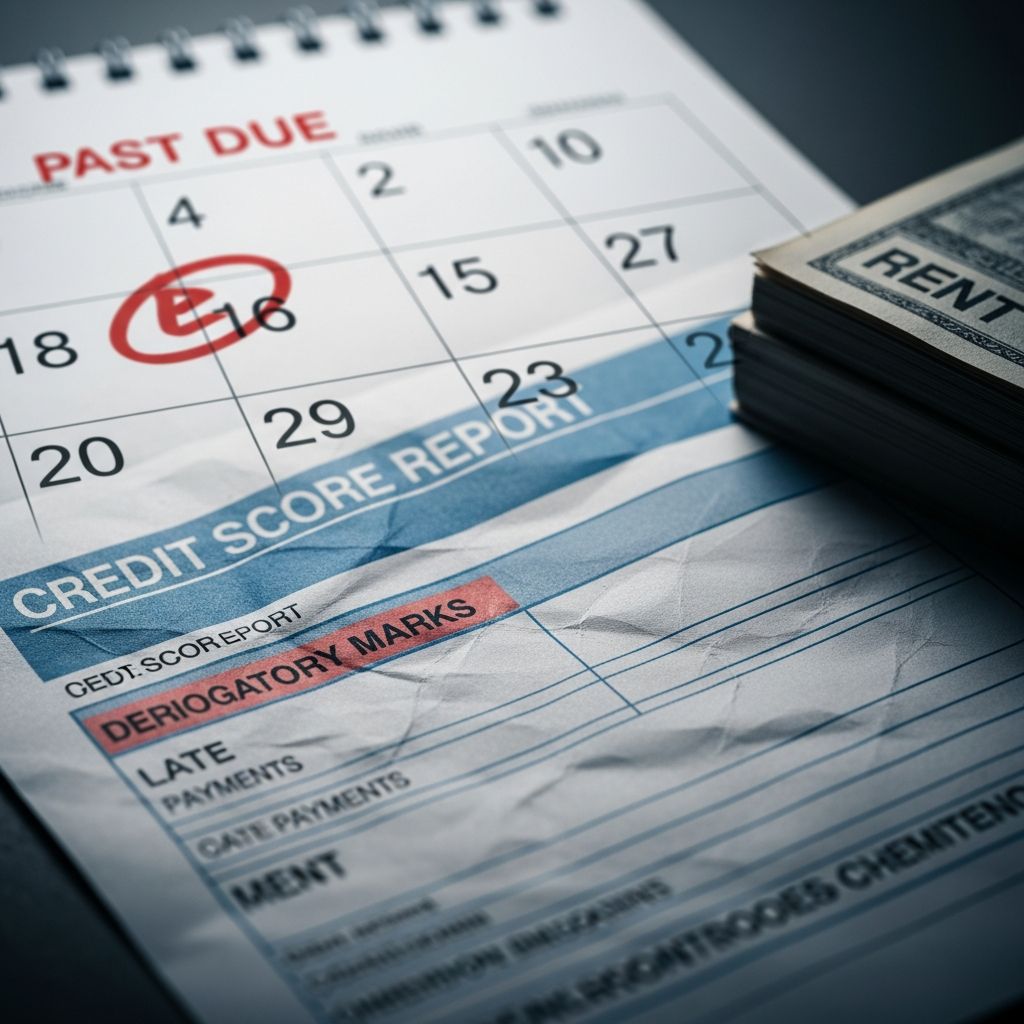
Renters often wonder whether missing a rent deadline will show up on their credit reports and harm their financial standing. In most cases, a payment delayed by just a few days carries no credit consequences because traditional landlords rarely monitor or report routine payments to credit bureaus. However, when rent remains unpaid for 30 days or longer, the situation changes dramatically if the landlord chooses to report the delinquency or escalates it to a collections agency. This can lead to significant score reductions, lingering negative marks, and challenges in securing future housing or loans.
Understanding the Connection Between Rent and Credit Reports
Credit scores primarily reflect activity on accounts like credit cards, loans, and mortgages, where payment history accounts for about 35% of the FICO score calculation. Rent payments traditionally fall outside this system unless specifically reported. The three major credit bureaus—Experian, Equifax, and TransUnion—now incorporate rental data in varying ways, especially for delinquencies or collections. Specialty agencies also track rental histories for landlords, compiling details on past addresses, tenancy duration, and payment reliability.
Most individual landlords do not submit monthly rent data to bureaus, viewing it as an administrative burden. Larger property management firms or those using third-party services are more likely to report, particularly after the 30-day threshold. If unpaid rent reaches collections, it almost certainly appears on your credit file, amplifying the damage.
When Does Late Rent Start Affecting Your Score?
The critical window for credit impact begins at 30 days past due. Payments overdue by less than a month typically evade reporting, giving renters a grace period to resolve issues without credit repercussions. Once hitting 30 days, landlords may flag the delinquency directly or, after 60 days, pursue collections.
- 0-29 Days Late: No credit impact in nearly all cases, as reporting cycles align monthly and minor delays are common.
- 30-59 Days Late: Moderate risk; direct reporting possible, causing initial score dips based on your profile strength.
- 60+ Days Late: High risk; collections likely, leading to sharper declines and prolonged negative effects.
Reporting delays mean the hit might not appear immediately—often 30-60 days after delinquency as data uploads to bureaus. Regular credit monitoring helps detect these entries early.
How Severely Can Late Rent Lower Your Credit Score?
| Starting Score Range | 30-Day Late Impact | Collections Impact |
|---|---|---|
| Excellent (780+) | 90-110 points | 100-150+ points |
| Good (700-779) | 70-90 points | 80-120 points |
| Fair (650-699) | 60-80 points | 50-100 points |
| Poor (<650) | 40-60 points | 30-70 points |
Those with stronger scores suffer larger absolute drops because models expect perfection from top profiles. A single 30-day late rent on an otherwise spotless report might subtract 60-110 points, but multiple incidents or collections exacerbate this. Payment history’s dominance (35%) makes any negative entry influential, especially in thin files with few accounts.
Context matters: In a robust credit profile with diverse positive history, one late rent dilutes in impact. Thin files amplify it, as the negative represents a bigger share.
Long-Term Ramifications of Delinquent Rent
Reported late payments or collections persist for seven years from the delinquency date, though scoring models downweight older negatives after two years, prioritizing recent behavior. A five-year-old mark barely budges modern scores compared to recent lapses.
Beyond scores, consequences ripple:
- Housing Barriers: Future landlords scrutinize credit and rental reports; even resolved delinquencies raise red flags.
- Loan Denials: Lenders view rental mismanagement as predictive of broader unreliability.
- Eviction Risks: Prolonged nonpayment can lead to court judgments, further tarnishing records.
- Collections Harassment: Agencies pursue debts aggressively, adding fees and stress.
Why Some Landlords Report and Others Don’t
Reporting habits vary by landlord type. Private owners seldom bother, lacking infrastructure. Corporate managers, however, leverage services to incentivize timely payments and screen tenants. Services like those from Experian or competitors now allow opt-in positive reporting too, turning rent into a credit-building tool.
Legal pressures also factor: In some regions, habitual late payers face eviction filings, which public records indirectly harm credit via associated collections.
Steps to Prevent and Recover from Late Rent Credit Hits
Proactive communication trumps silence. Notify landlords early of hardships; many offer extensions or plans avoiding reports. Automate payments to sidestep forgetfulness.
If damage occurs:
- Monitor Reports: Pull free weekly reports from AnnualCreditReport.com across all bureaus.
- Dispute Errors: Challenge inaccuracies promptly via bureau portals.
- Negotiate Payoffs: Settle collections for ‘pay for delete’ where possible, though not guaranteed.
- Rebuild Positively: Use rent-reporting services for on-time history; maintain low utilization elsewhere.
- Time Heals: Consistent on-time activity fades old negatives.
Building Credit Through Responsible Renting
While late payments harm, on-time rent can now boost scores via services reporting to bureaus. Options like Experian Boost or Rental Kharma add positive payment history without cost, benefiting the 35% payment factor. This counters thin-file vulnerabilities and showcases reliability.
Credit utilization (30% of score) complements: Keep balances under 30% of limits alongside solid rent habits.
Frequently Asked Questions
Will one late rent payment ruin my credit forever?
No, one incident causes temporary damage recoverable through consistent positive behavior, though it lingers seven years with diminishing impact.
Do all landlords report to credit bureaus?
No, most don’t; only those with reporting systems or escalating to collections do.
How quickly can I recover from a rent collections mark?
Scores rebound notably within months of on-time payments; full aging reduces effects over years.
Can I remove late rent from my credit report?
Only if erroneous or via rare ‘goodwill’ removals; otherwise, it stays seven years.
Does paying rent on time improve my score?
Yes, if reported via services; otherwise, it doesn’t directly factor but builds financial discipline.
Key Takeaways for Renters
- Prioritize rent within budgets to avoid 30-day delinquencies.
- Use rent-reporting tools to convert housing costs into credit assets.
- Strong profiles weather isolated lapses better than weak ones.
- Early landlord dialogue prevents escalations to damaging collections.
By treating rent as a core financial obligation akin to loans, renters safeguard scores essential for life’s big steps—new homes, cars, or investments.
References
- How Much Does Late Rent Affect Credit Score? Average Point Drops — Rental Kharma. 2023. https://www.rentalkharma.com/how-much-does-late-rent-affect-credit-score-average-point-drops/
- Does Paying Rent Late Affect Your Credit Score — Centier Bank. 2024-03-15. https://www.centier.com/resources/articles/article-details/does-paying-rent-late-affect-your-credit-score
- Does One Late Rent Payment Affect Your Credit Report or Score? — The Credit People. 2024. https://www.thecreditpeople.com/credit/late-rent-payment-credit-report
- Can Late Rent Payments Hurt My Credit Score? — Experian. 2025-01-10. https://www.experian.com/blogs/ask-experian/can-late-rent-payments-hurt-my-credit-score/
- Does Paying Rent Late Affect Your Credit Score? — OppLoans. 2024-06-20. https://www.opploans.com/oppu/building-credit/does-a-late-rent-payment-affect-credit/
- Does late rent affect my credit score? — Consumer Financial Protection Bureau (CFPB). 2023-11-05. https://www.consumerfinance.gov/ask-cfpb/does-late-rent-affect-my-credit-score-en-1815/
Similar Articles








Read full bio of medha deb