Chip-And-PIN Credit Cards: What Travelers Need To Know
Understand chip-and-PIN credit cards: their security benefits, U.S. availability, and whether travelers truly need them for safer transactions abroad.
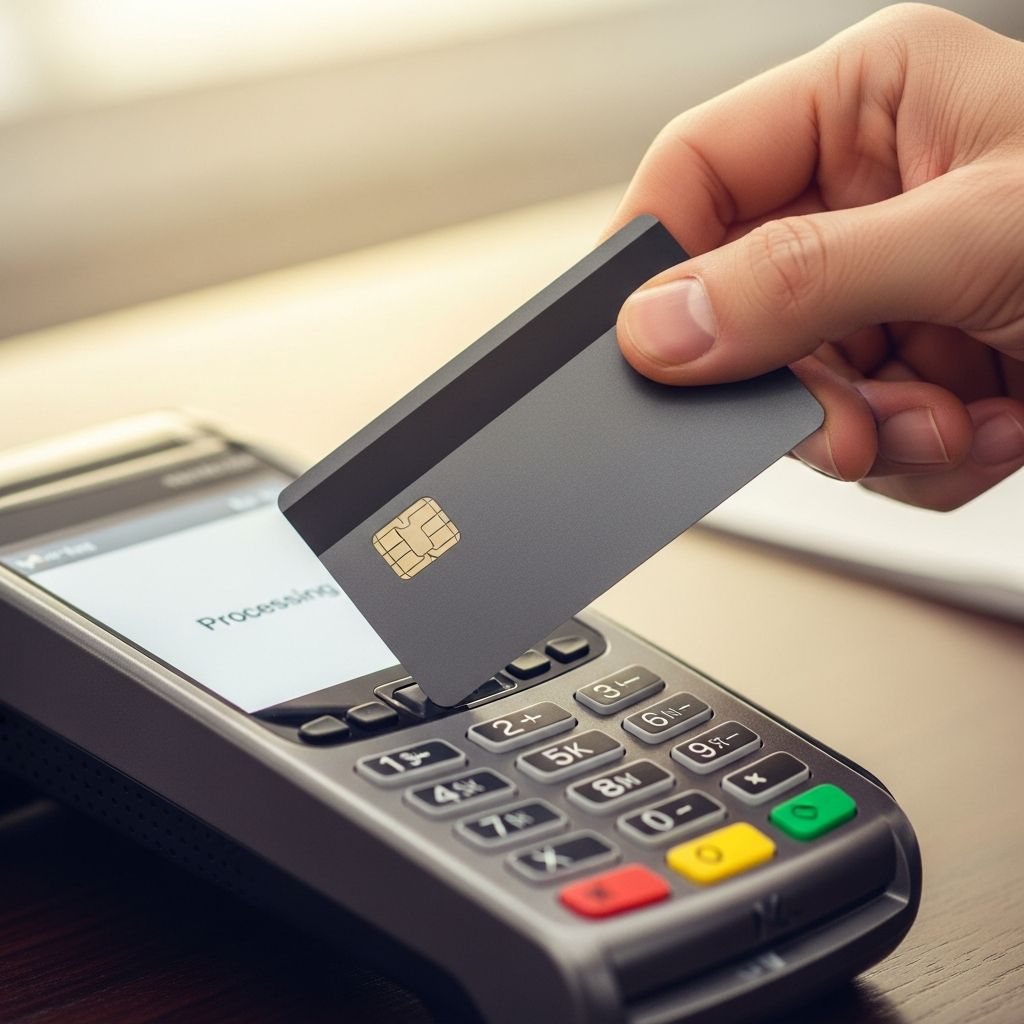
In an era where credit card fraud costs billions annually, understanding payment technologies like chip-and-PIN is crucial for consumers, especially frequent travelers. While most U.S. cards use chip-and-signature verification, chip-and-PIN offers enhanced security by requiring a personal identification number (PIN) for transactions. This article examines whether American cardholders need these cards, their mechanics, global acceptance, and practical steps to obtain one.
What Are Chip and PIN Credit Cards?
Chip-and-PIN credit cards represent an advanced EMV (Europay, Mastercard, Visa) standard where a microchip embedded in the card generates unique transaction data, paired with PIN entry for authentication. Unlike traditional magnetic stripe cards, which store static data easily skimmed by fraudsters, the chip creates a dynamic, one-time code for each purchase, making duplication nearly impossible.
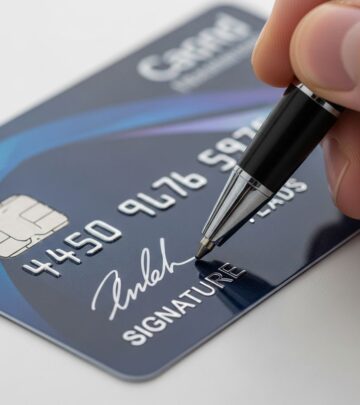
A true chip-and-PIN card mandates PIN entry as the primary verification method at compatible terminals. This contrasts with U.S.-dominant chip-and-signature cards, where users sign receipts or forgo verification as signatures fade. The PIN, a 4-digit code chosen by the cardholder, adds a memorized secret layer, reducing risks if the physical card is stolen.
EMV chips store encrypted account details and support ‘dipping’—inserting the card chip-first into a reader. This process authenticates offline if networks fail, vital in areas with poor connectivity. Globally, chip-and-PIN slashed counterfeit fraud by over 70% post-adoption in Europe during the 1990s and 2000s.
How Do Chip and PIN Credit Cards Work?
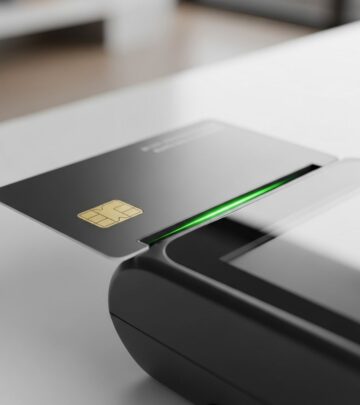
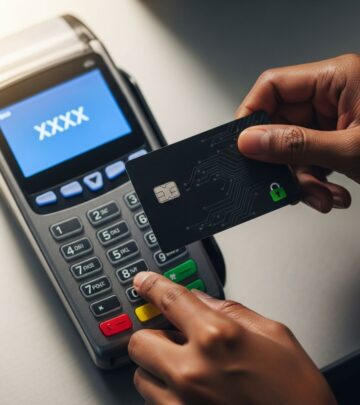
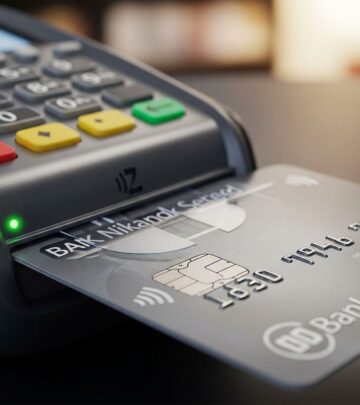
Using a chip-and-PIN card involves inserting (dipping) it into an EMV-compliant terminal. The chip communicates with the reader, generating a cryptogram—a unique code validating the transaction without exposing the full card number. The user then enters their PIN, verified against the chip’s stored value.
Transaction Flow:
- Customer dips card into terminal (chip side up, end first).
- Terminal requests authentication; chip produces one-time code.
- User enters PIN; terminal verifies locally or via issuer.
- POS sends data to processor; issuer approves/rejects.
- Receipt issued; code invalid for reuse.
This offline capability suits standalone kiosks, unlike signature methods needing real-time approval. Contactless NFC taps are also supported on modern chips, blending speed with security.
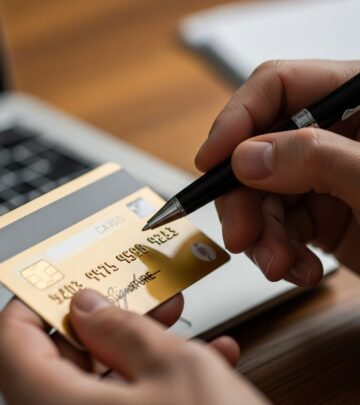
In chip-and-signature setups, prevalent in the U.S., the process skips PIN, relying on signatures (now often optional). Thieves can forge signatures or use stolen cards where verification is lax.
Chip vs. Magnetic Stripe vs. Chip-and-Signature
| Feature | Magnetic Stripe | Chip-and-Signature | Chip-and-PIN |
|---|---|---|---|
| Verification | Signature/Swipe | Signature (optional) | PIN Required |
| Security Code | Static Data | Dynamic per Transaction | Dynamic + PIN |
| Fraud Risk | High (Skimmable) | Medium | Low |
| Offline Use | Limited | Partial | Full (PIN on Chip) |
| U.S. Prevalence | Legacy Only | Standard | Rare |
Magnetic stripes broadcast all data, enabling cloning. Chips mitigate this, but without PIN, chip-and-signature cards remain vulnerable to lost/stolen use. PIN-priority cards default to PIN where supported, falling back to signature otherwise.
Are Chip-and-PIN Cards Necessary in the U.S.?
For domestic use, no—most U.S. merchants accept chip-and-signature or contactless Apple Pay/Google Pay, with EMV liability shifts protecting issuers since 2015. Signatures are obsolete at many POS; PIN isn’t prompted.
However, chip-and-PIN excels internationally. Europe, Asia, Latin America prioritize PIN; U.S. signature cards often rejected at unattended kiosks (vending, parking, gas pumps). Travelers report declined payments, forcing cash or local cards.
U.S. liability rules shifted fraud costs to non-EMV merchants, but globally, issuers favor PIN for lower risk. Frequent flyers or expats benefit from PIN cards’ versatility.
Where Can You Get a Chip-and-PIN Credit Card in the U.S.?
True PIN-priority cards are scarce, mostly from credit unions. Major banks stick to signature.
Top Options:
- Andrews Federal Credit Union Visa Platinum Rewards: No annual/foreign fees. Join via American Consumer Council ($8/year or $15 lifetime). Request PIN-priority; earns rewards.
- State Department Federal Credit Union Cards: No foreign fees. Eligibility: State Dept. ties or ACC membership. Select ‘frequent travel’ on app or call for PIN default.
- Other Credit Unions: Navy Federal, PenFed offer PIN options; inquire directly. Some allow adding PIN to existing chips.
Process a PIN on current cards? Call issuer—many support it as fallback, though not primary.
Benefits and Drawbacks of Chip-and-PIN Cards
Benefits:
- Superior Security: PIN blocks unauthorized use; unique codes thwart skimming.
- Global Acceptance: Works everywhere, no rejections abroad.
- Offline Transactions: PIN stored on-chip for remote areas.
- Fraud Reduction: EMV cut counterfeits 76% in adopting regions.
Drawbacks:
- Limited Availability: Few U.S. issuers; membership hurdles.
- PIN Forgetting: Lockouts require replacement.
- Learning Curve: U.S. users unused to PINs.
- No Online Use: PIN for in-person only; online needs separate security.
Chip-and-PIN for International Travel
Essential for Europe (ubiquitous PIN), parts of Asia/Africa/Latin America. U.S. chips declined at non-signature terminals. Carry backup cash/ATM card. PIN cards ensure smooth vending, tolls, hotels.
Pro Tip: Set travel notifications; opt for no-foreign-fee cards.
Future of Chip Cards in the U.S.
Signatures phase out; PIN adoption lags due to infrastructure. Tokenization, biometrics, contactless rise, but PIN remains gold standard for security. Expect growth with global pressure.
Frequently Asked Questions (FAQs)
Do U.S. credit cards have PINs?
Most are chip-and-signature without default PIN, but you can request one from many issuers as backup.
Is chip-and-PIN safer than chip-and-signature?
Yes, PIN adds authentication layer, harder for thieves to exploit stolen cards.
Can I use a U.S. chip card abroad?
Often yes, but expect issues at PIN-only terminals like kiosks.
How do I get a chip-and-PIN card?
Join eligible credit unions like Andrews or State Dept. FCU via ACC; request PIN-priority.
What’s the difference between EMV chip and chip-and-PIN?
EMV is the chip tech; chip-and-PIN specifies PIN verification over signature.
References
- Chip-and-PIN cards: Do you need one? — CreditCards.com. 2023. https://www.creditcards.com/education/which-us-issuers-offer-chip-and-pin-card/
- Guide to chip and PIN credit cards — Bankrate. 2024-05-15. https://www.bankrate.com/credit-cards/advice/chip-and-pin-credit-cards/
- An Overview of Chip-and-PIN in Payment Processing — Clearly Payments. 2023-11-01. https://www.clearlypayments.com/blog/overview-chip-and-pin-payment-processing/
- What are EMV chip cards? How EMV works — Stripe. 2024. https://stripe.com/resources/more/what-are-emv-chip-cards
- How Does a Chip Card Work? — Worldpay. 2024-02-20. https://www.worldpay.com/en/insights/articles/how-does-a-chip-card-work
- All you need to know about Chip and Pin — Clover. 2023. https://uk.clover.com/insights/all-you-need-to-know-about-chip-and-pin/
Similar Articles








Read full bio of medha deb