Do EVs and Hybrids Save Money?
Uncover the real costs of electric vehicles versus hybrids: from purchase price to long-term savings on fuel and upkeep.
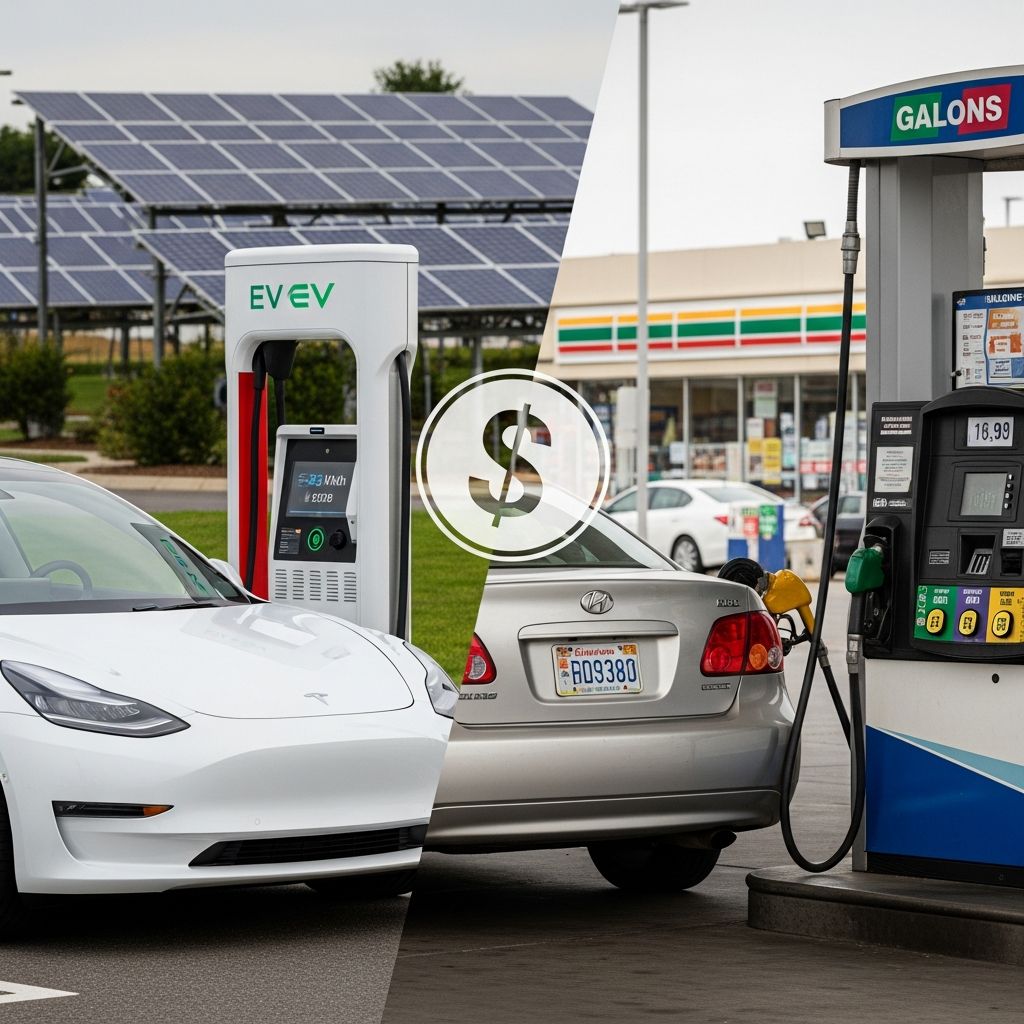
Electric vehicles (EVs) and hybrids promise lower running costs than traditional gasoline cars, but real savings depend on purchase price, fuel or electricity expenses, maintenance needs, incentives, and driving habits. While EVs often edge out hybrids in operational efficiency, hybrids win on affordability upfront, making the choice nuanced based on location, mileage, and ownership duration.
Upfront Costs: Where Hybrids Have the Edge
Hybrids typically cost less to buy than full EVs. Many hybrid models start between $25,000 and $35,000, such as the Honda Insight at around $25,000 or Toyota Prius Prime near $28,000. In contrast, EVs with solid range often exceed $60,000 for premium options like certain Tesla models, though budget picks like the Chevy Bolt enter the mid-$30,000s with 259 miles of range.
This gap stems from battery expenses; larger packs for extended range drive up prices. For 2026, a base Toyota Corolla gas model lists at $24,595, while its hybrid version adds about $1,375 to reach $25,970— a modest 5.5% premium for 50 mpg combined versus 34 mpg. EVs like the Chevrolet Equinox EV command nearly $9,500 more than its gas sibling, though incentives can narrow this.
| Vehicle Type | Starting Price Range | MPG or Range |
|---|---|---|
| Standard Hybrid (e.g., Honda Insight) | $25,000+ | ~50-55 mpg |
| Plug-in Hybrid (e.g., Toyota Prius Prime) | $28,000+ | 50+ mpg equiv. |
| Budget EV (e.g., Chevy Bolt) | $30,000s | 259 miles |
| Premium EV (e.g., Tesla long-range) | $60,000+ | 300+ miles |
Used EVs can flip this dynamic; a Kia Niro EV might cost $4,000 less than its hybrid counterpart, offering instant savings except in high-electricity regions. Average monthly payments reflect this: hybrids at $607, gas at $629, EVs at $774.
Fuel and Energy Expenses: EVs Lead the Pack
Operational costs heavily favor electrified options. EVs run at 4-5 cents per mile on grid power, 70-75% below gas cars’ 16 cents per mile. Hybrids like the Kia Niro achieve 6-8 cents per mile (gas + electric), or 50-60% savings, while efficient gas hybrids hit 7 cents—about 55% less.
Regional electricity and gas prices vary outcomes. In Florida, EVs save $1,400 yearly over gas equivalents; in Massachusetts, only $720 due to higher kWh rates ($0.31 vs. Florida’s $0.15). Home solar drops EV costs to 5-11 cents per kWh, public stations 28-69 cents. For 15,000 annual miles, a Corolla hybrid saves $459 yearly on fuel over gas ($975 vs. $1,434).
| Region | Gas ($/gal) | Electricity ($/kWh) |
|---|---|---|
| California | $5.82 (regular) | $0.35 |
| Massachusetts | $3.77 | $0.31 |
| Florida | $3.92 | $0.15 |
Hybrids excel for long trips without charging worries, offering hundreds of miles per tank. EVs shine for daily commuters with home charging.
Incentives and Rebates: A Boost for Electrified Rides
Federal EV tax credits up to $7,500 apply to qualifying EVs and plug-in hybrids, but not standard hybrids. Chevy’s $8,000 Equinox EV incentive nearly erases its premium over gas models. State rebates further tilt toward EVs, amplifying long-term value for high-mileage drivers.
Maintenance and Repair Realities
EVs boast fewer moving parts, slashing maintenance to $400-$1,000 less annually than gas cars. Hybrids, blending gas engines with electric systems, match or exceed gas maintenance due to added complexity. Batteries in both last years, but EV packs benefit from warranties.
Depreciation and Resale: A Key Long-Term Factor
EVs depreciate faster, around 50% over five years, versus hybrids’ steadier hold. This impacts total ownership costs, especially for short-term owners.
Total Cost of Ownership: Break-Even Timelines
EVs often win overall despite higher entry prices, thanks to fuel, maintenance, and incentive savings—ideal for long ownership or high miles. Hybrids recoup premiums quicker; Corolla hybrid in 3 years.
- Small EVs vs. Hybrids: Immediate used savings, quick payback in sunny states.
- Large EVs (e.g., Ioniq 9): 13-22 years to break even.
- Trucks (Silverado EV): 8-21 years.
Use tools like the AFDC Vehicle Cost Calculator for personalized estimates.
Beyond Dollars: Practical Considerations
Hybrids suit road-trippers avoiding charge hunts; EVs thrill with torque. Both cut emissions and fuel needs versus gas. Infrastructure growth favors EVs long-term.
FAQs
Are hybrids cheaper to own than EVs?
Upfront yes, but EVs save more on fuel and maintenance over time.
How long to break even on an EV?
3-10 years typically, varying by region and incentives; shorter with home solar.
Do hybrids qualify for tax credits?
Plug-ins yes, standard no.
What’s the cheapest EV option?
2026 Chevy Bolt EV starts at $28,995.
Impact of electricity prices?
High rates (e.g., Northeast) slow EV savings; low rates accelerate them.
Final Thoughts on Smart Choices
Both hybrids and EVs save versus gas, but EVs maximize for committed owners in favorable areas. Crunch numbers for your scenario.
References
- Hybrid Vs. Electric Cars: A Side-By-Side Comparison — SolarReviews. 2023. https://www.solarreviews.com/blog/hybrids-versus-electric-cars
- Hybrid vs. Gas in 2026: When the Better MPG Starts Paying You Back — Kelley Blue Book. 2026. https://www.kbb.com/car-advice/hybrid-vs-gas-break-even-fuel-savings/
- Will an Electric Car Save You Money? — Consumer Reports. 2023. https://www.consumerreports.org/cars/hybrids-evs/will-an-electric-car-save-you-money-a9436870083/
- Hybrid Vs Electric Car: Are You Really Saving Money? — Wawanesa. 2023. https://www.wawanesa.com/us/blog/hybrid-vs-electric-car-are-you-really-saving-money
- Vehicle Cost Calculator — Alternative Fuels Data Center (U.S. Dept. of Energy). Accessed 2026. https://afdc.energy.gov/calc/
Similar Articles








Read full bio of Sneha Tete