Do Checking Accounts Matter Anymore?
Discover why a checking account remains essential for secure, convenient money management in today's digital world.
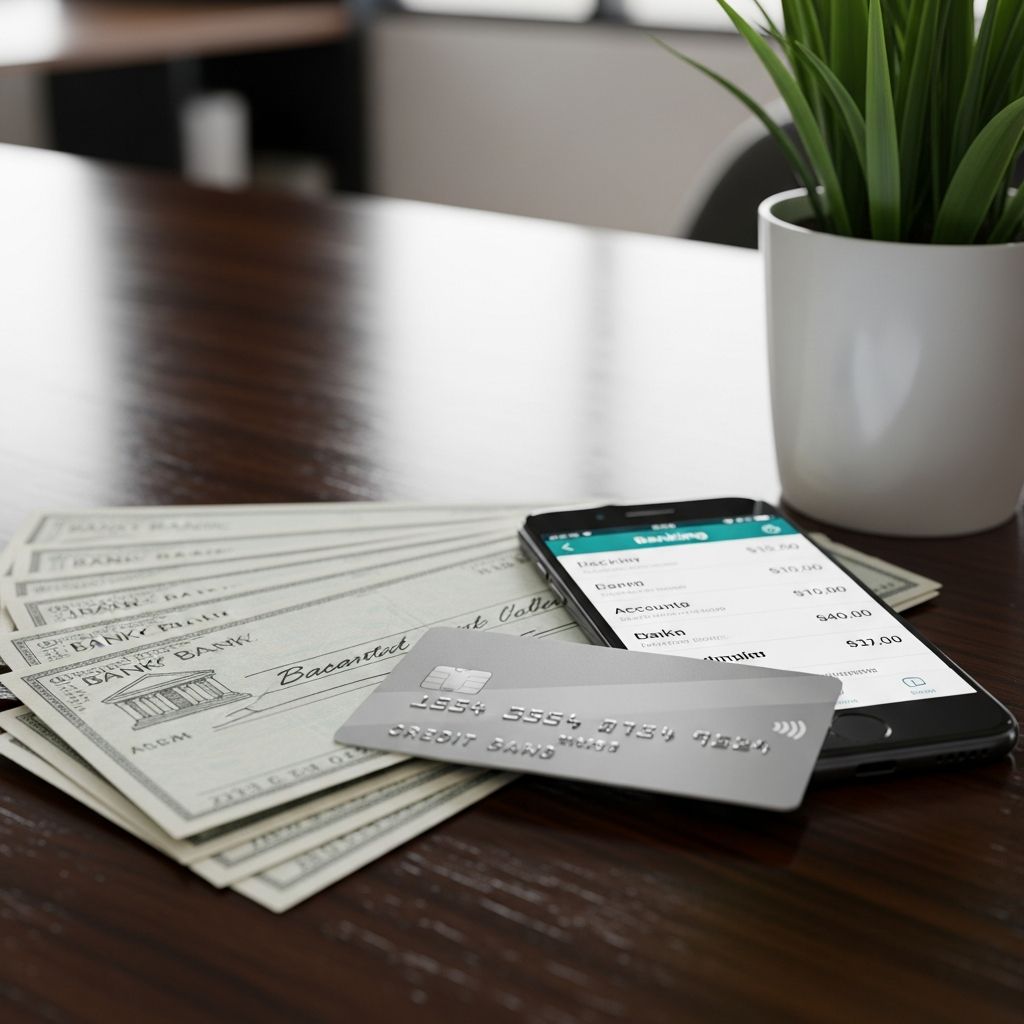
In an era dominated by digital wallets, peer-to-peer payment apps, and credit cards, many wonder if traditional checking accounts have become obsolete. The truth is, checking accounts form the backbone of effective personal finance, offering unmatched security, convenience, and opportunities for growth that alternatives simply can’t match. This comprehensive guide delves into why maintaining a checking account is not just advisable but essential for anyone serious about their financial well-being.
Understanding the Core Role of Checking Accounts
A checking account is a deposit account designed for frequent transactions, allowing users to deposit funds, write checks, use debit cards, and set up electronic transfers. Unlike savings accounts, which prioritize interest accumulation and limit withdrawals, checking accounts emphasize liquidity and accessibility.7 They serve as a central hub for daily financial activities, from paying rent to buying groceries.
Historically, checking accounts evolved from demand deposits in the 19th century, but today they integrate seamlessly with mobile banking apps, enabling real-time monitoring and automation. This evolution ensures they remain relevant, bridging physical and digital economies.
Top Advantages That Make Checking Accounts Indispensable
Checking accounts provide a suite of benefits that enhance everyday life and long-term stability. Here’s a breakdown of the primary perks:
- Effortless Access to Your Money: Debit cards linked to checking accounts allow instant purchases at millions of locations worldwide. Coupled with ATM networks—such as those offering fee-free access at 60,000+ machines—users can withdraw cash without hassle.6
- Streamlined Bill Management: Automate recurring payments for utilities, loans, and subscriptions to avoid late fees and build positive payment history, which factors into credit scores.
- Direct Deposit Perks: Employers deposit paychecks directly, often making funds available up to two days faster than cashing checks. This accelerates cash flow for timely expense coverage.4
- Budgeting Tools: Transaction records and app integrations help track spending patterns, fostering disciplined habits essential for financial success.2
Superior Security: Protecting Your Funds in a Risky World
One of the most compelling reasons to use a checking account is the robust protection it offers. Cash stored at home is vulnerable to theft, fire, flood, or loss—with no recourse if disaster strikes.18 In contrast, funds in FDIC-insured checking accounts at U.S. banks are protected up to $250,000 per depositor, per insured bank, in case of institutional failure.3
Banks employ advanced measures like encryption, multi-factor authentication, and real-time fraud monitoring to safeguard digital transactions. If fraud occurs, federal regulations like Regulation E limit liability to $50 if reported promptly. Credit unions provide similar NCUA insurance, ensuring broad coverage.2
For instance, reputable institutions monitor unusual activity 24/7, alerting users via app notifications. This peace of mind extends to physical security: no need to carry large cash sums, reducing robbery risks.
Building a Strong Financial Foundation
Beyond immediate utility, checking accounts lay groundwork for broader financial health. Successfully managing one demonstrates responsibility to lenders, easing access to loans, credit cards, and mortgages.1 Banks view account holders as established customers, often prioritizing them for premium services like low-APR cards or personalized planning.2
Regular deposits and on-time payments create a verifiable transaction history, crucial for credit-building. Over time, this relationship unlocks higher-yield savings options, investment accounts, and even business financing.
| Feature | Checking Account | Cash or Alternatives |
|---|---|---|
| Security | FDIC/NCUA insured up to $250,000 | No protection; high theft risk |
| Accessibility | 24/7 via app, ATM, debit | Limited; physical handling needed |
| Record-Keeping | Detailed digital statements | Manual tracking prone to errors |
| Credit Impact | Supports payment history | No verifiable activity |
Checking Accounts vs. Modern Alternatives: A Fair Comparison
Apps like Venmo or prepaid cards promise simplicity, but they fall short in key areas. Prepaid cards often charge high fees for loading, withdrawals, and inactivity, eroding value. Digital wallets lack full FDIC insurance unless linked to a bank and don’t build banking relationships.
Cash offers anonymity but invites risks without records for disputes or taxes. Checking accounts combine the best of both worlds: digital convenience with institutional backing. For example, while apps enable P2P transfers, they rely on underlying bank accounts for funding—making a checking account the true foundation.5
Potential Drawbacks and How to Mitigate Them
No financial product is perfect. Common concerns include overdraft fees, minimum balance requirements, and monthly charges. However, many banks now offer free checking with no minimums, especially for direct deposit users.1
- Overdrafts: Opt for accounts with overdraft protection, linking to savings or credit lines to avoid fees.
- Fees: Choose no-fee options from online banks or credit unions; compare via tools like deposit accounts reviews.
- Temptation to Overspend: Use budgeting apps integrated with your account for alerts and limits.
By selecting the right account, these issues become negligible, maximizing benefits.
Who Benefits Most from a Checking Account?
Everyone stands to gain, but certain groups see outsized value:
- Young Adults: Establishes credit early and teaches habits.2
- Unbanked Individuals: FDIC programs like Bank On provide low-fee entry points.8
- Freelancers/Small Businesses: Seamless invoicing and tax prep via transaction logs.
- Families: Shared access for allowances or joint bills.
- Seniors: Secure direct deposits and fraud protection.
Steps to Open and Optimize Your Checking Account
- Research Providers: Compare fees, ATM networks, and perks using bank websites or FDIC’s BankFind tool.
- Gather Documents: ID, SSN, proof of address.
- Fund It: Start with direct deposit for bonuses and fee waivers.
- Activate Tools: Enable alerts, link budgeting apps, set up autopay.
- Monitor Regularly: Review statements monthly to catch issues early.
Many institutions offer sign-up bonuses, like $200 for new direct deposits, sweetening the deal.
Frequently Asked Questions (FAQs)
Is a checking account free?
Yes, numerous banks and credit unions provide free checking accounts with no monthly fees, especially with direct deposit or minimum activity.1
What’s the difference between checking and savings?
Checking is for daily use with unlimited transactions and little interest; savings earns interest but limits withdrawals to encourage saving.7
Can I have multiple checking accounts?
Absolutely—many use one for bills, another for fun money, aiding organization.
Are checking accounts safe from hackers?
Highly so, with bank-grade encryption and insurance; user vigilance (strong passwords, alerts) enhances protection.3
Do I need a checking account for direct deposit?
Most employers require one for efficiency and speed; it’s standard practice.6
Elevating Your Finances with Smart Checking Habits
Integrate your checking account into a holistic strategy: pair it with high-yield savings for emergencies, use linked credit cards responsibly for rewards, and review quarterly. This approach not only safeguards funds but propels wealth-building.
In summary, checking accounts deliver convenience, security, and opportunity unattainable elsewhere. Ditch the myths—they’re more vital than ever in our transaction-heavy world.
References
- Why you still need a checking account — Commerce Bank. 2024. https://www.commercebank.com/personal/ideas-and-tips/2024/why-you-still-need-a-checking-account
- 5 Reasons You Must Have a Checking Account — Summit FCU. N/A. https://www.summitfcu.org/reaching-my-summit/5-reasons-a-checking-account-is-a-must-have/
- Why is it Important to Have a Checking Account — Bank of Hope. N/A. https://www.bankofhope.com/hope-stories/why-is-it-important-to-have-a-checking-account
- 8 Benefits of a Checking Account — Florence Bank. N/A. https://www.florencebank.com/benefits-of-a-checking-account
- What are the pros and cons of a checking account? — CACCU. N/A. https://www.caccu.org/what-are-the-pros-and-cons-of-a-checking-account/
- What Are the Benefits of a Checking Account? — PNC Insights. N/A. https://www.pnc.com/insights/personal-finance/spend/benefits-of-a-checking-account.html
- Checking vs. Savings: Key Differences — Cornerstone Bank. N/A. https://www.cornerstone.bank/checking-vs-savings-key-differences-between-bank-account-types-why-it-matters/
- Top Reasons to Open a Bank Account (PDF) — FDIC. N/A. https://www.fdic.gov/getbanked/pdf/top-reasons-to-open-a-bank-account.pdf
Similar Articles








Read full bio of medha deb