Do Bank Accounts Impact Your Credit Score?
Discover how everyday banking activities influence your credit profile and learn strategies to safeguard your financial health.

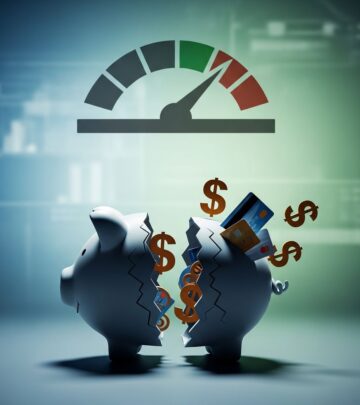
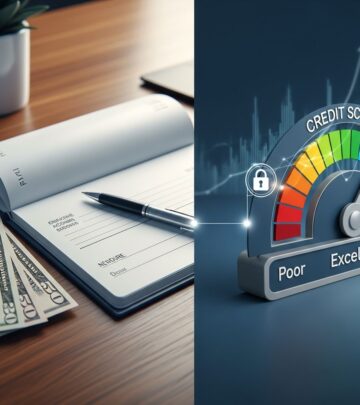
Traditional checking and savings accounts generally do not influence credit scores because banks do not report routine transactions or balances to major credit bureaus such as Experian, Equifax, or TransUnion. However, certain negative events like unpaid overdraft fees sent to collections can appear on credit reports and harm scores for up to seven years.
Understanding Credit Reports and What They Track
Credit reports compile data on credit-related activities, focusing on loans, credit cards, and payment behaviors rather than deposit accounts. Key components include:
- Payment history (35% of FICO score): Tracks on-time payments, late payments (30/60/90 days), and delinquencies on credit obligations.
- Amounts owed (30%): Measures credit utilization ratios on revolving accounts.
- Length of credit history (15%): Average age of accounts and oldest account duration.
- New credit (10%): Recent inquiries and new account openings.
- Credit mix (10%): Variety of account types like installment loans and credit cards.
Deposit accounts like checking and savings fall outside this framework since they involve personal funds, not borrowed money.
Why Routine Banking Doesn’t Appear on Credit Reports
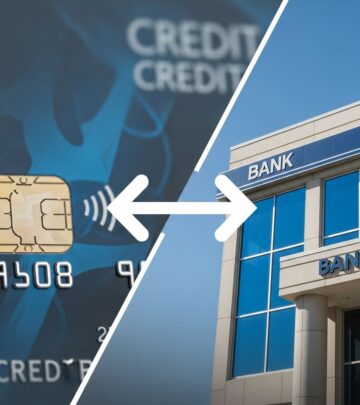
Banks prioritize privacy for transactional data, only sharing credit-specific information when relevant. Daily deposits, withdrawals, transfers, and balances remain invisible to credit scoring models. This separation allows consumers to manage cash flow without credit implications.
Even opening or closing accounts in good standing has no direct effect. Soft inquiries, sometimes used for fraud checks during account openings, do not impact scores, unlike hard inquiries for credit products.
Risks That Can Link Bank Accounts to Credit Reports
While standard activity is neutral, mismanagement can trigger indirect credit damage. Here’s how:
Overdrafts and Unpaid Fees
Overdrawing an account incurs fees that, if ignored, may escalate to collections. Collection agencies report these debts to bureaus, creating derogatory marks. Debts under $100 might have minimal impact, but larger ones can deduct 100+ points.
Account Closures in Poor Standing
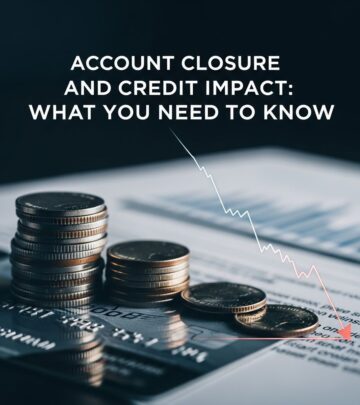
Closing an overdrawn account or having one closed by the bank risks collection referral. These appear as collections on credit reports, lingering seven years from the delinquency date.
Failed Automatic Payments
Using a checking account for auto-payments on loans or cards means insufficient funds cause missed payments, reported directly by creditors. Bounced checks from closed accounts similarly lead to collections.
| Scenario | Potential Credit Impact | Duration on Report | Mitigation |
|---|---|---|---|
| Overdraft fees unpaid | Collections account | 7 years | Pay promptly, enable overdraft protection |
| Negative balance closure | Collections + banking report | 7 years (credit), varies (banking) | Clear balance before closing |
| Missed auto-payments | Late payment marks | 7 years | Update payment sources |
| Bounced checks | Collections | 7 years | Verify account status pre-closure |
Specialty Reporting for Banking Behavior
Beyond credit bureaus, systems like ChexSystems and Early Warning Services track checking account history. Banks consult these for new account approvals, flagging involuntary closures, fraud suspicions, or overdraft patterns. A poor banking report doesn’t affect credit scores but can block new accounts.
Opening New Bank Accounts: Credit Considerations
Most banks perform soft pulls, which are score-neutral. Rare hard inquiries occur only for credit-linked services like overdraft lines. Shop freely without score worry, but maintain positive balances.
Switching Banks Safely
Changing institutions won’t ding credit if accounts close positively. Steps for smooth transition:
- Build a buffer in the new account before closing the old one.
- Redirect all direct deposits and payments.
- Confirm zero balance on outgoing account.
- Monitor for 30-60 days post-switch.
Failure here risks the issues outlined earlier.
Protecting Your Credit Through Smart Banking
Adopt habits to isolate banking from credit risks:
- Opt for overdraft protection: Links to savings or credit line to cover shortfalls, often fee-based but prevents collections.
- Monitor balances: Use apps for real-time alerts on low funds.
- Automate responsibly: Keep extra for scheduled outflows.
- Resolve fees quickly: Contact banks for waivers on first offenses.
- Review reports annually: Check for erroneous collections via AnnualCreditReport.com.
Overdraft Protection: Pros, Cons, and Alternatives
This service transfers funds automatically but may involve fees or interest if line-of-credit based. Alternatives include:
- Linking to a savings account (fee-free transfers).
- High-yield savings for buffers.
- Declining overdraft coverage to reject transactions.
Weigh costs against collection risks.
Common Myths About Banking and Credit
- Myth: Number of bank accounts affects credit mix. Fact: Only credit accounts count.
- Myth: High balances boost scores. Fact: Balances aren’t reported.
- Myth: All closures hurt credit. Fact: Only negative ones via collections.
FAQs
Does opening a checking account trigger a hard credit inquiry?
Typically no; soft inquiries are used, which don’t affect scores. Hard pulls are rare, only for loan products.
Can a closed bank account appear on my credit report?
Only if sent to collections due to unpaid balances or fees.
How long do bank-related collections stay on credit reports?
Up to seven years from the original delinquency date.
Will switching banks lower my credit score?
No, as long as accounts close in good standing and payments transfer smoothly.
Do savings accounts impact credit scores?
No, similar to checking; balances and transactions aren’t reported.
Long-Term Strategies for Financial Stability
Integrate banking and credit management holistically. Regularly review both credit and ChexSystems reports to catch issues early. Build emergency funds to buffer against overdrafts, and prioritize high-interest debt payoff to improve utilization. Educate on FICO/VantageScore factors for proactive score building.
For those rebuilding after bank-related dings, dispute inaccuracies and demonstrate positive payment history elsewhere. Time heals most marks, but prevention trumps cure.
References
- Do Bank Accounts Affect Credit Reports? — Experian. 2023-10-12. https://www.experian.com/blogs/ask-experian/are-bank-accounts-affect-credit-report/
- Does Changing Banks Affect Your Credit Score? — PSBT. 2024-05-15. https://www.psbt.com/Learn/Resources/PSBT-Corner-News/Does-Changing-Banks-Affect-Credit
- Does Closing a Bank Account Hurt Your Credit? — PNC Insights. 2024-08-20. https://www.pnc.com/insights/personal-finance/spend/does-closing-bank-account-hurt-credit.html
- Does opening a checking account affect my credit score? — Discover. 2024-03-10. https://www.discover.com/online-banking/banking-topics/does-opening-a-checking-account-affect-credit-score/
- How Checking Accounts Affect Your Credit Score — GTFCU. 2023-11-05. https://www.gtfcu.org/articles/how-checking-accounts-affect-your-credit-score
- Will it hurt my credit if my bank or credit union closed my checking account? — Consumer Financial Protection Bureau (CFPB). 2024-01-22. https://www.consumerfinance.gov/ask-cfpb/will-it-hurt-my-credit-if-my-bank-or-credit-union-closed-my-checking-account-en-1819/
Similar Articles








Read full bio of Sneha Tete