Save Money On Your DIY Projects: Complete Guide & Smart Tips
Master budget-friendly DIY projects with expert strategies to maximize savings while maintaining quality results.
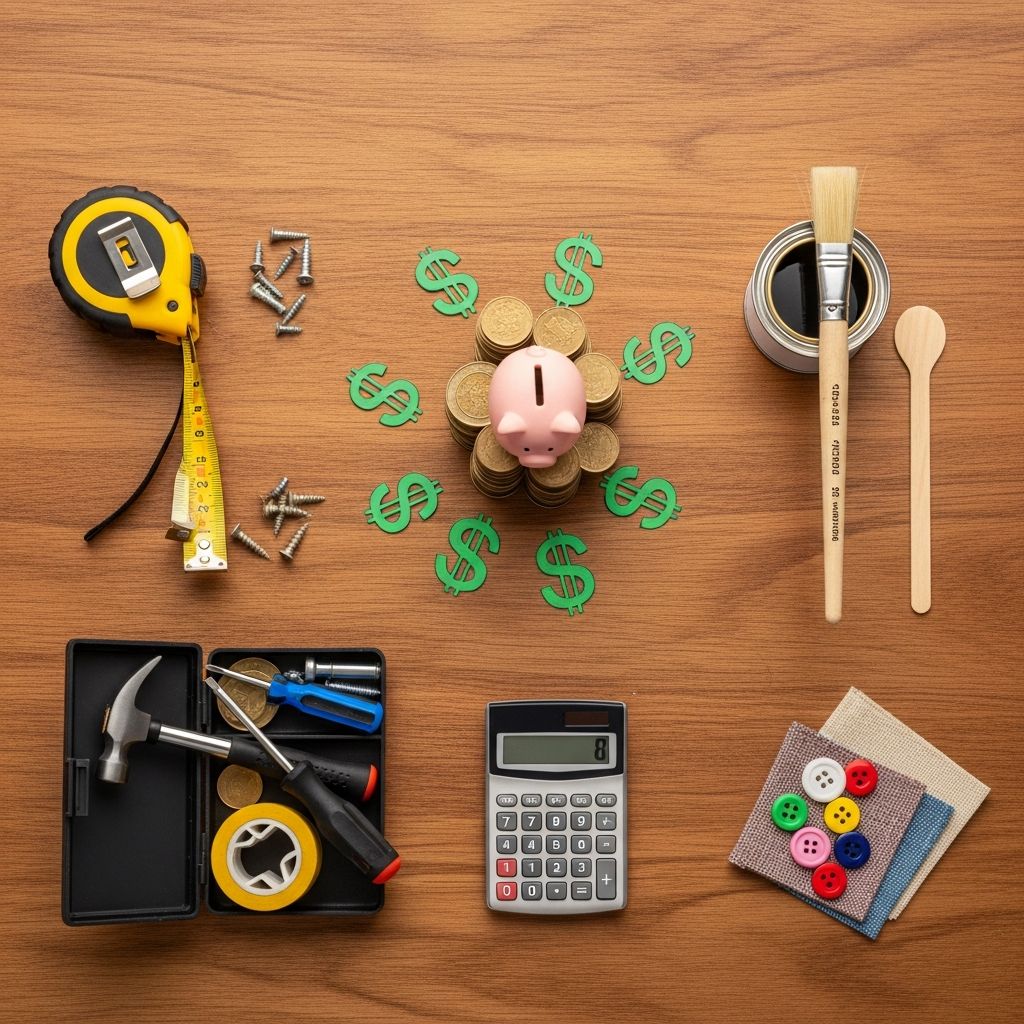
DIY projects offer a rewarding way to improve your home while maintaining control over your budget. Whether you’re painting a room, installing new fixtures, or tackling a larger renovation, understanding how to save money throughout the project lifecycle is essential. This comprehensive guide explores proven strategies to reduce expenses without sacrificing quality or safety.
Plan Your Project Thoroughly Before Starting
The foundation of any cost-effective DIY project begins with meticulous planning. Before purchasing a single nail or gallon of paint, take time to understand exactly what your project entails. Create a detailed list of all materials, tools, and supplies you’ll need. This prevents impulse purchases and helps you identify areas where you can find alternatives or negotiate bulk discounts.
Sketching out your project or gathering reference images helps clarify your vision and ensures you don’t waste money on materials that won’t work for your specific needs. Visit the project site multiple times and take accurate measurements. An extra hour spent planning can save you hundreds of dollars in wasted materials and correction costs.
Source Materials Strategically
Where you purchase materials significantly impacts your project budget. Explore multiple retailers and compare prices for identical items. Hardware stores, big-box retailers, and online suppliers often have varying prices for the same products. Don’t overlook discount home improvement outlets, which frequently offer overstock and discontinued items at substantial markdowns.
Consider purchasing materials on sale, even if your project timeline is flexible. Seasonal sales, end-of-season clearances, and holiday promotions can yield significant savings. Building supplier loyalty programs and signing up for email notifications ensures you’re aware of upcoming deals.
Explore Alternative Materials
High-end materials aren’t always necessary for quality results. For many projects, mid-range or budget alternatives perform comparably. For example, exterior-grade plywood works well for many applications where premium hardwood isn’t essential. Composite materials often match the appearance of natural wood at lower costs. Research whether specific material characteristics are genuinely necessary for your project or if you’re paying for aesthetics that don’t impact function.
Master Tool Borrowing and Sharing
One of the most effective ways to reduce DIY project costs is avoiding unnecessary tool purchases. Many homeowners own specialized tools they use infrequently. Building relationships with neighbors and friends creates opportunities for tool sharing. If your neighbor has an edger and you have a cultivator, a simple borrowing arrangement benefits both parties without requiring duplicate purchases.
Tool rental services offer another excellent option for equipment you’ll use only once or twice. Renting a pressure washer, floor sander, or tile cutter for a few days costs substantially less than purchasing these items outright. Calculate the rental period needed and compare rental costs against purchase prices to determine the most economical option.
Community tool libraries and makerspaces in many areas provide free or low-cost access to specialized equipment. These resources are designed specifically for projects like yours and often include expert guidance from experienced DIYers.
Reduce Material Waste and Maximize Efficiency
Waste directly translates to wasted money. Plan cutting layouts carefully to minimize scrap materials. Many materials, particularly lumber and sheet goods, can be optimized to reduce waste if you invest time in planning. Some retailers offer cutting services that help maximize material usage.
Save leftover materials from current projects for future use. Paint remnants, flooring samples, and excess hardware find applications in other projects. Clearly label and store these items for convenient access when future projects arise.
Take Advantage of Free or Low-Cost Resources
Numerous free resources support successful DIY projects. Online tutorials, manufacturer websites, and community college classes provide valuable instruction. Many home improvement retailers offer free workshops on common projects like painting and basic repairs. These educational resources eliminate costly mistakes and help you work more efficiently.
Construction and demolition salvage yards offer building materials at fraction of retail costs. Reclaimed wood, architectural elements, and fixtures from demolished buildings provide character and savings. Habitat for Humanity ReStore locations specialize in donated building materials, appliances, and fixtures at deeply discounted prices.
Invest in Quality Where It Matters
While saving money is important, some items warrant premium investments. High-quality tools that you’ll use repeatedly justify higher prices due to durability and performance. A professional-grade drill or saw used across multiple projects provides better value than cheaper alternatives that fail or perform poorly.
Similarly, materials that impact durability, safety, or aesthetics deserve careful investment. A cheap paint might require multiple coats, ultimately costing more. Substandard fasteners or structural materials compromise project integrity. Identify which elements genuinely need quality investment versus where budget alternatives suffice.
Break Large Projects Into Phases
Dividing major renovations into smaller phases spreads costs across multiple time periods and allows you to take advantage of sales and seasonal pricing. A kitchen renovation completed in stages might involve cabinetry in one quarter, flooring in another, and appliances during a major sale event. This approach also allows you to adjust plans based on actual project costs and evolving priorities.
Learn Basic Skills to Expand Your Capabilities
Developing DIY skills expands the projects you can tackle independently, reducing reliance on paid professionals. Learning basic painting, drywall repair, tile installation, or plumbing fundamentals opens doors to cost savings. These skills often transfer across multiple projects, creating compounding savings over time.
YouTube tutorials, library books, and online courses provide affordable education. Starting with simple projects helps build confidence before tackling more complex work. Community colleges often offer hands-on classes for modest tuition costs.
Common DIY Projects and Cost-Saving Strategies
Painting Projects
Painting is one of the most cost-effective home improvements. Quality paint often costs less than poor-quality alternatives when accounting for coverage and durability. Buy paint in bulk for multiple rooms to receive volume discounts. Always request paint mixed accurately to specifications—mismatches require costly restarts. Keep leftover paint properly sealed for touch-ups and future use.
Flooring Installation
Flooring choices dramatically impact project costs. Vinyl plank flooring offers durability and aesthetics at lower costs than hardwood or ceramic tile. Laminate flooring similarly provides quality appearance for budget-conscious projects. Calculate total costs including underlayment, adhesives, and finishing materials rather than focusing solely on material costs.
Fixture Replacement
Replacing shower heads, faucets, and other fixtures creates dramatic improvements without major construction. Mid-range fixtures perform excellently and cost significantly less than luxury brands. Many basic replacements require only fundamental tools and can be completed in an afternoon.
Storage and Organization
Building shelving, cabinets, and organizational systems dramatically improves functionality. Simple open shelving projects use inexpensive lumber and basic hardware. Closed shelving systems cost more but provide maximum storage. Design storage solutions around materials you can source affordably.
Budget Planning and Cost Tracking
Create a detailed budget before purchasing materials and track all expenses throughout the project. Spreadsheets or budgeting apps help identify spending patterns and remaining funds. Building a contingency buffer of ten to fifteen percent allows for unexpected expenses without derailing your budget.
Monitor spending actively to avoid exceeding your budget. When unexpected costs arise, assess whether they’re genuinely necessary or if alternatives exist. Discipline in budget adherence ensures your project remains financially sustainable.
Safety Considerations in Budget DIY
Never compromise on safety equipment or precautions to save money. Protective gear, proper tools for tasks, and accurate safety knowledge prevent costly injuries. A modest investment in safety equipment protects your health and prevents emergency medical expenses that dwarf any project savings.
Frequently Asked Questions
What’s the best way to estimate DIY project costs?
Research similar completed projects online, consult with home improvement staff, and obtain quotes from retailers for all materials. Add a contingency buffer of ten to fifteen percent for unexpected expenses. Break projects into material categories and cost each thoroughly before beginning.
How do I know if renting versus buying tools makes sense?
Compare rental costs for the period needed against purchase prices. Generally, if you’ll use a tool only once or twice, renting is more economical. Tools used across multiple projects typically justify purchase, especially if quality tools last many years.
Should I hire professionals for complex parts of DIY projects?
Complex electrical work, plumbing, and structural changes often require permits and professional expertise. Hiring licensed professionals for these components while handling simpler work yourself balances safety, legality, and cost-effectiveness.
How can I reduce material waste in my DIY project?
Plan cutting layouts carefully before cutting materials. Consult retailer diagrams and online guides optimizing material usage. Consider whether salvaging and reusing components from existing installations is feasible.
Where can I find affordable materials for DIY projects?
Check warehouse clubs, discount home improvement retailers, online suppliers, and ReStore locations. Monitor sales at primary retailers and purchase materials when prices drop. Salvage yards and demolition sites offer reclaimed materials at significant discounts.
Key Takeaways for DIY Savings
- Thorough planning prevents costly mistakes and impulse purchases
- Strategic material sourcing and comparison shopping reduce expenses significantly
- Tool borrowing and rental eliminate unnecessary equipment purchases
- Minimizing waste through careful planning protects your budget
- Free educational resources help you work efficiently and competently
- Investing in quality for essential items provides better long-term value
- Phasing large projects spreads costs and improves financial flexibility
- Developing skills expands your DIY capabilities and savings potential
- Budget tracking ensures financial accountability throughout projects
- Never compromise on safety to save money on materials or equipment
Successful DIY projects balance cost savings with quality and safety. By implementing these strategies systematically, you can complete professional-quality projects while maintaining strict budget discipline. The combination of smart planning, strategic sourcing, and continuous learning transforms DIY projects from intimidating endeavors into rewarding, cost-effective home improvements.
References
- 101 Ways to Save Money Around the House — Wise Bread. 2024. https://www.wisebread.com/101-ways-to-save-money-around-the-house
- 7 DIY Crafts That Will Save You Money — Wise Bread. 2024. https://www.wisebread.com/7-diy-crafts-that-will-save-you-money
- 7 Old Fashioned Skills That Save You Money — Wise Bread. 2024. https://www.wisebread.com/7-old-fashioned-skills-that-save-you-money
- Best Money Tips: Cheap and Easy DIY Home Improvement Projects — Wise Bread. 2024. https://www.wisebread.com/best-money-tips-cheap-and-easy-diy-home-improvement-projects
- Ready For Extreme Saving? Money Saving Advice For An Extreme Economy — Wise Bread. 2024. https://www.wisebread.com/ready-for-extreme-saving-money-saving-advice-for-an-extreme-economy
Similar Articles








Read full bio of Sneha Tete