DIY Credit Repair Guide
Master your finances with proven steps to fix errors, reduce debt, and rebuild a strong credit profile without paying experts.

Your credit score influences everything from loan approvals to rental applications. When it’s damaged by errors, late payments, or identity theft, taking control through do-it-yourself (DIY) credit repair can restore your financial standing without expensive services. This guide outlines actionable steps, drawing from official guidelines and expert strategies to help you navigate the process effectively.
Understanding Credit Repair Fundamentals
Credit repair involves identifying and correcting negative items on your credit reports from the three major bureaus: Equifax, Experian, and TransUnion. Negative marks like late payments or collections stay on reports for 7-10 years but can be challenged if inaccurate. DIY methods empower you to handle disputes, negotiate with creditors, and build positive habits, often yielding faster results than waiting for items to age off.
Key factors affecting your score include payment history (35%), amounts owed (30%), length of credit history (15%), new credit (10%), and credit mix (10%). Focusing on these can lead to measurable improvements within months.
Step-by-Step Process to Start Repairing Your Credit
Begin with a structured approach to ensure thoroughness. Here’s how to proceed systematically.
- Obtain Your Free Credit Reports: Access reports from all three bureaus via AnnualCreditReport.com, available weekly for free. Equifax provides extra reports through 2026. Review every detail for accuracy.
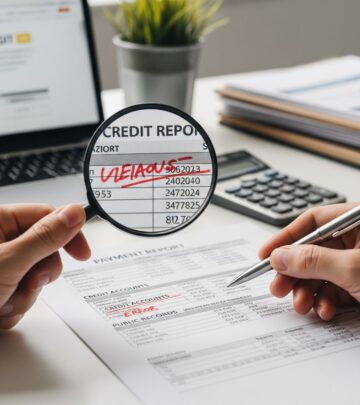
- Scrutinize for Errors: Look for incorrect personal info, duplicate accounts, or wrongly reported delinquencies. Common issues include outdated addresses or accounts not yours.
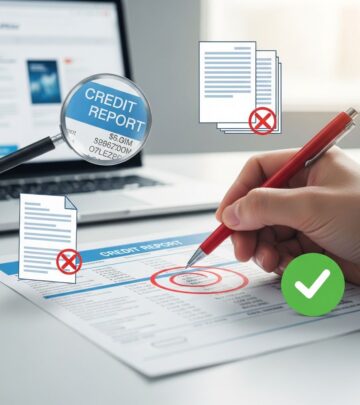
- File Disputes Promptly: Submit disputes online or by mail to bureaus and creditors. Include evidence like payment proofs. Bureaus must investigate within 30 days.
- Address Delinquent Accounts: Pay off or negotiate past-due balances. Seek ‘pay for delete’ deals where creditors remove entries upon payment.
- Monitor Progress: Check reports monthly post-dispute. Updates may take 30-45 days as creditors report periodically.
Mastering the Art of Effective Disputes
Disputing errors is the cornerstone of DIY repair. Write clear letters identifying disputed items, explaining inaccuracies, and attaching copies (not originals) of supporting documents. Sample structure:
- Your full name, address, and account numbers.
- Specific item description and reason for dispute.
- Requested action (e.g., deletion or correction).
- Evidence enclosures.
Send to bureau addresses listed on reports and notify furnishers directly. Track via certified mail. If unresolved, add a 100-word statement to your file.
| Dispute Method | Pros | Cons | Best For |
|---|---|---|---|
| Online Portal | Fast submission; tracking | Limited documentation | Simple errors |
| Mail with Evidence | Strong proof attachment | Slower delivery | Complex cases |
| Phone | Immediate confirmation | No paper trail | Follow-ups |
This table compares methods to choose based on your situation.
Strategies to Eliminate Debt and Negative Marks
Beyond disputes, proactively manage debts. Prioritize high-interest or collection accounts.
- Negotiate Settlements: Offer lump sums for less than owed in exchange for deletion.
- Debt Consolidation: Combine into one loan with lower rates via reputable agencies.
- Automated Payments: Avoid future lates by setting up auto-pay.
- Pay Down Utilization: Keep balances under 30% of limits to boost scores quickly.
For collections, request validation letters to confirm debts before paying.
Building Positive Credit Habits for Long-Term Success
Repair isn’t just removal—it’s reconstruction. Implement these habits:
- Pay all bills on time, as this is the top scoring factor.
- Limit new applications to prevent hard inquiries.
- Use secured cards: Deposit equals limit; build history responsibly.
- Request credit limit increases after 6 months of good use.
Track via free tools from bureaus. Scores can rise 20-100 points in 3-6 months with consistency.
Navigating Credit Repair Services: Pros, Cons, and Red Flags
DIY suits most, but complex cases (e.g., identity theft) may benefit from pros. Legitimate firms must provide contracts detailing services, costs, timelines, and a 3-day cancellation right. Avoid upfront fees or guarantees—illegal per FTC.
Red flags:
- Promises of instant fixes.
- High fees before work.
- Demands to dispute accurate info.
Opt for nonprofits like credit counseling for budgets and debt management plans (DMPs), which negotiate lower rates.
Fastest Paths to Credit Improvement
For quick wins:
- Dispute errors (immediate if verified).
- Pay collections (score jumps post-reporting).
- Lower utilization (effects in 1-2 months).
- Add positive tradelines via authorized users or secured cards.
Results vary; severe damage takes 6-12 months.
Common Pitfalls and How to Avoid Them
Steer clear of:
- Ignoring creditor communication.
- Closing old accounts (shortens history).
- Falling for scams promising ‘new credit identity’.
Stay patient—improvement is gradual.
FAQs on DIY Credit Repair
Q: How long does credit repair take?
A: 1-6 months for disputes; 6-24 months for full rebuild, depending on starting point.
Q: Can I repair credit for free?
A: Yes, using free reports and disputes—no services needed.
Q: What if identity theft is involved?
A: File police report, place fraud alert, consider legal aid.
Q: Do credit repair companies work?
A: They do what you can DIY, but watch for scams; FTC regulates them strictly.
Q: How often should I check reports?
A: Weekly via AnnualCreditReport.com; monitor scores monthly.
Advanced Tips for Sustained Credit Health
Maintain gains by diversifying credit (mix of cards/loans), reviewing annually, and using apps for reminders. For renters/homebuyers, a 700+ score unlocks better terms. Track progress with VantageScore or FICO models.
In debt overload? Nonprofit counseling offers DMPs consolidating payments, often reducing rates 5-10%.
References
- DIY Credit Repair: How to Get Started — Credit.com. 2023. https://credit.com/credit-repair/diy-credit-repair
- The Basics of Credit Repair: A Beginner’s Guide — Berken Cloyes PC. 2024. https://berkencloyes.com/the-basics-of-credit-repair-a-beginners-guide-to-rebuilding-your-credit/
- Credit Repair: How to Help Yourself — Federal Trade Commission (FTC). 2022-09-01. https://consumer.ftc.gov/sites/default/files/articles/pdf/pdf-0034-credit-repair.pdf
- How to Repair Your Credit — Bankrate. 2025-01-15. https://www.bankrate.com/personal-finance/credit/how-to-repair-credit/
- How to Repair Your Credit for Free — Consolidated Credit. 2024. https://www.consolidatedcredit.org/free-credit-repair/
- Fixing Your Credit FAQs — Federal Trade Commission (FTC). 2023-11-20. https://consumer.ftc.gov/articles/fixing-your-credit-faqs
- Credit Repair: What It Is and How It Works — Capital One. 2024-06-10. https://www.capitalone.com/learn-grow/money-management/credit-repair-services/
- How to Rebuild Your Credit — Consumer Financial Protection Bureau (CFPB). 2025-03-01. https://www.consumerfinance.gov/consumer-tools/credit-reports-and-scores/how-to-rebuild-your-credit/
Similar Articles








Read full bio of medha deb