DIY Credit Card Debt Settlement: Step-By-Step Guide
Master the art of negotiating your credit card debt settlement on your own to regain financial control without third-party fees.

Negotiating a settlement for credit card debt directly with creditors or collectors empowers you to reduce what you owe without relying on expensive third-party services. This approach involves offering a lump-sum payment lower than the full balance in exchange for forgiving the remainder, often saving thousands while avoiding prolonged collection efforts.
Understanding Debt Settlement Fundamentals
Debt settlement represents a formal agreement where a creditor accepts less than the owed amount to close the account. Typically, this occurs after an account becomes delinquent, prompting creditors to prefer partial recovery over none. Unlike debt management plans that involve ongoing payments, settlements focus on one-time or short-term lump sums.
Creditors may charge off debts after 180 days of non-payment, marking them as losses and sometimes selling them to collection agencies at a discount. This shift creates opportunities for negotiation, as agencies often buy debts for pennies on the dollar and aim to recoup more.
Evaluating Your Readiness for Negotiation
Before initiating talks, conduct a thorough financial audit. List all debts, including balances, interest rates, minimum payments, and delinquency status. Calculate your disposable income by subtracting essential expenses like housing, food, and utilities from your net income.
- Income review: Include wages, side gigs, and benefits.
- Expense tracking: Categorize fixed vs. variable costs to identify savings potential.
- Settlement fund: Aim to save at least 40-60% of the debt balance in a dedicated account.
Tools like debt calculators from official sources help project affordability. Recognize that settlements work best for unsecured debts like credit cards, not mortgages or auto loans.
Legal Protections During Debt Negotiations
The Fair Debt Collection Practices Act (FDCPA) safeguards consumers from abusive tactics. Collectors must validate debts upon request, providing details like the original creditor and amount owed within five days of contact.
Key rights include:
- Disputing inaccurate debts in writing within 30 days.
- Prohibitions on harassment, false threats, or calls before 8 a.m./after 9 p.m.
- Right to cease communication after sending a cease-and-desist letter.
Request validation early: “Please provide written validation of this debt, including the amount, creditor name, and your right to collect.” This pauses collection until complied with.
Strategic Preparation for Contact
Gather documentation: account statements, payment history, and correspondence. Research your creditor’s settlement policies—some outline them on hardship pages.
| Preparation Step | Action Items | Expected Outcome |
|---|---|---|
| Financial Snapshot | Budget worksheet, savings goal | Realistic offer amount |
| Debt Validation | Written request to collector | Confirmed details or dispute leverage |
| Offer Calculation | 30-50% of balance as starting point | Room for counteroffers |
| Script Preparation | Key phrases for hardship explanation | Confident communication |
Older debts (6+ months delinquent) yield better deals, as creditors anticipate lower recovery rates.
Executing the Negotiation Conversation
Contact the creditor’s hardship or collections department via phone, then follow up in writing. Open with: “I’m facing financial hardship and want to resolve this account. What’s the minimum lump-sum settlement to close it?”
Explain circumstances factually—job loss, medical bills—without oversharing. Propose your figure first, e.g., “I can pay $2,000 today to settle $5,000.” Expect counteroffers; counter back patiently.
- Start low: 25-40% of balance.
- Highlight mutual benefits: quicker resolution for them.
- Ask to waive fees/interest.
If denied, ask when to check back or if they’ll sell the debt, creating future opportunities.
Finalizing Agreements Securely
Never pay without a signed agreement. It must state:
- Settlement amount and payment terms.
- “Paid in full” or “settled” status upon completion.
- No further collection or credit reporting as delinquent post-settlement.
Use certified mail for payments and retain receipts. Verify account closure on your credit report 30-60 days later.
Anticipated Timeline and Costs
Settlements per debt take weeks to months, with full resolution spanning 24-48 months depending on savings rate and creditor cooperation.
DIY avoids 15-25% fees from settlement firms, where initial payments fund operations before creditor offers.
Credit Score Implications and Recovery
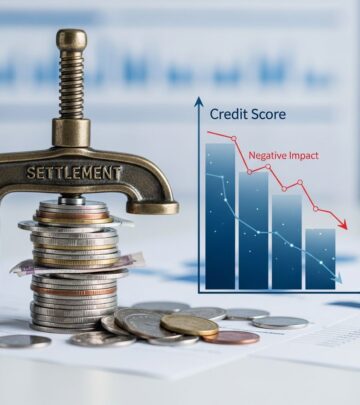
Settlements drop scores by 100+ points due to delinquencies and “settled” notations, lingering 7 years.
Recovery strategies:
- Secure utilization below 30% on remaining cards.
- Rebuild with secured cards post-settlement.
- Monitor reports via AnnualCreditReport.com.
Scores rebound within 12-24 months with positive habits.
Alternatives if Settlement Fails
Not all creditors settle. Consider:
- Debt management plans: Consolidated payments via nonprofits.
- Bankruptcy: Last resort for overwhelming debt.
- Hardship forbearance: Temporary relief from original issuers.
Frequently Asked Questions
Can I settle multiple cards at once?
Yes, prioritize high-interest or smallest balances. Direct payments explicitly.
Will settlements trigger tax bills?
Forgiven amounts over $600 may be taxable as income; consult IRS guidelines.
Is DIY safer than companies?
Often yes, avoiding scams and fees while retaining control.
How much should I offer initially?
30-50% of balance, based on your savings and debt age.
What if the collector refuses?
Wait for debt sale or explore alternatives; persistence pays.
Building Long-Term Financial Stability
Post-settlement, adopt preventive measures: emergency funds covering 3-6 months expenses, diversified income, and automated savings. Track progress quarterly to avoid recurrence.
Free counseling from HUD-approved agencies provides unbiased advice.
References
- How do I negotiate a settlement with a debt collector? — Consumer Financial Protection Bureau. 2023-10-01. https://www.consumerfinance.gov/ask-cfpb/how-do-i-negotiate-a-settlement-with-a-debt-collector-en-1447/
- 4 Steps to Take to Learn about Debt Settlement — GreenPath Financial Wellness. 2024-05-15. https://www.greenpath.com/blog/debt-settlement/
- DIY Debt Settlement: Steps & What You Need to Know — Debt.org. 2025-01-20. https://www.debt.org/settlement/diy-debt-settlement/
- What to Expect with Debt Settlement — Money Management International. 2024-08-10. https://www.moneymanagement.org/blog/what-to-expect-with-debt-settlement
- What Is Debt Settlement And How Does It Work? — Bankrate. 2025-02-01. https://www.bankrate.com/personal-finance/debt/what-is-debt-settlement/
- How To Get Out of Debt — Federal Trade Commission. 2024-11-12. https://consumer.ftc.gov/articles/how-get-out-debt
Similar Articles








Read full bio of medha deb