These 7 DIY Car Maintenance Tasks Will Save You Money
Master these 7 simple DIY car maintenance tasks to slash repair bills and keep your vehicle running smoothly without pricey mechanic visits.
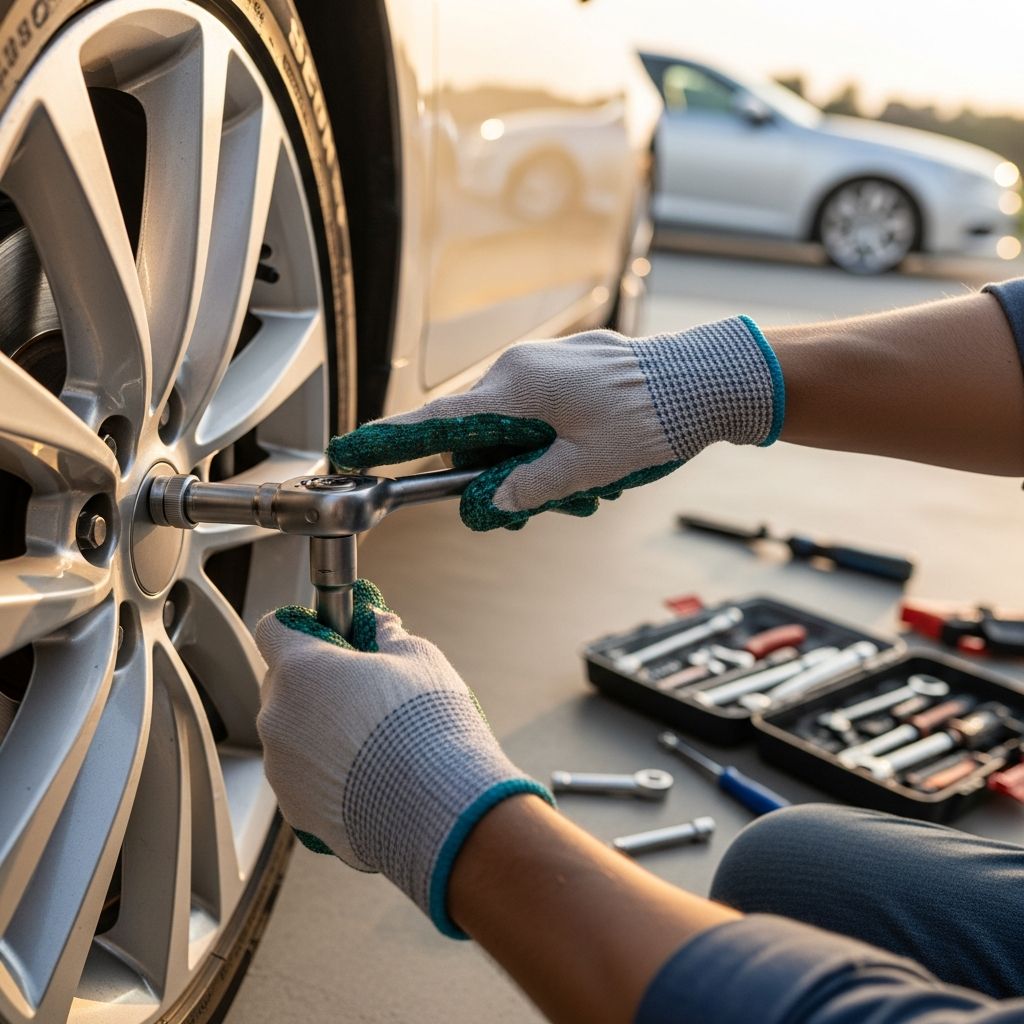
Owning a car comes with ongoing expenses, but tackling basic maintenance yourself can significantly cut costs. Professional services often charge $35 to $250 or more per task due to labor fees, while DIY versions cost just the price of parts—typically $2 to $50. With minimal tools like a socket wrench set, drain pan, pressure gauge, and basic fluids, most drivers can handle these jobs safely at home. This guide covers seven proven DIY tasks, complete with step-by-step instructions, cost comparisons, safety tips, and why they matter for your vehicle’s longevity and fuel efficiency.
Regular upkeep prevents minor issues from escalating into expensive repairs. For instance, neglecting oil changes can damage engines, costing thousands, while simple checks maintain performance. Always consult your owner’s manual for model-specific details, work in a well-ventilated area, and wear safety gear like gloves and eye protection. If you’re new to DIY, watch free tutorials from reputable sources before starting.
Essential Tools for DIY Car Maintenance
Before diving in, gather these basics to handle all seven tasks efficiently:
- Socket wrench set and ratchet
- Oil filter wrench
- Drain pan and funnel
- Tire pressure gauge
- Spark plug socket and gap tool
- Jack and jack stands (for safe under-car access)
- Gloves, rags, and safety glasses
These tools cost under $100 total and pay for themselves after a few jobs. Store them in a dedicated kit for quick access.
1. Changing Your Oil
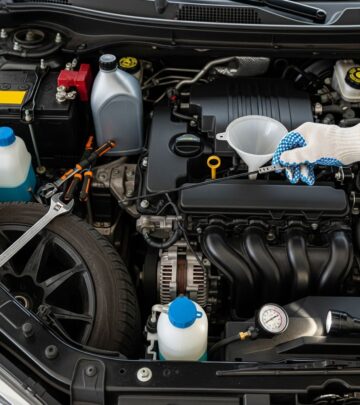
Oil lubricates your engine, reducing friction and heat. Fresh oil every 3,000 to 5,000 miles (or per manual) prevents sludge buildup and extends engine life. Skipping shop visits saves $10 to $50 per change.
DIY Steps:
- Park on level ground, warm engine briefly, then shut off.
- Jack up front if needed; place drain pan under oil pan.
- Unscrew drain plug with wrench; let oil drain fully (10-15 minutes).
- Replace crush washer if worn; tighten plug.
- Use filter wrench to remove old filter; lubricate new one’s gasket with fresh oil, hand-tighten plus quarter-turn.
- Lower car; add 4-6 quarts new oil via filler cap; check dipstick level.
- Run engine 1 minute; recheck and top off.
DIY Cost: $25-$50 (oil + filter)
Service Center Cost: $35-$75
Safety note: Hot oil burns—let it cool slightly. Dispose of used oil at auto parts stores for free recycling.
2. Replacing Spark Plugs
Spark plugs ignite fuel-air mixture for combustion. Worn ones cause misfires, poor acceleration, and higher emissions. Replace every 30,000-100,000 miles based on type (copper, platinum, iridium).
DIY Steps:
- Locate plugs (usually under coil packs); note wire positions or label.
- Disconnect one wire at a time; remove coil/boot.
- Use spark plug socket to loosen old plug counterclockwise.
- Check gap on new plug (manual spec, e.g., 0.044 inches); adjust if needed.
- Thread in by hand, torque to spec (13-20 ft-lbs); reinstall coil.
- Repeat; clear codes if check engine light appears.
DIY Cost: $2-$10 per plug (4-8 total)
Service Center Cost: $100-$250
Pro tip: Never mix old/new plugs; inspect wires/boots for cracks. Improves MPG by 1-4%.
3. Putting In a New Battery
Batteries last 3-5 years; signs of failure include slow cranks or dim lights. DIY swap avoids $50+ labor markups.
DIY Steps:
- Turn off ignition; locate battery (engine bay or trunk).
- Disconnect negative (-) terminal first (black cable) to avoid sparks.
- Disconnect positive (+) (red); remove hold-down clamp.
- Lift out old battery (30-60 lbs); clean tray/corrosion with baking soda/water.
- Place new battery; reverse connections (+ first, then -).
- Tighten securely; test start.
DIY Cost: $80-$400 (standard to AGM)
Service Center Cost: Battery + $50-$100 labor
Warning: Sparks normal but recycle old battery properly—stores offer core credits.
4. Checking Your Fluid Levels
Fluids like engine oil, transmission, brake, power steering, coolant, and wiper keep systems hydraulic and cooled. Monthly checks prevent breakdowns.
How to Check:
- Oil: Dipstick—pull, wipe, reinsert, read level/color.
- Coolant: Reservoir when cold; pink/green levels between marks.
- Transmission/Brake/Power Steering: Dipsticks/reservoirs; use correct fluid type.
- Wiper: Reservoir fill line.
Top off with matching fluid; full flush if dirty. DIY Cost: Fluid price (~$5-$20/quart)
Service Center: Fluids + labor
Avoid opening radiator cap hot—steam burns risk.
5. Flushing the Radiator
Coolant prevents overheating/corrosion; flush every 30,000 miles or 2 years. Stale coolant reduces efficiency, risking $1,000+ engine damage.
DIY Steps:
- Cool engine fully; drain radiator/petcock into pan.
- Flush with water or solution; run heater-full hot.
- Close; fill 50/50 coolant-distilled water mix for your climate.
- Run engine 10 minutes with cap off (monitor temp); top off; cap on.
- Recheck after drive.
DIY Cost: ~$50
Service Center Cost: ~$200
Use pet-friendly antifreeze; pressure-test if leaks suspected.
6. Replacing Your Air Filter
Air filters trap dirt; clogged ones choke engine, dropping MPG 10%+. Check/replace every 12,000 miles or annually.
DIY Steps:
- Open hood; find airbox (black plastic near throttle body).
- Unclip latches; lift lid.
- Remove old filter; inspect for tears.
- Drop in new (same size/orientation); close securely.
DIY Cost: $10-$30
Easy 5-minute job; cleanable reusables save more long-term.
7. Maintaining Tire Pressure
Proper PSI (door jamb sticker) boosts MPG 0.2-3%, improves handling, extends tire life 10,000+ miles. Check monthly.
DIY Steps:
- Check cold tires with gauge.
- Remove valve cap; press gauge firmly.
- Add air free at stations if low; don’t overinflate.
- Recheck after driving 1 mile.
DIY Cost: Free-$2 air
Underinflation costs $100+/year in fuel. Rotate tires every 6,000 miles for even wear.
Cost Savings Comparison
| Task | DIY Cost | Shop Cost | Annual Savings (4x/year) |
|---|---|---|---|
| Oil Change | $25-50 | $35-75 | $40-100 |
| Spark Plugs | $10-80 | $100-250 | $90-340 |
| Battery | $80-400 | $130-500 | $50-100 |
| Fluid Checks | $20-50 | $50-100 | $120-200 |
| Radiator Flush | $50 | $200 | $150 |
| Air Filter | $10-30 | $40-80 | $40-200 |
| Tire Pressure | $0 | $20-50 | $80-200 |
| Total | $195-660 | $575-1,255 | $570-1,290 |
DIY saves $500-$1,000 yearly for average drivers.
Tips for DIY Success and Safety
- Follow torque specs to avoid stripping.
- Buy quality parts (OEM or brands like Mobil 1, NGK).
- Track maintenance in an app/logbook.
- Know limits—brakes/suspension need pros.
- Winter prep: Full fluids, battery test.
Build confidence starting simple (tires, filters) before oil/spark plugs.
Frequently Asked Questions (FAQs)
Q: How often should I do these DIY tasks?
A: Oil/spark plugs per manual (3k-100k miles); fluids/tires monthly; filters annually.
Q: Can beginners do oil changes?
A: Yes, with videos/tools; mess contained by pan. Practice on driveway.
Q: What’s the biggest savings?
A: Spark plugs/radiator flush—up to 80% less.
Q: Do DIY void warranties?
A: No, if using approved parts/following schedule.
Q: Tools worth it?
A: Pay off in 2-3 jobs; borrow starter set.
References
- These 7 DIY Car Maintenance Tasks Will Save You Money — The Penny Hoarder. 2024. https://www.thepennyhoarder.com/save-money/diy-car-maintenance/
- The Cheapest (and Most Expensive) Cars to Maintain, Ranked — The Penny Hoarder. 2024. https://www.thepennyhoarder.com/save-money/cheapest-car-to-maintain/
- 5 DIY car maintenance items you can do — and some you shouldn’t — YouTube (Engineering Explained). 2023-10-15. https://www.youtube.com/watch?v=HNpvs4Y87x0
- Learn DIY Auto Repair Skills by Watching Free Videos Online — The Penny Hoarder. 2024. https://www.thepennyhoarder.com/save-money/diy-auto-repair/
- I Wish I Knew THIS About DIY Car Maintenance 20 Years Ago! — YouTube. 2024. https://www.youtube.com/watch?v=8oyiTFtoyB8
Similar Articles








Read full bio of medha deb