Divorce And Credit Scores: 5 Steps To Rebuild Credit
Discover how divorce indirectly affects your credit, strategies to protect it, and steps to rebuild for a stronger financial future post-separation.
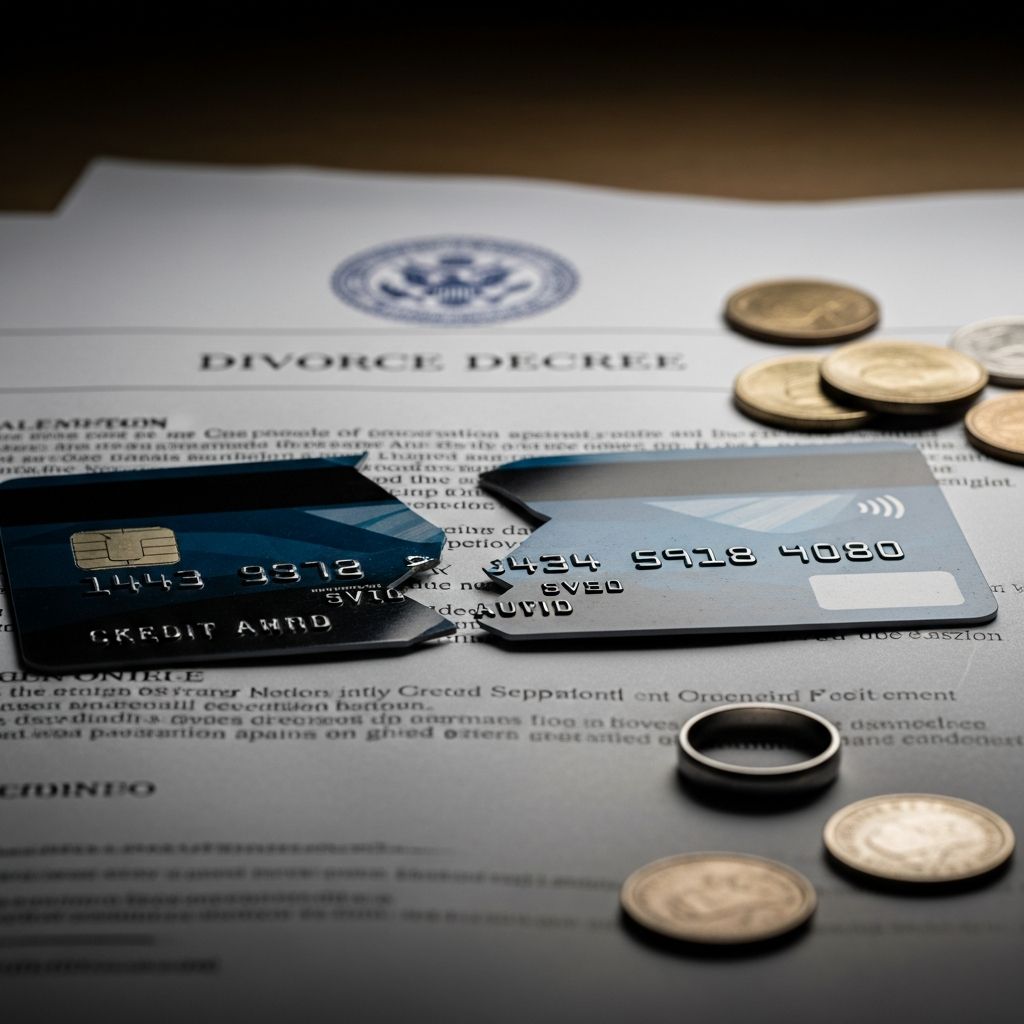
Ending a marriage triggers numerous changes, including potential ripples in your financial profile. While the legal dissolution itself carries no weight in credit scoring models, the associated upheavals—like splitting assets, managing shared obligations, and adapting to new income realities—can indirectly compromise your credit standing. Understanding these dynamics empowers individuals to shield their financial health amid emotional strain.
Why Divorce Doesn’t Directly Alter Credit Reports
Credit bureaus such as Equifax, Experian, and TransUnion base scores on payment history, credit utilization, length of credit history, types of credit, and recent inquiries. Marital status remains absent from these calculations, meaning a court-issued decree won’t register on your report.
However, the procedural and behavioral shifts during separation often lead to score fluctuations. For instance, overlooked bills or unresolved joint liabilities can manifest as delinquencies, which weigh heavily—comprising about 35% of FICO scores.
Key Ways Divorce Indirectly Influences Credit Health
Several mechanisms link divorce proceedings to credit vulnerabilities. Recognizing them early allows for proactive measures.
Persistent Liability on Joint Accounts
Joint credit cards, loans, or mortgages list both spouses as equally accountable. Even if a judge assigns responsibility to one party, creditors disregard court orders and pursue both for defaults.
Your ex-spouse’s late payments or new charges post-separation will blemish your record until the account closes or your name is excised via creditor approval—a process not guaranteed.
Shifts in Household Income and Expenses
Transitioning from dual to single income frequently strains budgets. Child support, alimony, or asset division may redirect funds, heightening default risks on personal debts.
Higher living costs for separate households exacerbate this, with studies noting average post-divorce expenses rise 30-50% per person due to duplicated fixed costs like housing and utilities.
Disruptions from Account Adjustments
- Closures and Openings: Shutting joint accounts shortens credit history average and spikes utilization if balances persist, potentially dropping scores 20-100 points temporarily.
- Credit Limit Reductions: Issuers may slash limits upon removing a co-holder, worsening utilization ratios—ideally kept under 30%.
- New Individual Credit: Applications trigger hard inquiries, minor dings lasting up to two years.
Proactive Strategies to Safeguard Credit During Divorce
Integrating financial planning into legal proceedings minimizes damage. Consult divorce attorneys and financial advisors versed in these intersections.
| Risk Factor | Protective Action | Expected Benefit |
|---|---|---|
| Joint Debts | Refinance or pay off before finalizing; obtain creditor releases | Eliminates shared liability |
| Payment Oversight | Automate payments; monitor via alerts | Prevents delinquencies |
| Income Drop | Create post-divorce budget; seek support modifications | Maintains affordability |
| Utilization Spike | Pay down balances; avoid new debt | Boosts score quickly |
Prioritize high-interest debts and document all agreements meticulously. Freezing joint accounts prevents unauthorized use while negotiations proceed.
Legal and Financial Coordination Essentials
In equitable distribution states, courts divide marital property fairly, but this doesn’t bind lenders. Explicitly address credit in settlement terms, requesting spousal cooperation on closures.
Post-decree, if ex-partner defaults on assigned debt, dispute inaccuracies with bureaus using decree copies—though success varies without creditor consent.
Rebuilding Credit After Divorce Finalization
Recovery timelines vary: minor hits resolve in months with discipline; severe delinquencies linger seven years. Consistent habits yield gains—scores often rise 100+ points in 12-18 months.
- Prioritize Payments: 35% score weight; set reminders or autopay.
- Optimize Utilization: Target <30%; request limit increases on solo accounts.
- Diversify Wisely: Add secured cards or credit-builder loans after stabilization.
- Regular Monitoring: Pull free weekly reports from AnnualCreditReport.com.
- Counseling: Nonprofit agencies like NFCC offer tailored plans.
Secured cards require deposits matching limits, reporting activity sans risk, ideal for thin files post-separation.
Common Financial Pitfalls and Avoidance Tips
- Assuming decree protects you—always notify creditors independently.
- Ignoring tax shifts—post-divorce filing status alters withholdings, impacting cash flow.
- Rushing new credit—wait until stable to avoid denials compounding inquiries.
- Overlooking benefits—divorce can sever ties to poor financial habits, enabling fresh starts.
Long-Term Financial Resilience Post-Divorce
Beyond immediate fixes, cultivate habits like emergency funds covering 3-6 months expenses and diversified savings. Track net worth quarterly to gauge progress.
Women often face steeper drops due to income disparities; targeted support via programs like Women’s Financial Empowerment aids recovery.
Frequently Asked Questions
Does my credit score change immediately after divorce?
No, but monitor for indirect effects like missed joint payments.
Can I remove my name from a joint account unilaterally?
No; requires creditor approval and ex-spouse consent.
How long do divorce-related credit dings last?
Late payments: up to 7 years; inquiries: 2 years.
Is divorce credit counseling free?
Nonprofits offer low/no-cost services; avoid for-profit debt settlement.
Can divorce improve my credit?
Yes, by eliminating exposure to ex’s mismanagement and fostering independent habits.
References
- How to Manage Your Credit During a Divorce — Experian. 2023-10-15. https://www.experian.com/blogs/ask-experian/credit-education/life-events/divorce-and-credit/
- Can a Divorce Affect My Credit Score? — Goostree Law Group. 2024-05-20. https://www.familydivorcelaw.com/kane-county-divorce-attorney/can-a-divorce-affect-my-credit-score
- Will a Divorce Impact My Credit Score? — LawCL. 2023-08-12. https://www.lawcl.com/will-a-divorce-impact-my-credit-score/
- How Does Divorce Affect Your Credit Score and Financial Stability? — Hecht Family Law. 2024-02-28. https://www.hechtfamilylaw.com/blog/how-does-divorce-affect-your-credit-score-and-financial-stability/
- Can Divorce Affect Your Credit Score? — Ciancio Ciancio Brown, P.C. 2023-11-05. https://www.colo-law.com/can-divorce-affect-your-credit-score/
- You Ask, Equifax Answers: How Will a Divorce Affect My Credit? — Equifax. 2024-01-10. https://www.equifax.com/personal/education/life-stages/articles/-/learn/impact-of-divorce-on-credit/
Similar Articles








Read full bio of medha deb