Essential Guide to Distinguishing Expenses in Personal Finance
Master the art of categorizing your spending to achieve lasting financial stability.

Creating a sustainable financial plan begins with understanding where your money goes each month. One of the most fundamental skills in personal finance involves categorizing your spending into two distinct categories: those expenses you cannot avoid and those that enhance your lifestyle. This distinction forms the foundation of effective budgeting and serves as your roadmap to financial stability.
Understanding the Two Primary Categories of Spending
Your monthly expenses fall into two broad categories that shape your entire financial picture. The first category encompasses items and services that are absolutely essential for your survival and basic functioning. These are the expenses that, without them, would create serious disruptions to your daily life or physical well-being. The second category includes everything else—the items, services, and experiences that improve your quality of life but are not required for basic survival.
The importance of distinguishing between these categories cannot be overstated. Essential expenses form the foundation of your budget, while discretionary spending represents the flexibility you have in allocating remaining income. Understanding this difference prevents you from overspending on non-essential items while neglecting critical obligations.
Essential Expenses: The Non-Negotiable Foundation
Essential expenses are costs necessary for maintaining your basic standard of living and physical health. These represent the financial commitments you must honor regardless of your financial situation. Without adequate allocation to these expenses, you risk serious consequences including damaged credit, disconnected utilities, or housing instability.
Common examples of essential expenses include:
- Housing costs (rent, mortgage payments, property taxes, home insurance)
- Utility bills (electricity, water, gas, internet for essential communication)
- Groceries and basic food items
- Transportation costs (vehicle payment, fuel, public transit passes)
- Health insurance and medical care
- Minimum debt repayment obligations
The defining characteristic of essential expenses is their impact on your life without them. If lacking a particular expense would create significant disruption to your daily functioning or pose health risks, it qualifies as essential.
Discretionary Spending: The Lifestyle Enhancement Component
Beyond the essentials lies a vast category of spending that directly reflects your personal preferences and lifestyle choices. These expenses represent opportunities to enjoy life’s pleasures while maintaining financial stability. Unlike essential expenses, discretionary spending varies greatly from person to person based on individual values and priorities.
Typical examples of discretionary expenses include:
- Streaming entertainment services and subscriptions
- Dining out and restaurant meals (beyond basic nutrition needs)
- Travel and vacation experiences
- Hobby equipment and recreational activities
- Luxury or premium purchases (designer clothing, high-end electronics)
- Personal care services (spa treatments, premium gym memberships)
- Gifts and charitable donations beyond personal capacity
Discretionary expenses offer the greatest flexibility in your budget. This is the category where you have the most control over your spending patterns and where adjustments become necessary when financial goals require attention.
The Gray Area: When Categorization Becomes Complex
While many expenses clearly fit into one category or the other, certain purchases exist in a gray area requiring thoughtful consideration. The context of your life and circumstances often determines the proper classification.
Context-Dependent Classifications
Consider the example of water consumption. Basic water for drinking and hygiene represents an essential expense. However, premium bottled water or sparkling water options enter the discretionary realm. Similarly, a vehicle might be essential for someone commuting from a distant suburb but discretionary for an urban resident with reliable public transportation options.
Clothing demonstrates this principle clearly. Basic clothing required for weather protection and appropriate workplace attire qualifies as essential. Designer clothing, fashion-forward purchases, or multiple outfits for specific occasions typically fall into discretionary spending.
Internet service provides another example. In today’s world, internet connectivity is often essential for work and communication. However, premium high-speed plans or multiple streaming services bundled with internet represent discretionary upgrades.
Evaluating Consequences: Your Decision Framework
When facing uncertainty about an expense’s classification, consider the consequences of elimination. Ask yourself: If I did not make this purchase, would it significantly impact my daily function or health? Would it create substantial inconvenience, or merely minor frustration?
If the absence would create serious problems in your life—affecting your ability to work, maintain shelter, or preserve health—it likely qualifies as essential. If the consequence would be limited to reduced pleasure or minor inconvenience, you have identified a discretionary expense.
Building Your Personalized Expense Analysis
Creating an effective budget begins with thoroughly examining your current spending patterns. This analysis provides crucial insight into how your money currently flows and where adjustments may be necessary.
Steps for Categorizing Your Current Expenses
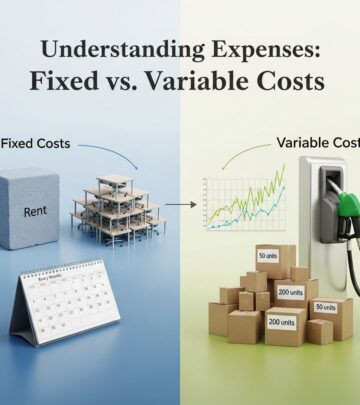
Begin by listing all expenses you’ve paid during the past month. Include fixed expenses (those that remain constant) and variable expenses (those that fluctuate). For each item, determine whether it represents an essential or discretionary expense based on the framework discussed above. This exercise often reveals surprising patterns in spending allocation.
Calculate the total for each category. Many people discover they allocate significantly more resources to discretionary spending than they realized. This awareness becomes the catalyst for meaningful change.
The 50/30/20 Framework: A Proven Allocation Model
Financial experts have developed a widely-used framework that provides a straightforward approach to budget allocation. This model suggests dividing your monthly take-home income into three distinct portions based on percentages.
How the Model Breaks Down
The framework allocates 50 percent of monthly income toward essential expenses, ensuring your foundational needs receive priority. Thirty percent goes toward discretionary spending, allowing for lifestyle enhancement and personal enjoyment. Twenty percent supports savings and debt reduction, building your financial future and reducing financial obligations.
This allocation acknowledges an important truth: you need not eliminate all discretionary spending to achieve financial health. Instead, maintaining balance between categories creates a sustainable approach that most people can maintain long-term.
Practical Application Example
Consider someone with a monthly take-home income of $3,000. Using this framework:
| Category | Percentage | Monthly Amount |
|---|---|---|
| Essential Expenses | 50% | $1,500 |
| Discretionary Spending | 30% | $900 |
| Savings & Debt Repayment | 20% | $600 |
This allocation ensures all essential needs are met while still permitting $900 for personal enjoyment and preferences. Simultaneously, $600 monthly builds financial security through savings and reduces outstanding debt obligations.
Strategies for Effective Budget Prioritization
Prioritizing Essential Expenses First
Your budgeting process should always begin with allocating sufficient funds for essential expenses. These represent non-negotiable obligations. Failing to prioritize essentials creates serious consequences including missed payments, damaged credit, utility disconnections, or housing loss. Only after securing essential expense coverage should you allocate remaining income to other categories.
Strategic Discretionary Spending Allocation
After securing essential expenses, examine your financial goals before determining discretionary spending allocation. If you’re simultaneously working toward building an emergency fund, paying off credit card debt, or saving for a major purchase, you may need to reduce discretionary spending below the standard percentage. This doesn’t mean completely eliminating such spending, but rather finding a sustainable balance that addresses both immediate goals and long-term financial health.
Many people find that modest discretionary spending maintains their budget commitment better than complete restriction. Finding a middle ground—reducing rather than eliminating discretionary expenses—creates an approach you can maintain consistently.
Adjusting the Model to Your Unique Circumstances
While the 50/30/20 framework provides a valuable starting point, your individual situation may require modifications. People beginning their financial journey, facing unexpected expenses, or living in high-cost areas often need different allocations.
When Standard Allocation Doesn’t Fit
Someone with significant student loan debt may need to allocate more than 20 percent to debt repayment temporarily. A person facing health challenges may require higher essential expense allocation due to medical costs. Urban residents in expensive markets often find 50 percent insufficient for housing and transportation essentials.
The framework should serve as a flexible guide rather than a rigid requirement. Your budget should reflect your actual circumstances while maintaining the underlying principle: prioritize essentials, allow reasonable discretionary spending, and dedicate resources to financial improvement.
Alternative Budgeting Approaches
The Reverse Budget Method
Some people find greater success with an alternative approach that prioritizes savings first rather than last. With this method, you first allocate resources to savings and debt reduction goals, then distribute remaining income between essential and discretionary expenses. This approach proves particularly effective for people whose primary financial goal involves building substantial savings.
This method works well for those struggling with impulse spending or those with strong savings objectives. By removing savings allocation before discretionary funds become available, you ensure financial goals receive protection.
Frequently Asked Questions
What happens if my essential expenses exceed 50 percent of income?
Living in high-cost areas or facing specific circumstances often means essential expenses consume more than 50 percent of income. In such cases, adjust the framework to reflect reality. Perhaps allocate 60 percent to essentials and 20 percent to savings, with 20 percent for discretionary spending. The key principle remains: prioritize essentials and savings while allowing some discretionary flexibility.
Should I eliminate all discretionary spending to save more money?
Completely eliminating discretionary spending typically backfires. Overly restrictive budgets often lead to abandonment of the entire plan. Maintaining modest discretionary spending creates a sustainable approach you can follow long-term. A budget that remains realistic and maintains some pleasure is infinitely better than a perfect budget you abandon after a few weeks.
How often should I review my expense categorization?
Review your budget quarterly or whenever major life changes occur. Job changes, relationship status changes, housing moves, or new health situations all merit budget reconsideration. Your categorizations should evolve as your circumstances change.
Is eating out ever essential rather than discretionary?
Generally, eating out represents discretionary spending since cooking at home provides proper nutrition. However, specific circumstances might change this classification. Someone without kitchen access or facing severe time constraints might classify occasional eating out as essential. Apply your judgment based on your unique situation.
Moving Forward: Implementing Your Expense Strategy
Understanding the distinction between essential and discretionary expenses represents a crucial first step toward financial health. Taking action transforms this knowledge into real results. Begin by examining your current spending patterns, honestly categorizing each expense, and comparing your allocation against recommended frameworks.
Identify any areas where discretionary spending significantly exceeds your target allocation. Look for opportunities to redirect funds without creating unrealistic deprivation. Remember that effective budgeting balances discipline with sustainability. The best budget is one you can maintain consistently, not one that feels impossible to follow.
Your financial journey improves through deliberate choices about where your money flows. By consciously deciding how much to allocate to essentials, discretionary spending, and financial improvement, you take control of your financial destiny. This awareness and intentionality represent the foundation upon which lasting financial health is built.
References
- Budgeting for Needs vs. Wants — Experian. Accessed March 2026. https://www.experian.com/blogs/ask-experian/budgeting-needs-vs-wants/
- How to budget for needs and wants — and know the difference — UBT Learning Center. Accessed March 2026. https://www.ubt.com/learning-center/blogs/how-budget-needs-and-wants-and-know-difference
- Budgeting for Wants and Needs — Compass Community Credit Union. Accessed March 2026. https://compassccu.org/budgeting-for-both-wants-and-needs/
- Needs vs. Wants: How to Budget for Both — NerdWallet. Accessed March 2026. https://www.nerdwallet.com/finance/learn/financial-needs-versus-wants
- Types of Spending: Sorting Your Budget Into Needs, Wants & Wishes — Thrivent. Accessed March 2026. https://www.thrivent.com/insights/budgeting-saving/categories-of-spending-understanding-needs-wants-and-wishes
Similar Articles








Read full bio of medha deb