Disputing Errors on Your Credit Report
Learn when and how to challenge inaccuracies on your credit report to protect your financial health and improve your scores effectively.

Your credit report serves as a financial snapshot that lenders, employers, and others use to evaluate your reliability. Errors within it can unfairly lower your scores, block loan approvals, or raise insurance rates. Knowing precisely when to initiate a dispute empowers you to reclaim accuracy and safeguard your economic opportunities.
Recognizing Common Credit Report Mistakes
Credit reports from agencies like Experian, Equifax, and TransUnion compile data from creditors, public records, and other sources. Inaccuracies arise from data entry mistakes, identity theft, or outdated details. Spotting these issues early prevents long-term damage.
- Incorrect personal details: Wrong names, addresses, Social Security numbers, or birth dates can signal fraud or simple errors.
- Fraudulent accounts: Listings for loans or credit cards you never opened, often due to identity theft.
- Payment history flaws: Late payments or delinquencies you paid on time, or accounts marked as open when closed.
- Balance discrepancies: Higher-than-actual owed amounts or closed accounts still showing balances.
- Outdated negative items: Bankruptcies over 10 years old, late payments over 7 years, or collections past statutes of limitations.
Regular reviews reveal these problems. Federal law mandates free weekly reports from AnnualCreditReport.com, allowing proactive checks without cost.
Ideal Moments to Launch a Dispute
Timing matters in disputes. Act promptly upon discovery to minimize score impacts, especially before major financial moves like home buying or job applications.
| Situation | Why Dispute Now | Potential Impact |
|---|---|---|
| Pre-loan application | Avoids rejection due to false negatives | Higher approval odds, better rates |
| Identity theft suspicion | Quick removal blocks further harm | Stops fraudulent activity spread |
| Score drop without cause | Restores accurate FICO/VantageScore | Preserves borrowing power |
| Annual review findings | Catches subtle errors early | Prevents escalation |
Dispute immediately if errors appear verifiable as wrong. Hesitation allows prolonged negative effects on your profile.
Step-by-Step Guide to Filing Effective Disputes
The Fair Credit Reporting Act (FCRA) outlines consumer rights, requiring bureaus to investigate within 30 days. Follow these structured steps for optimal results.
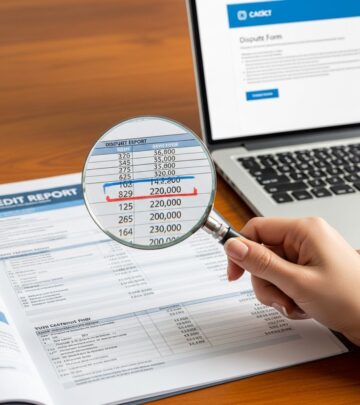
- Obtain and scrutinize reports: Pull free reports from all three bureaus via AnnualCreditReport.com. Highlight discrepancies with markers.
- Gather proof: Collect bank statements, payment receipts, court documents, or ID copies proving inaccuracy. Never send originals.
- Draft dispute letters: Write clear, concise letters to each bureau and furnisher. Include your details, error descriptions, supporting evidence, and correction requests.
- Submit securely: Mail via certified mail with return receipt for proof. Avoid online portals if needing detailed attachments; they limit explanations.
- Monitor progress: Track 30-day timelines. Bureaus must forward disputes to furnishers and notify you of outcomes.
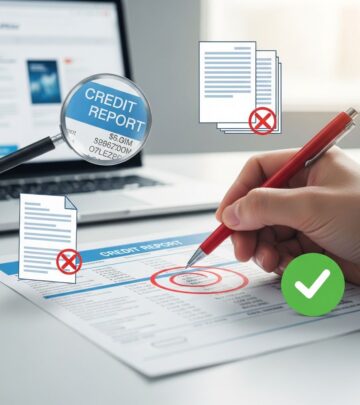
Sample letter structure: Identification info, circled report excerpts, error explanations, evidence list, investigation demand, and contact preferences.
Key Documents to Strengthen Your Claim
Evidence turns claims into corrections. Comprehensive packages compel investigations.
- Bank/credit card statements showing timely payments.
- Loan closure confirmations or zero-balance proofs.
- Divorce decrees for joint account separations.
- Government ID and utility bills for identity/address verification.
- Police reports or FTC identity theft affidavits for fraud.
Organize copies neatly, indexed for easy review. This professionalism accelerates resolutions.
Understanding Bureau and Furnisher Responsibilities
Under FCRA, credit bureaus must investigate diligently, sharing your full submission with data furnishers. They verify facts, update records, or delete unverifiable items. Furnishers investigate independently, notifying bureaus of findings. If deemed accurate, add your dispute statement to future reports.
Bureaus notify you within five days post-investigation, including updated reports if changes occur. Frivolous disputes prompt explanation letters without full probes.
Handling Unresolved or Denied Disputes
Not all disputes succeed initially. Persistent inaccuracies demand escalation.
- Re-dispute with new evidence: Submit fresh documents or clarifications.
- Add statements: Attach 100-word explanations to reports, visible to users.
- Contact CFPB: File complaints prompting supervised responses.
- Seek legal aid: Attorneys handle complex FCRA violations, potential lawsuits for non-compliance.
If furnishers ignore disputes, they must note contention on reports. Multiple bureau filings ensure comprehensive coverage.
Frequently Asked Questions
How long does a credit dispute take?
Up to 30 days, extendable with more info requests. Expect written results promptly after.
Can I dispute online?
Yes, but mail preferred for attachments and records. Online suits simple issues.
What if the error is on one bureau only?
Dispute that bureau and furnisher; check others to prevent spread.
Does disputing hurt my score?
Investigations are score-neutral; corrections often improve it.
Are old negatives disputable?
Yes, if beyond reporting periods (7-10 years), demand deletion.
Preventing Future Credit Report Issues
Proactive habits maintain accuracy. Freeze credit to block fraud, monitor via apps, and query furnishers directly for verifications. Annual audits catch drifts early.
Understanding FCRA empowers consumers. Bureaus and furnishers bear verification burdens; your role is evidence provision. Consistent vigilance yields pristine reports, unlocking optimal financial terms.
Impact of Successful Disputes on Your Finances
Corrected errors elevate scores, slashing interest on mortgages (e.g., 0.5% drop saves thousands) or auto loans. Employers view cleaner profiles favorably. Insurers offer lower premiums based on accurate histories. Cumulative effects compound wealth-building capacity.
Statistics show 1 in 5 reports contain errors affecting scores. Disputes resolve 40% materially, per FTC data. Invest time now for enduring gains.
References
- Disputing Errors on Your Credit Reports — Federal Trade Commission. 2023-10-01. https://consumer.ftc.gov/articles/disputing-errors-your-credit-reports
- How do I dispute an error on my credit report? — Consumer Financial Protection Bureau. 2024-05-15. https://www.consumerfinance.gov/ask-cfpb/how-do-i-dispute-an-error-on-my-credit-report-en-314/
- Dispute errors on your credit report — USAGov. 2025-01-10. https://www.usa.gov/credit-report-errors
- Filing a dispute — AnnualCreditReport.com. 2024-11-20. https://www.annualcreditreport.com/filingADispute.action
- Disputing Errors on Your Credit Reports (PDF) — Consumer Financial Protection Bureau. 2021-08-01. https://files.consumerfinance.gov/f/documents/cfpb_dispute-errors-credit-reports_handout_2021-08.pdf
Similar Articles








Read full bio of medha deb